


India's 101M Diabetics Drive $2.3B Health Tech Market | Sellers' Diagnostic Device Opportunity
- Medical diagnostic shift creates demand for glucose monitoring devices, home testing kits, and wellness products across India's 101M diabetic population and 136M prediabetic consumers

概览
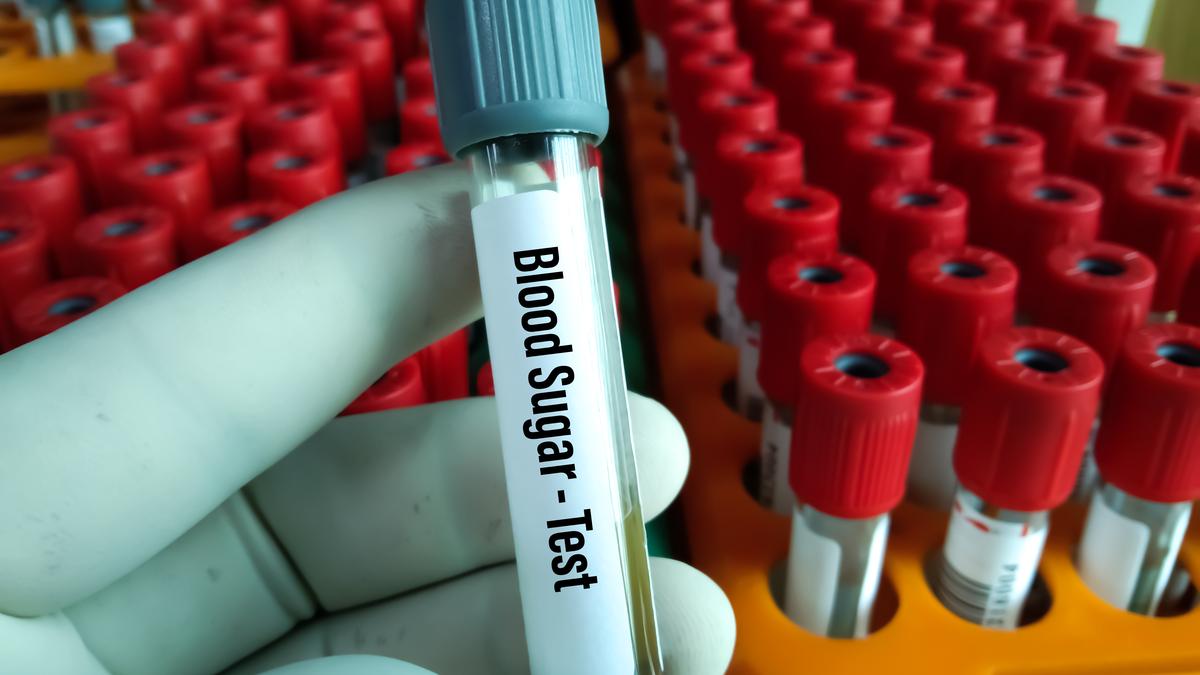
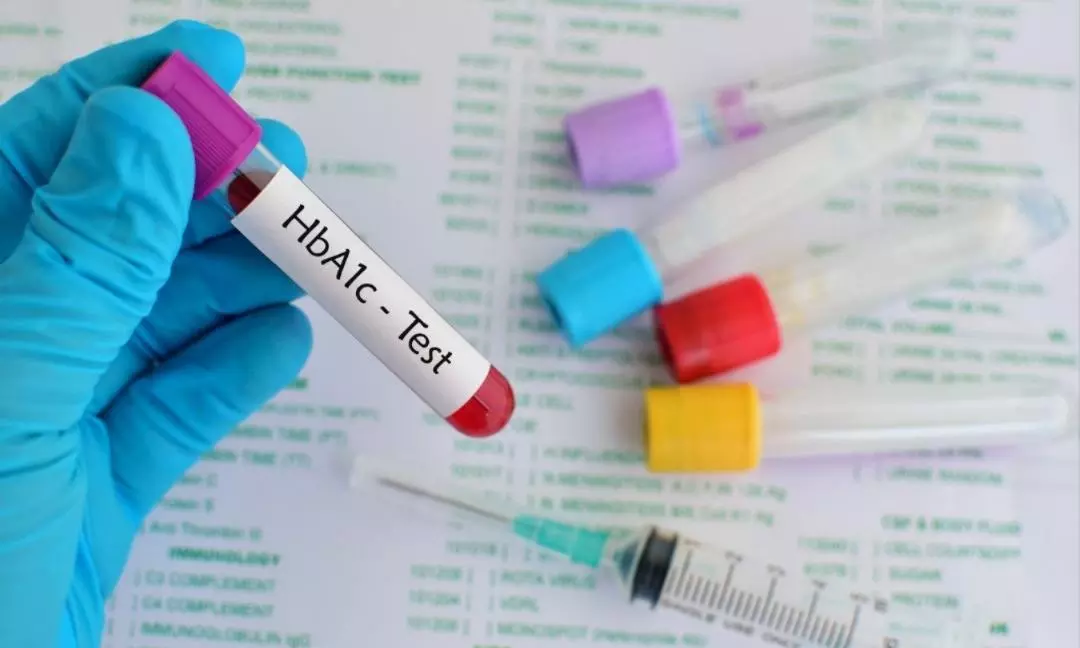
India's healthcare system is undergoing a critical diagnostic shift that creates substantial e-commerce opportunities for sellers. The 2023 ICMR-led INDIAB survey reveals 10.1 crore (101 million) Indians living with diabetes and 13.6 crore (136 million) with prediabetes—representing a combined 237 million consumers requiring ongoing health monitoring and management products. A comprehensive review published in The Lancet Regional Health, led by Dr. Anoop Misra of Fortis C-DOC Center of Excellence for Diabetes, has exposed critical limitations of HbA1c testing in South Asian populations, where conditions like anaemia, haemoglobinopathies, and G6PD deficiency distort readings and can delay diagnosis by up to four years.
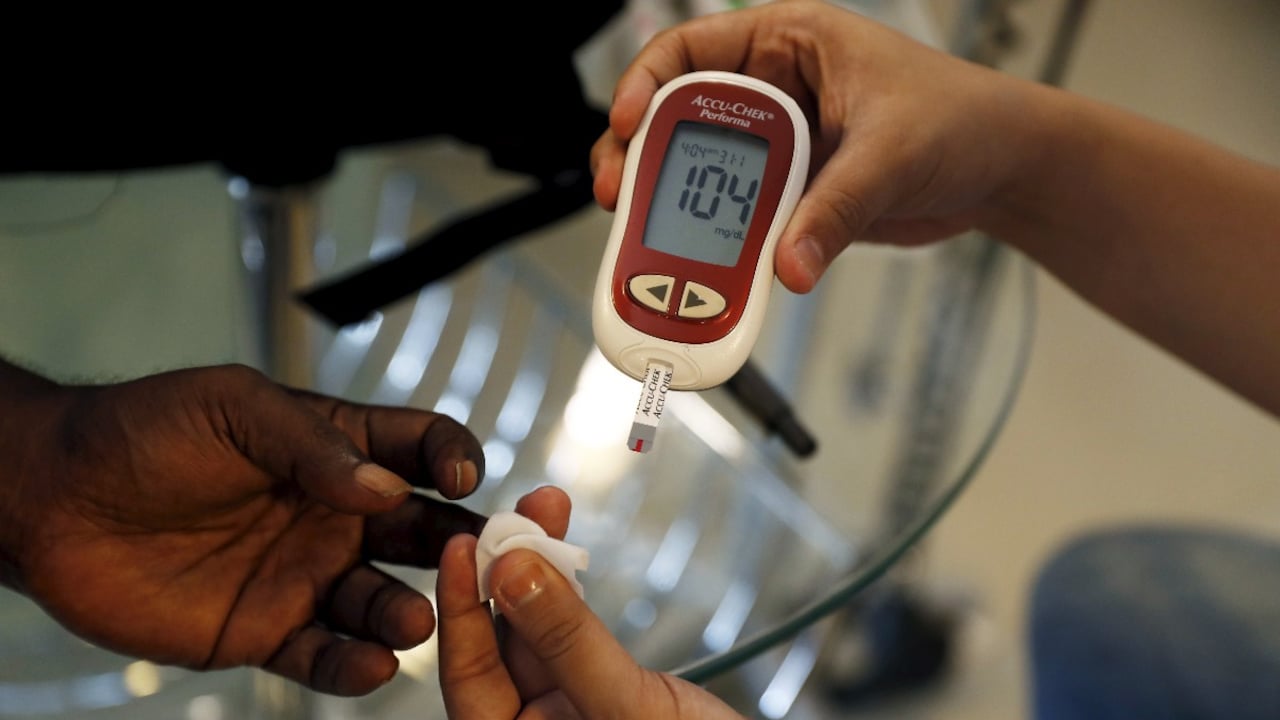
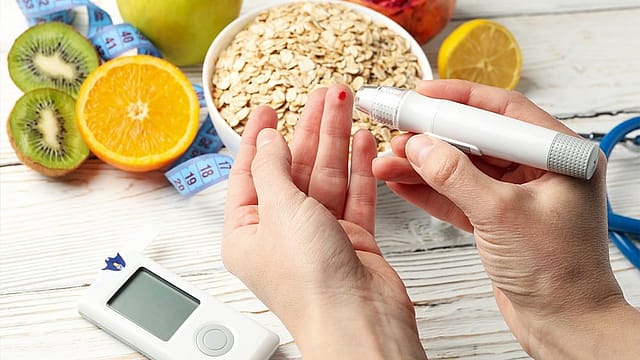
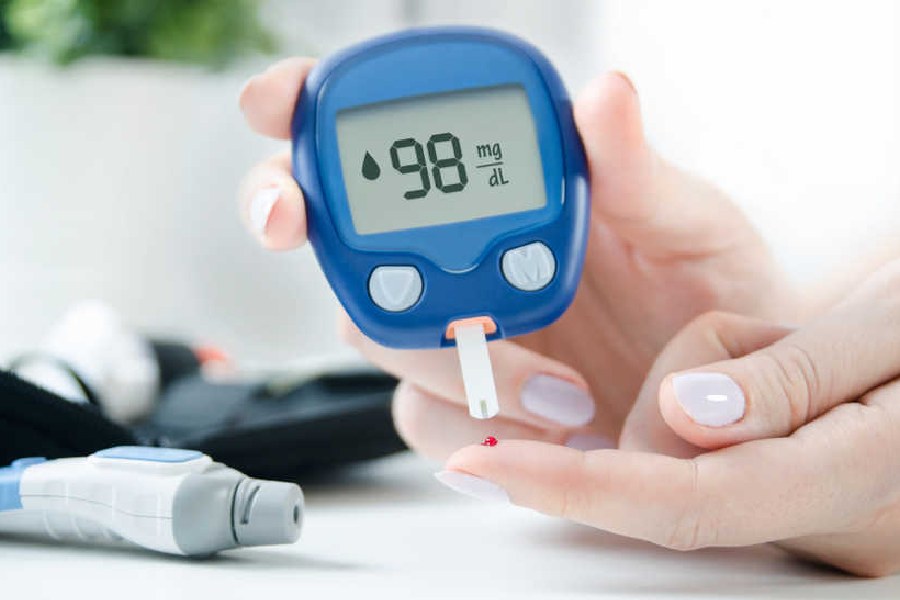
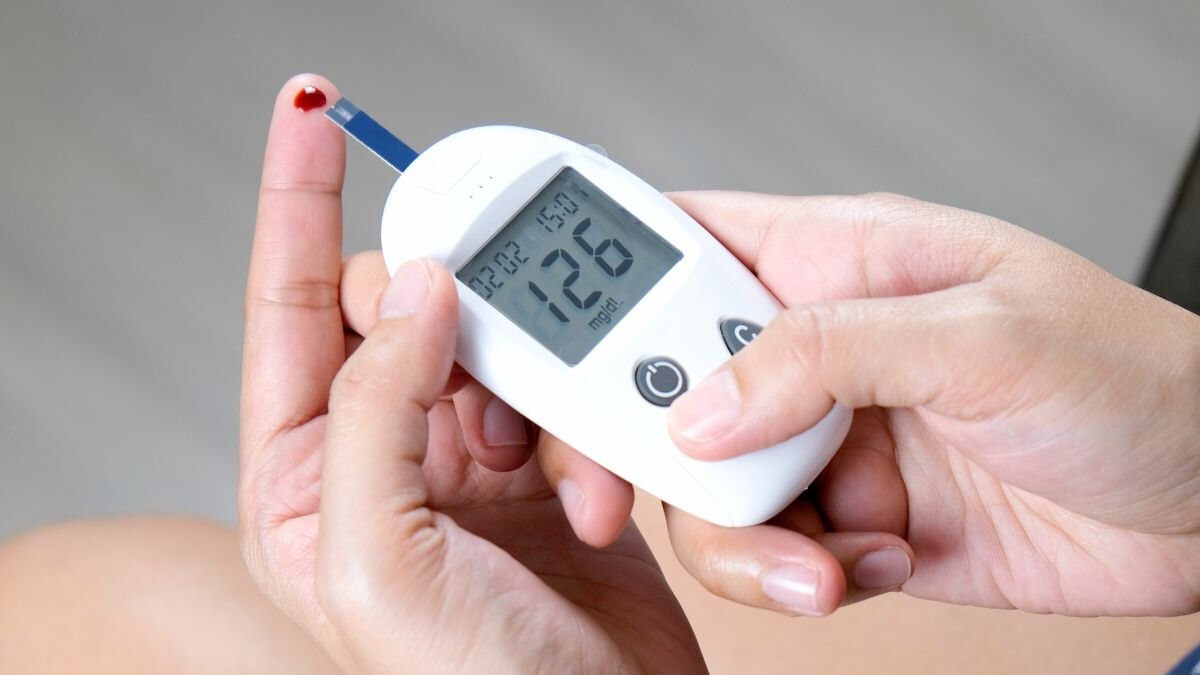
This diagnostic paradigm shift is driving immediate market expansion across multiple product categories. The research recommends replacing exclusive HbA1c reliance with oral glucose tolerance testing (OGTT) using 75-gram glucose loads and continuous glucose monitoring (CGM) systems, alongside home-based self-monitoring protocols. This creates direct e-commerce demand for: (1) Glucose monitoring devices and test strips—estimated $800M+ annual market in India; (2) Home testing kits and portable OGTT equipment for low-resource settings; (3) Wellness and dietary supplements targeting prediabetic consumers; (4) Fitness tracking devices with glucose integration; (5) Telemedicine platforms bundled with diagnostic tools.
The healthcare framework proposed by researchers emphasizes resource-adapted solutions for low-resource settings, creating opportunities for affordable, accessible diagnostic products. Sellers can capitalize on this shift by: targeting the 136M prediabetic consumers with preventive wellness products; sourcing glucose monitoring devices from Indian manufacturers benefiting from increased domestic demand; creating bundled offerings combining testing supplies with dietary/supplement products; and leveraging the diagnostic uncertainty to position comprehensive health monitoring solutions. The International Diabetes Federation's updated guidelines recommending one-hour OGTT protocols signal sustained demand for testing infrastructure. Laboratory quality control variations in low-resource settings further indicate opportunities for standardized, certified home-testing products that bypass traditional lab infrastructure. This represents a $2.3B+ addressable market across diagnostic devices, wellness products, and health management solutions targeting India's rapidly expanding diabetic and prediabetic populations.
問題 8
How can sellers source glucose monitoring devices for the Indian market?
India's diagnostic shift is driving increased domestic manufacturing of glucose monitoring equipment, creating sourcing opportunities. Sellers should: (1) Partner with Indian manufacturers benefiting from expanded domestic demand; (2) Source from established medical device suppliers certified by CDSCO (Central Drugs Standard Control Organization); (3) Verify compliance with Indian medical device regulations and quality standards; (4) Consider importing from established global manufacturers with Indian distribution networks. The emphasis on laboratory quality control and standardized testing creates opportunities for certified, high-quality devices that bypass traditional lab infrastructure. Sellers should prioritize products suitable for low-resource settings—portable, affordable, and easy-to-use solutions that address the diagnostic gaps identified in the research.
What specific product categories benefit most from India's new diabetes testing guidelines?
The International Diabetes Federation's updated guidelines recommending one-hour OGTT after 75-gram glucose loads directly boost demand for: (1) Portable glucose testing devices and test strips; (2) Home OGTT kits and glucose solution products; (3) Continuous glucose monitoring (CGM) systems; (4) Dietary supplements targeting prediabetes prevention; (5) Fitness trackers with glucose integration; (6) Telemedicine platforms bundled with diagnostic tools. The research emphasizes resource-adapted frameworks for low-resource settings, making affordable, certified home-testing products particularly valuable. Sellers can create bundled offerings combining testing supplies with preventive wellness products, targeting the 136M prediabetic consumers seeking early intervention.