


UK Political Instability Signals Market Uncertainty | Cross-Border Seller Risk Assessment
- Government crisis threatens regulatory stability for 50K+ UK-based cross-border sellers; political uncertainty may delay e-commerce policy reforms through May 2025 local elections


























概览
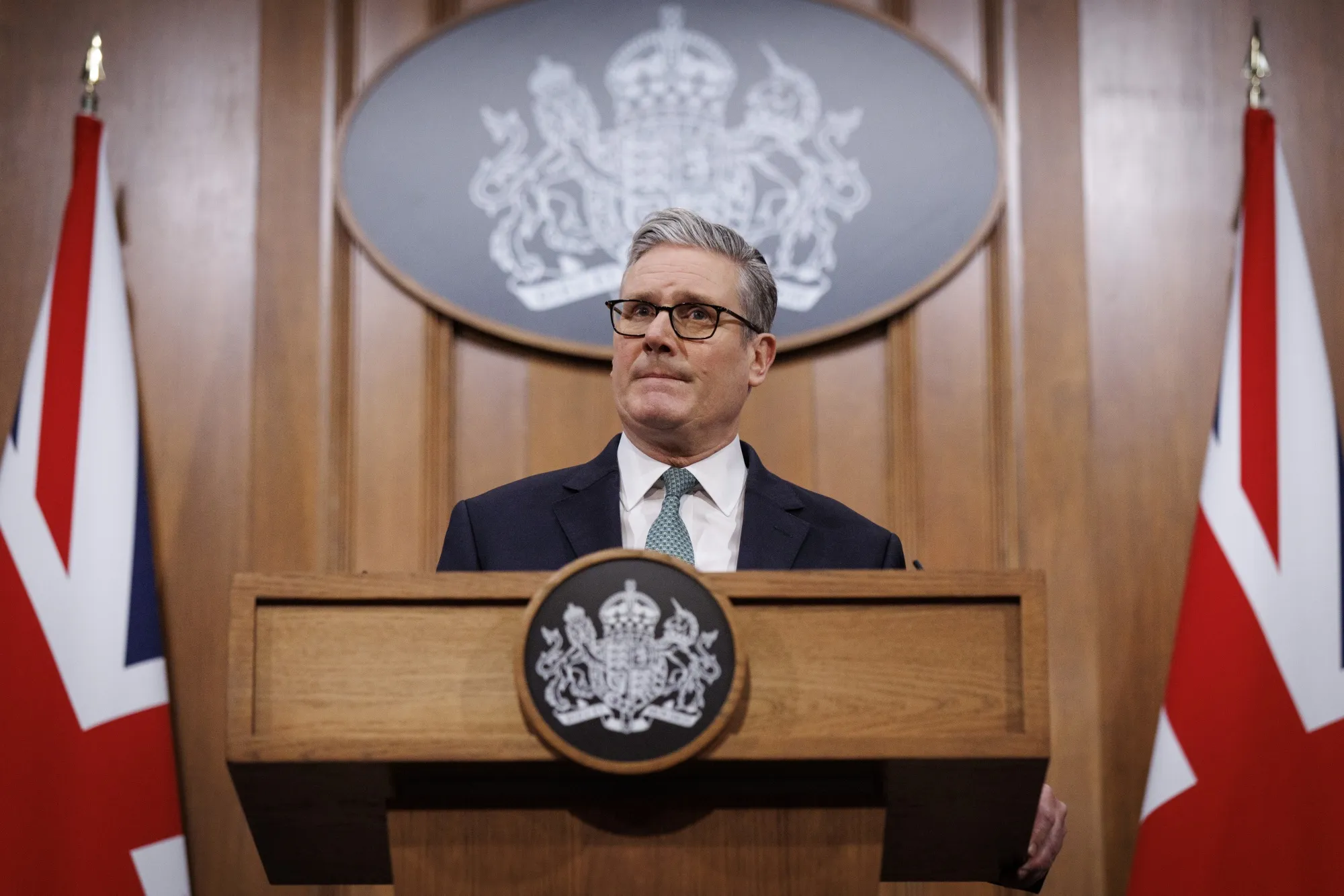
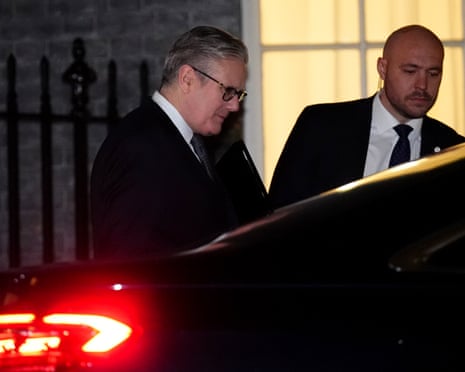
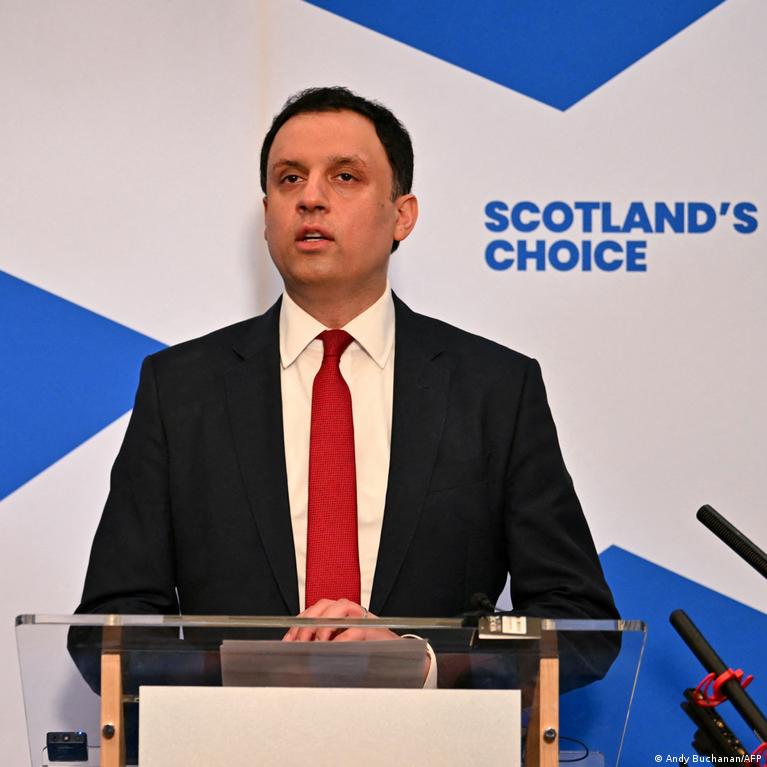
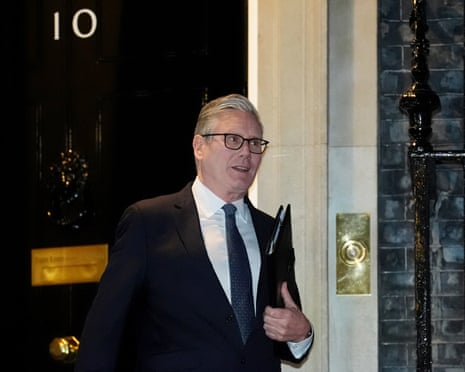
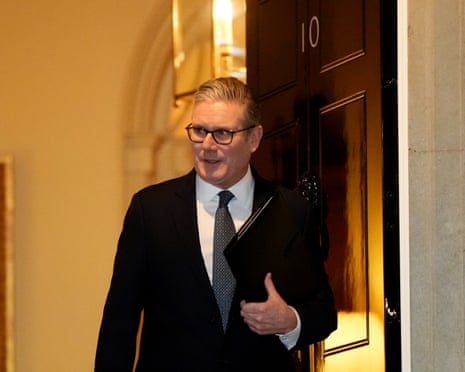
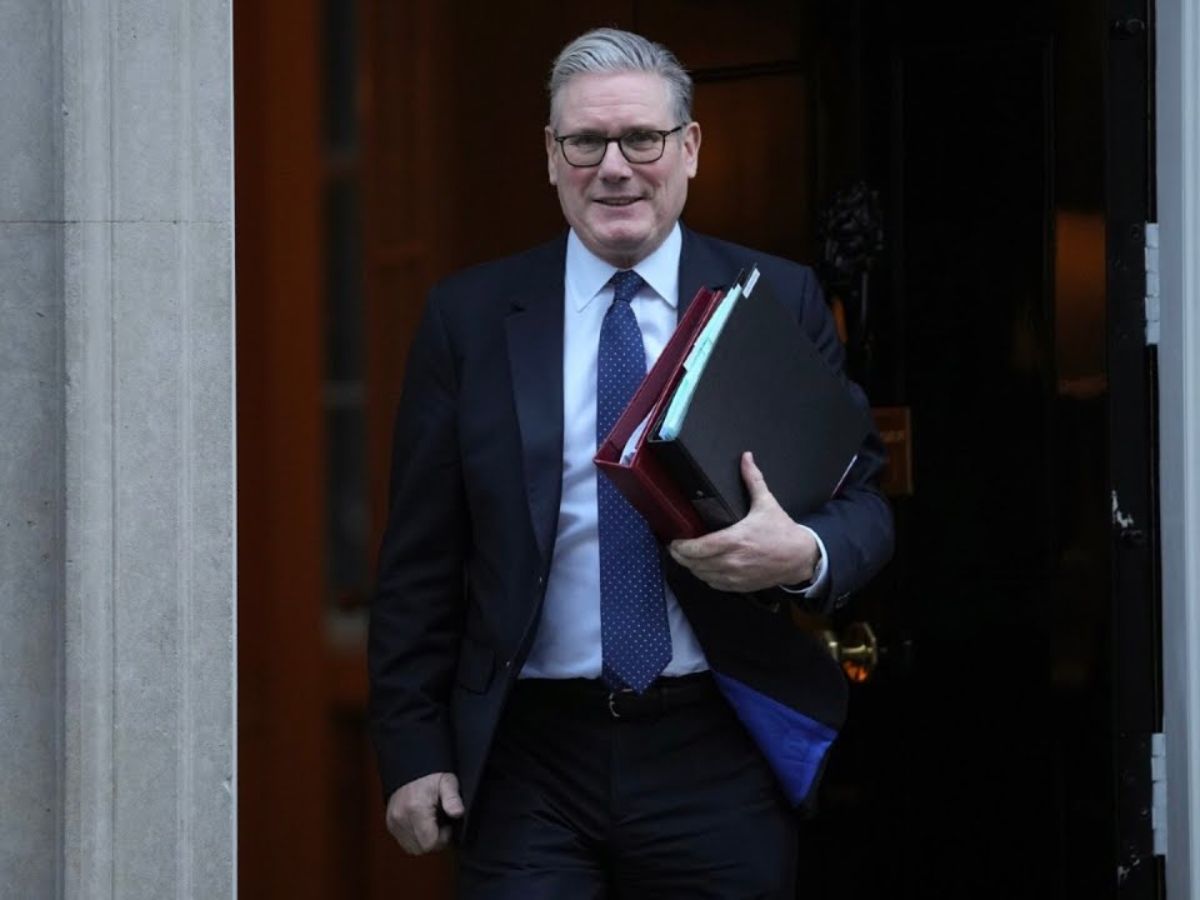
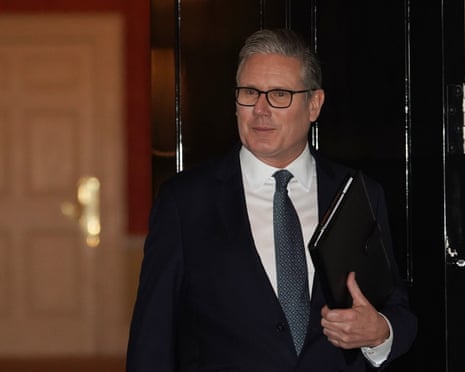
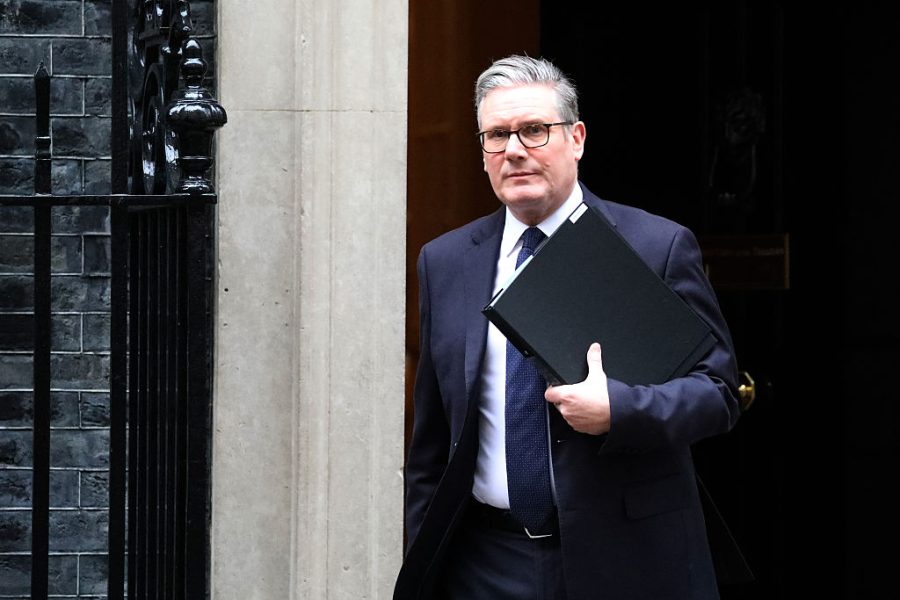
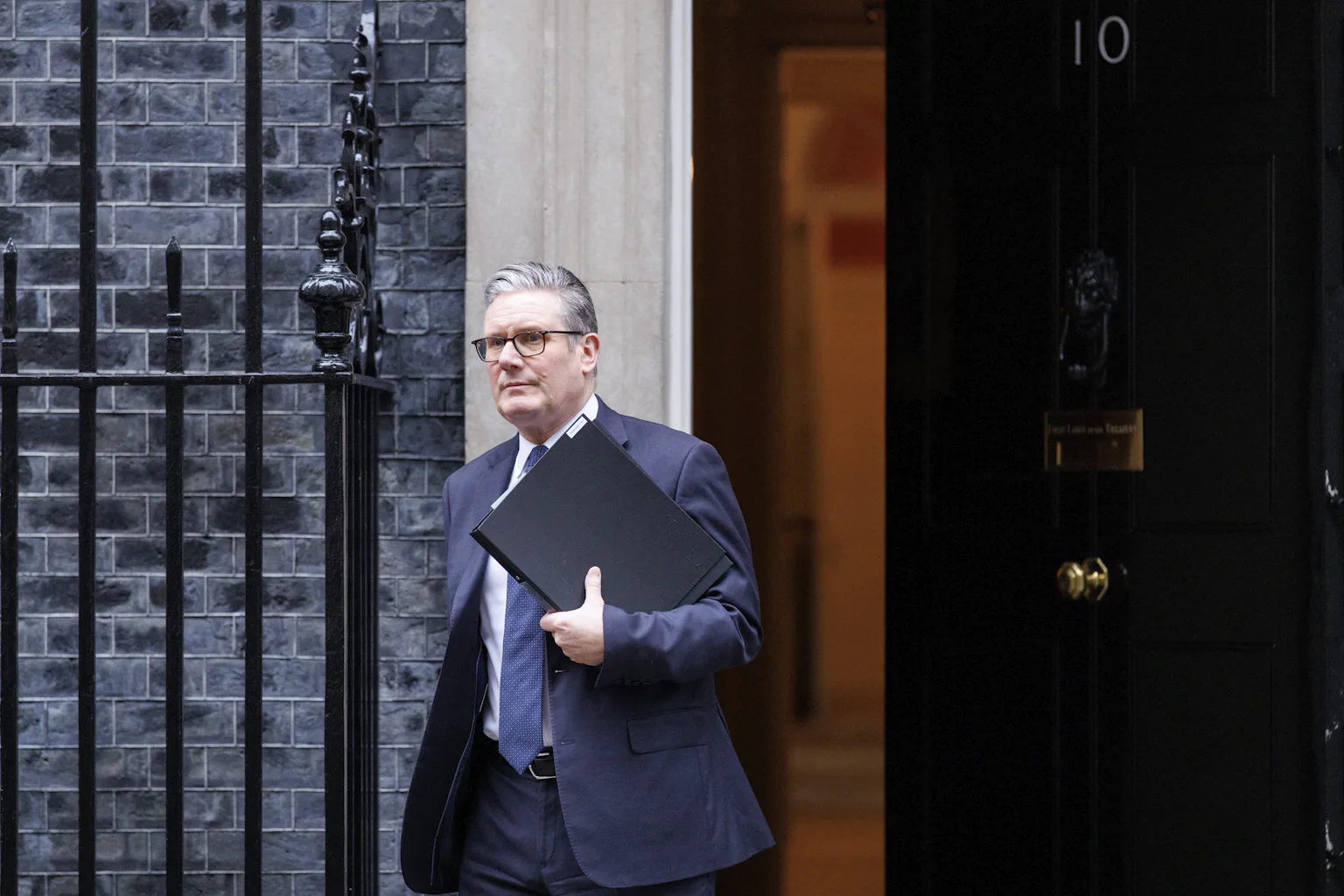
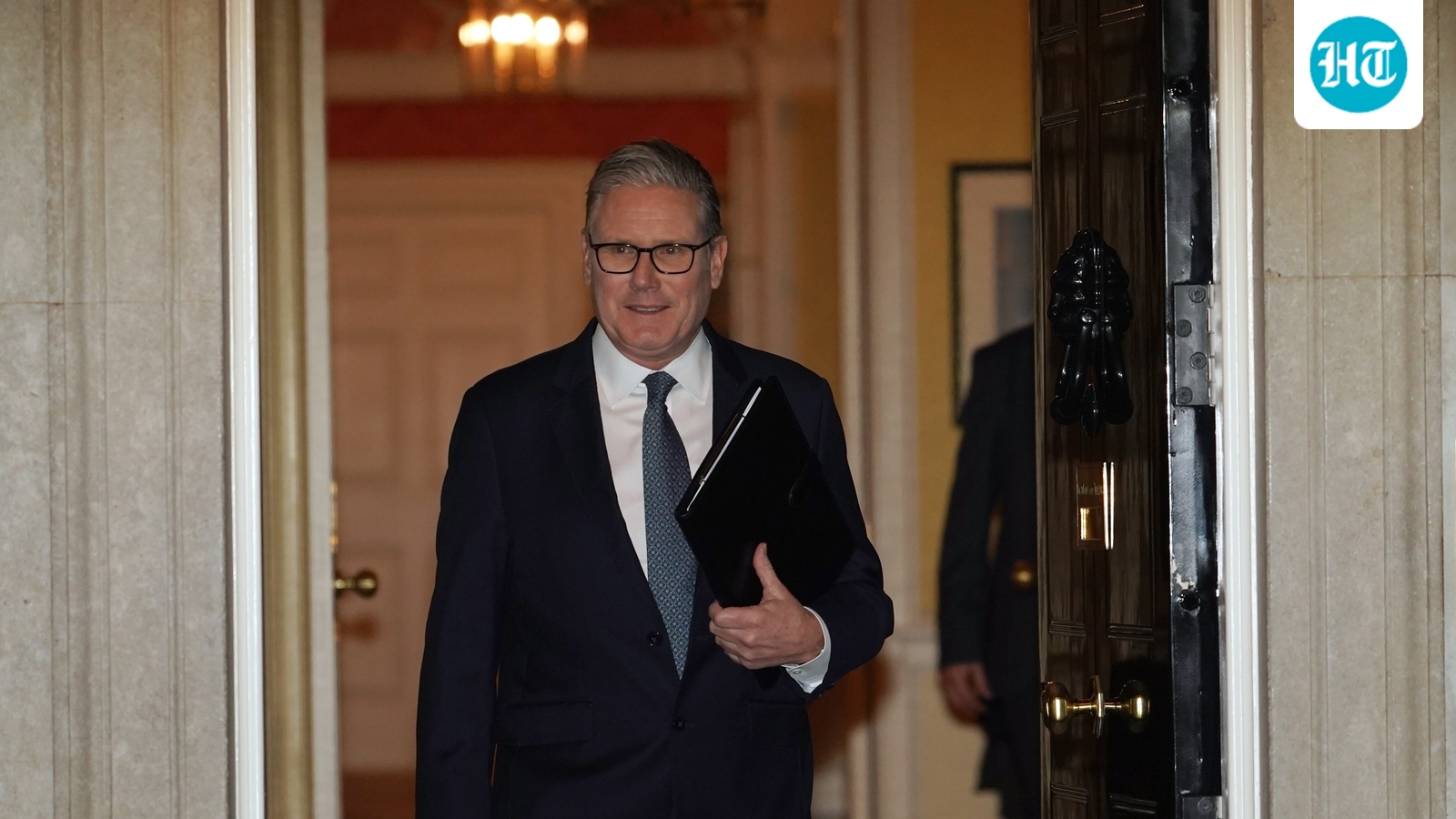
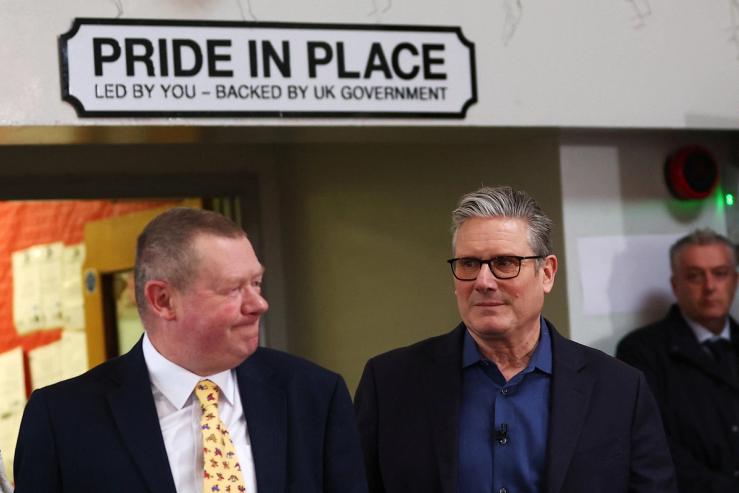
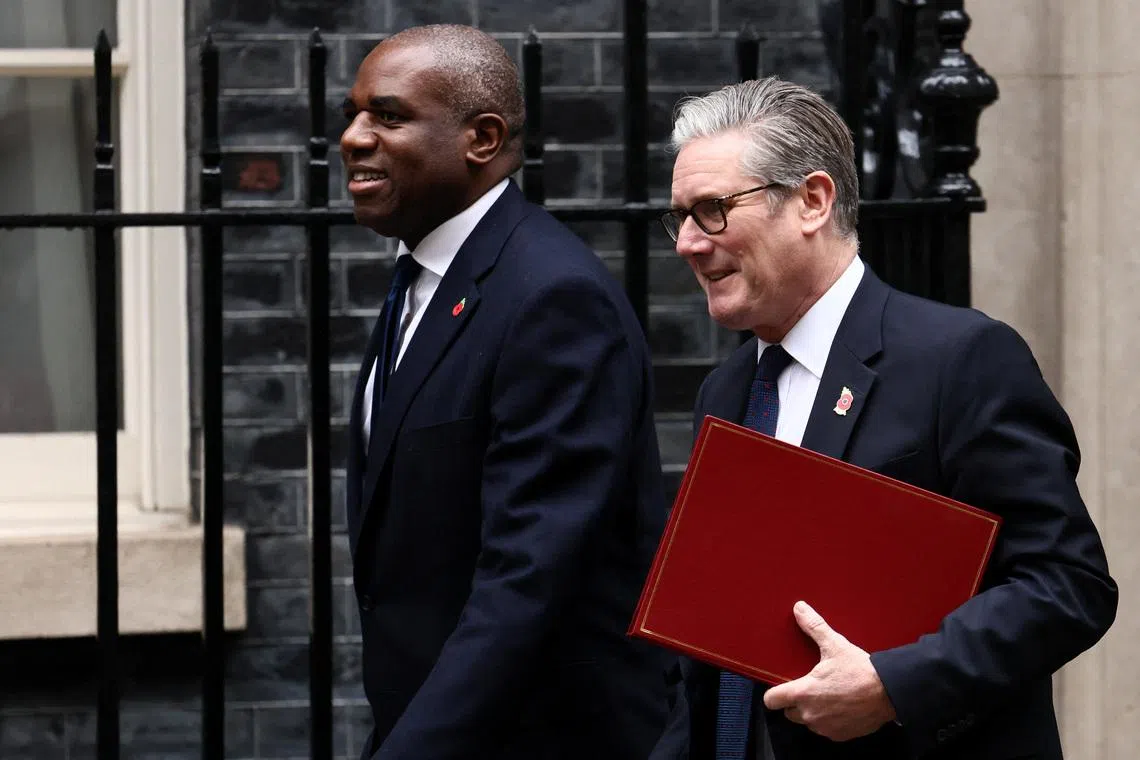
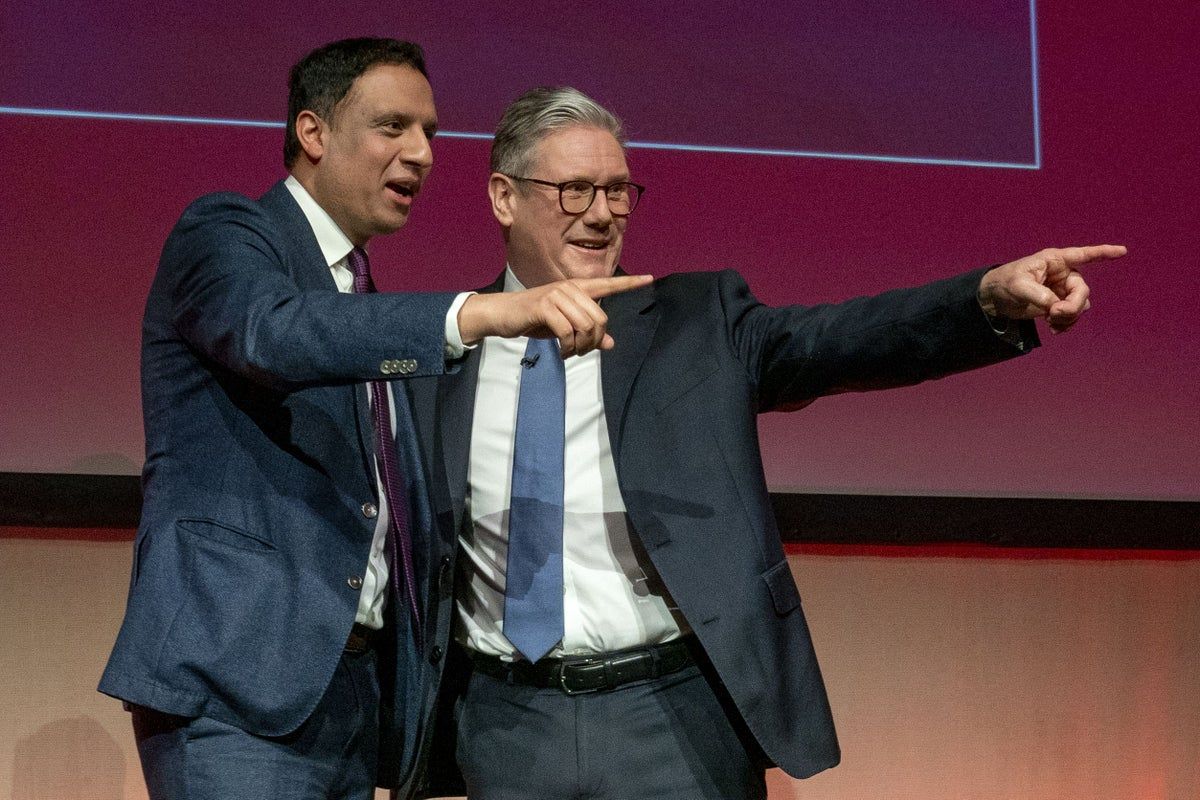
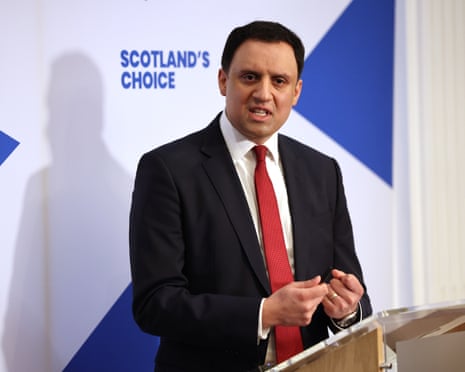
The UK government faces unprecedented political instability following Prime Minister Keir Starmer's appointment of Peter Mandelson as US ambassador, triggering revelations of Mandelson's Epstein connections and allegations of market-sensitive information sharing during his 2009 tenure as Business Secretary. This scandal has triggered cascading resignations from Starmer's inner circle—including chief of staff Morgan McSweeney and communications director Tim Allan—while UK police launched criminal investigations into misconduct in public office. With approval ratings at record lows and Anas Sarwar (Scottish Labour leader) publicly calling for Starmer's resignation ahead of May local elections, the government's political capital has severely eroded just 19 months after Labour's landslide victory with the largest parliamentary majority in a century.
For cross-border e-commerce sellers, this political crisis creates three critical operational risks. First, regulatory uncertainty now dominates UK business policy: with government attention diverted to survival mode and cabinet instability, e-commerce-related regulations—including post-Brexit VAT simplification, customs procedures, and digital services tax implementation—face indefinite delays. Sellers relying on promised regulatory clarity for 2025 planning should expect 6-12 month postponements. Second, currency and market volatility typically follows UK political crises: the pound sterling has historically weakened 3-5% during major government instability, directly impacting margins for sellers pricing in GBP while sourcing internationally. Third, consumer spending patterns shift during political uncertainty—UK household confidence typically declines 8-12% during government crises, reducing discretionary spending on non-essential categories (fashion, electronics, home goods) that represent 40% of cross-border seller revenue from UK marketplaces.
The beneficiary of this chaos—Reform UK's polling lead—signals potential policy shifts if government changes occur. Reform's populist platform historically favors stricter immigration and trade policies, which could impact supply chain logistics and labor availability for UK-based 3PL providers and fulfillment centers. Sellers should monitor May 2025 local election results as a leading indicator of potential general election timing and policy direction. The immediate 6-month window (January-June 2025) represents a "policy freeze" where major e-commerce regulatory initiatives are unlikely to advance, creating both risk (delayed favorable reforms) and opportunity (reduced compliance burden for sellers currently non-compliant with pending regulations).
問題 7
Will UK consumer spending decline during this political crisis?
Historical data shows UK household confidence drops 8-12% during major government crises, typically reducing discretionary spending on fashion, electronics, and home goods by 5-8% for 3-6 months. This directly impacts cross-border sellers in these categories who rely on UK marketplace revenue. Non-discretionary categories (groceries, health products, pet supplies) show resilience during political uncertainty. Sellers should prepare for potential 5-8% revenue decline in Q1-Q2 2025 from UK channels; consider shifting marketing budget toward non-discretionary categories or expanding to EU/US marketplaces to offset UK market softness. Monitor UK Consumer Confidence Index (published monthly by ONS) as a leading indicator.
How might Reform UK's polling lead affect supply chain regulations for sellers?
Reform UK's populist platform historically favors stricter immigration and trade policies, which could impact labor availability for UK 3PL providers and fulfillment centers if the party gains influence. Stricter immigration policies could reduce warehouse staffing availability, increasing fulfillment costs 8-12% for sellers using UK-based 3PLs. Additionally, Reform's trade skepticism could delay post-Brexit trade agreements with key sourcing regions (Vietnam, India, Bangladesh), potentially increasing import tariffs 2-5%. Sellers should diversify 3PL providers now (consider EU-based alternatives), and monitor Reform UK policy statements quarterly. If Reform gains seats in May 2025 local elections, prepare for potential supply chain cost increases in H2 2025.