





Discord's Mandatory Age Verification Creates Compliance Moat for Gaming Sellers | March 2025 Rollout
- Global rollout March 2025 affects 200M+ users; creates certification barriers for adult-content gaming sellers; k-ID/Privately partnerships establish compliance standards; 70K ID breach exposes third-party verification risks































概览
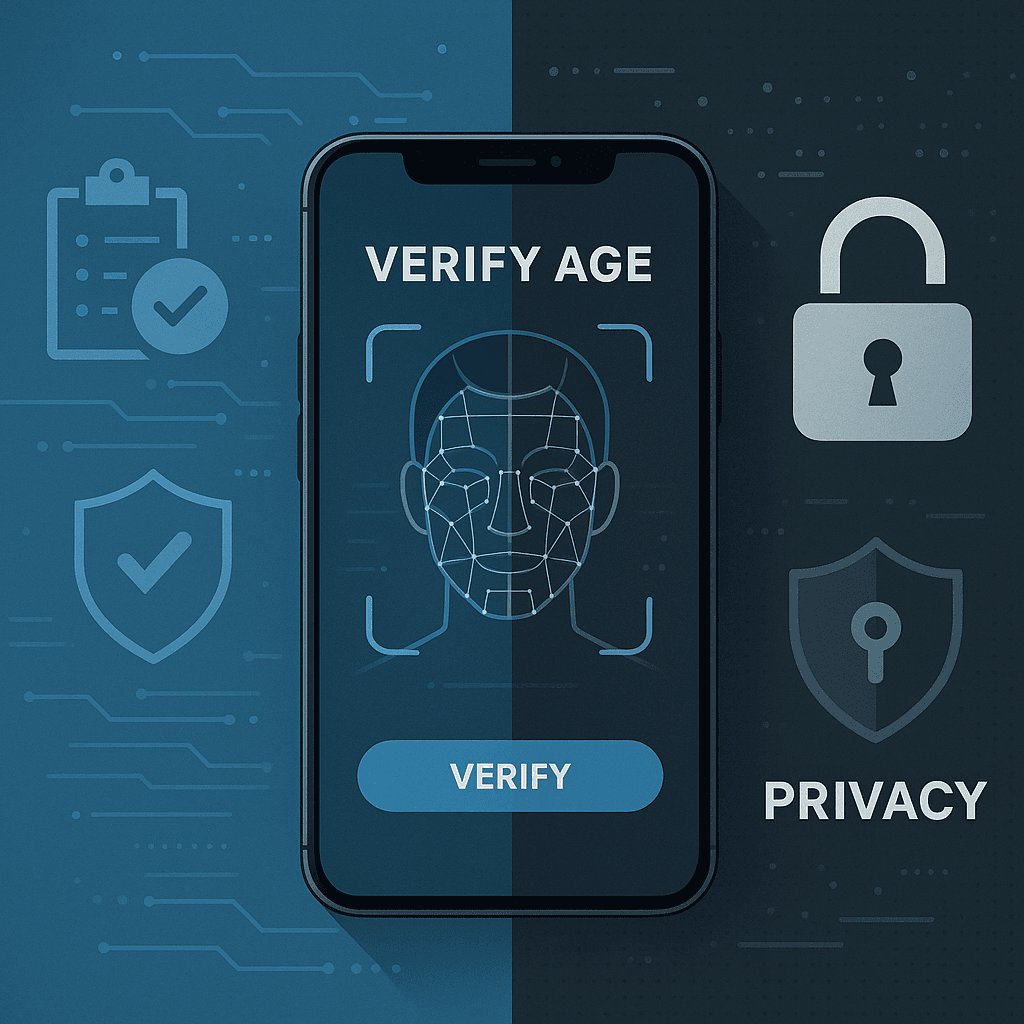
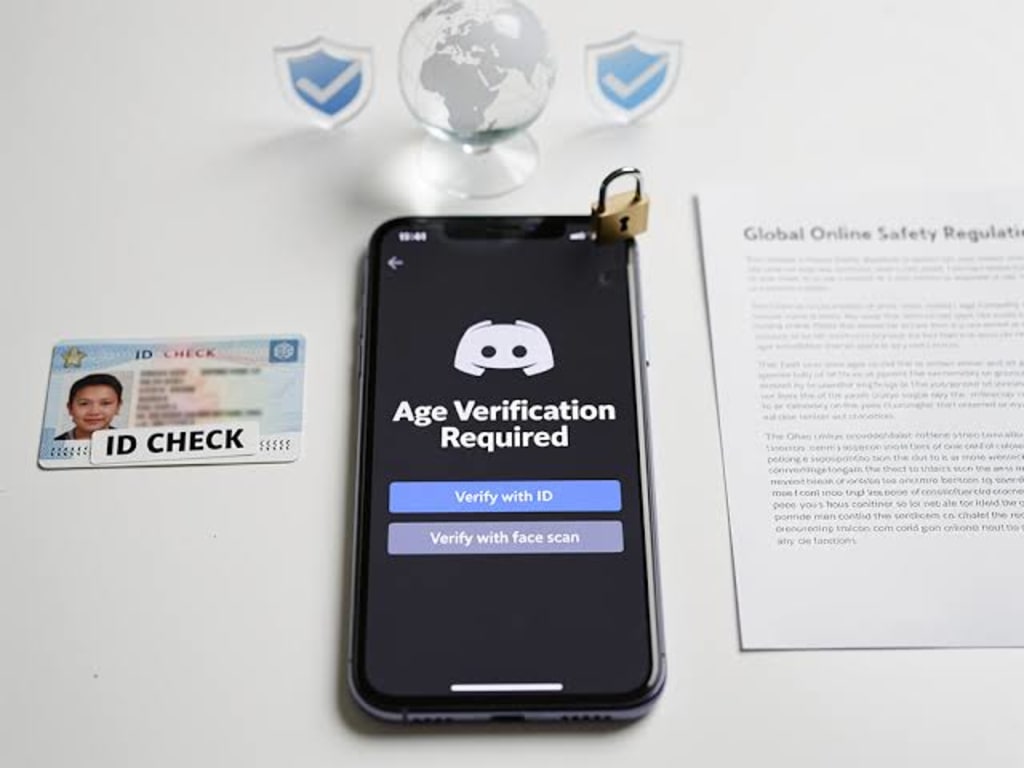
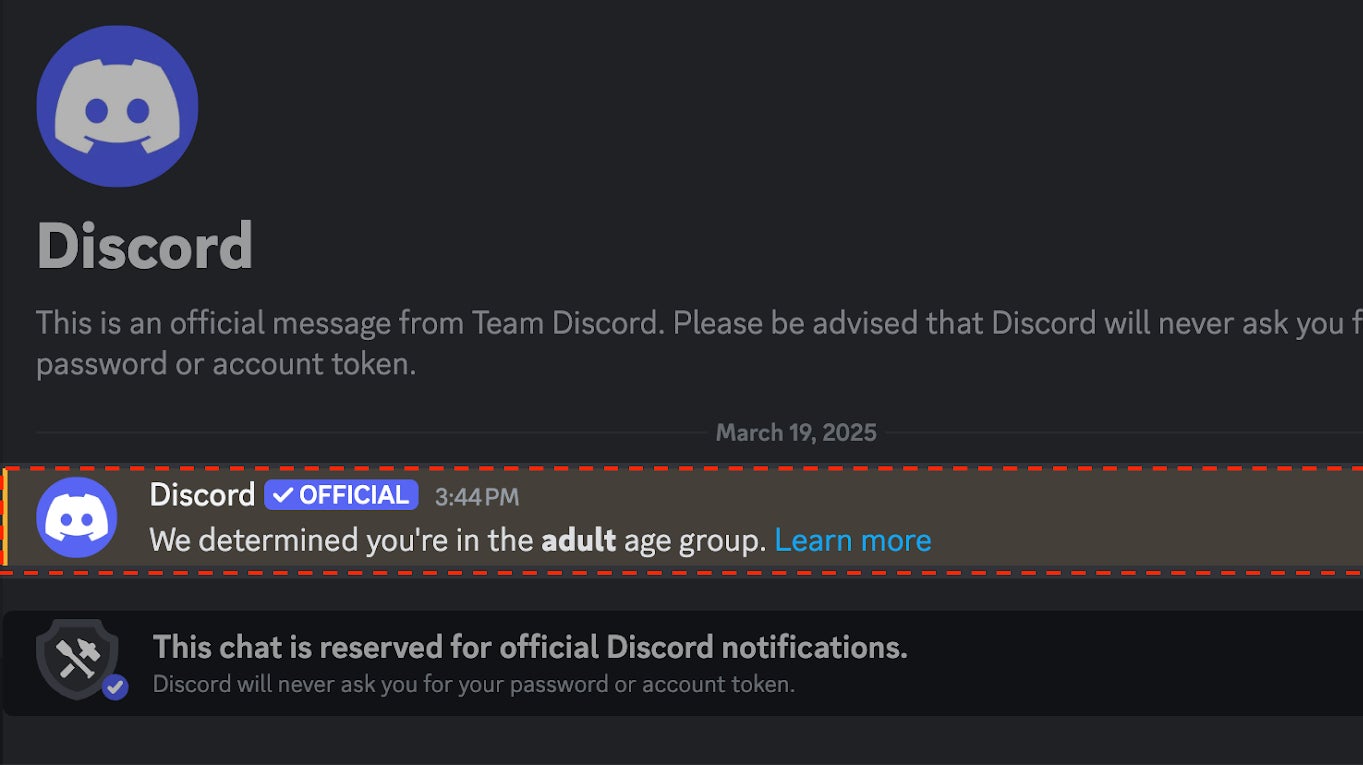
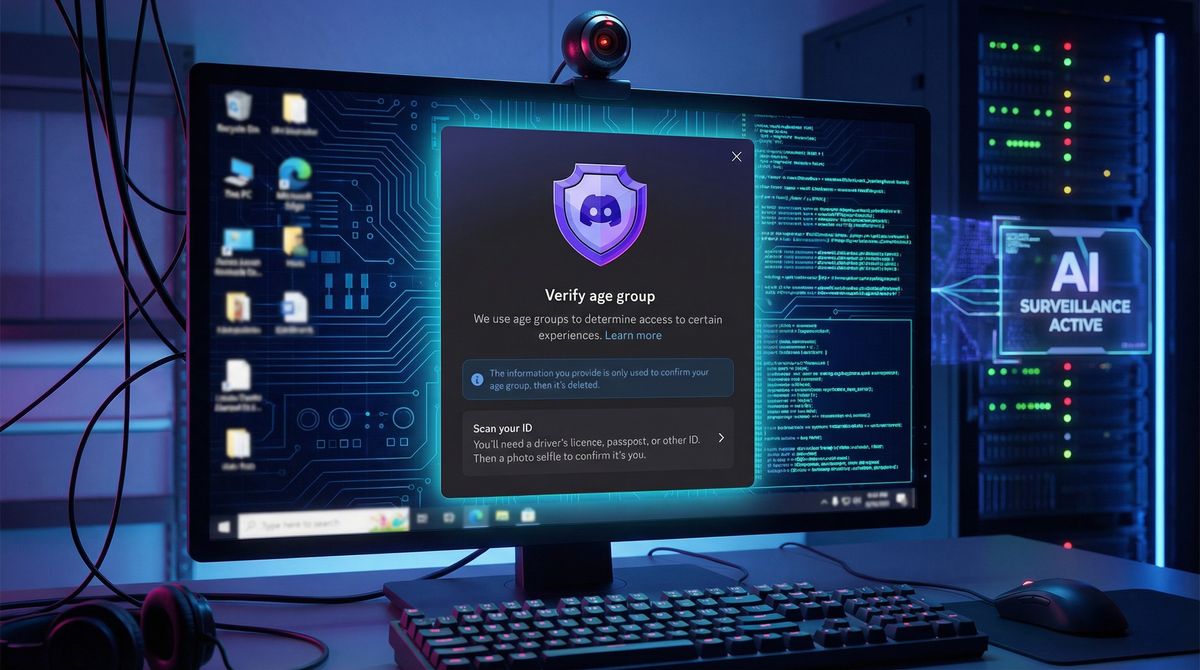
Discord's mandatory age verification system, rolling out globally in March 2025, represents a watershed moment in platform compliance that creates significant competitive barriers for gaming sellers and digital content merchants. The platform's requirement that users submit government IDs or facial recognition scans to access adult content—enforced through partnerships with k-ID and Swiss company Privately—establishes a new compliance baseline that mirrors similar measures by Meta, TikTok, and Roblox. This regulatory convergence signals that age-gating technology will become table-stakes for any seller marketing age-restricted gaming content, digital products, or community-driven merchandise.
The compliance opportunity emerges from the verification infrastructure itself. Discord's approach—using on-device facial recognition processing and off-device ID verification with immediate deletion—creates a certification standard that sellers must understand and potentially implement in their own platforms. Sellers operating Discord communities for adult gaming, esports betting merchandise, or mature-rated game sales will face immediate pressure to implement compatible verification systems. The market for age-verification compliance services is expanding rapidly: k-ID and Privately are establishing themselves as the de facto standards, creating a $50-150M annual market for verification APIs, integration services, and compliance consulting. Sellers who integrate these verification systems into their storefronts (Shopify, WooCommerce, custom platforms) gain competitive advantages in regulated markets like the UK and Australia, where regional online safety regulations already mandate age verification for certain content categories.
However, the October 2024 breach—where 70,000 government IDs were stolen from a third-party verification service—exposes the critical vulnerability in this compliance chain. This incident creates a two-tier market: compliant sellers using enterprise-grade verification (k-ID, Privately) with GDPR-aligned data minimization will command premium positioning, while sellers using cheaper, less-secure verification services face reputational and legal risk. The breach also reveals that sellers must now evaluate third-party verification vendors with the same rigor as payment processors, assessing their security certifications, data retention policies, and breach insurance. For cross-border sellers, this creates regional complexity: UK and Australian sellers already operating under Online Safety Act requirements have 6-month compliance advantage over US and EU sellers who must rapidly adopt similar systems to remain competitive on Discord and other platforms implementing teen-by-default settings.
The immediate market impact favors sellers in three categories: (1) Gaming merchandise sellers who can integrate age verification into their Shopify/WooCommerce storefronts, positioning themselves as compliant alternatives to non-verified Discord sellers; (2) Compliance service providers offering turnkey age-verification integration for $500-2,000 per implementation; (3) Sellers of gaming peripherals, esports equipment, and mature-rated game merchandise who can leverage verified-adult positioning as a trust signal. Conversely, sellers relying on Discord's unverified communities for customer acquisition face potential audience reduction of 20-40% as teen-by-default settings restrict content visibility, forcing migration to alternative platforms or direct-to-consumer channels.
問題 8
Which seller categories benefit most from Discord's age verification compliance requirements?
Three seller segments gain competitive advantages: (1) Gaming merchandise sellers integrating age verification into Shopify/WooCommerce storefronts, positioning as compliant alternatives; (2) Compliance service providers offering turnkey age-verification APIs and integration consulting; (3) Sellers of esports equipment, gaming peripherals, and mature-rated game merchandise who leverage verified-adult positioning as a trust signal. UK and Australian sellers already operating under Online Safety Act requirements have 6-month compliance advantage over US and EU competitors, creating first-mover positioning in regulated markets.
What compliance risks does the October 2024 Discord verification breach create for sellers?
The theft of 70,000 government IDs from a third-party verification service demonstrates that sellers must now evaluate age-verification vendors with payment-processor-level rigor. Sellers using cheaper, less-secure verification services face reputational damage, potential GDPR fines (up to €20M or 4% of revenue), and customer trust erosion. The incident establishes a two-tier market: enterprise-grade verification (k-ID, Privately) with GDPR compliance and breach insurance commands premium positioning, while budget alternatives face regulatory and security liability. Sellers should prioritize vendors with SOC 2 Type II certification, data minimization practices, and breach insurance coverage.