

Gaming Industry Restructuring Signals Market Volatility | Seller Opportunities in Esports Merchandise & Gaming Content
- 80 developers laid off from 2XKO team (50% workforce reduction) reveals live-service game economics; esports merchandise market faces consolidation; gaming content creators seek alternative revenue streams






:sharpen(0.5,0.5,true)/tpg%2Fsources%2F8a384006-f024-4ede-bc0d-4ef8b6c7822e.jpeg)







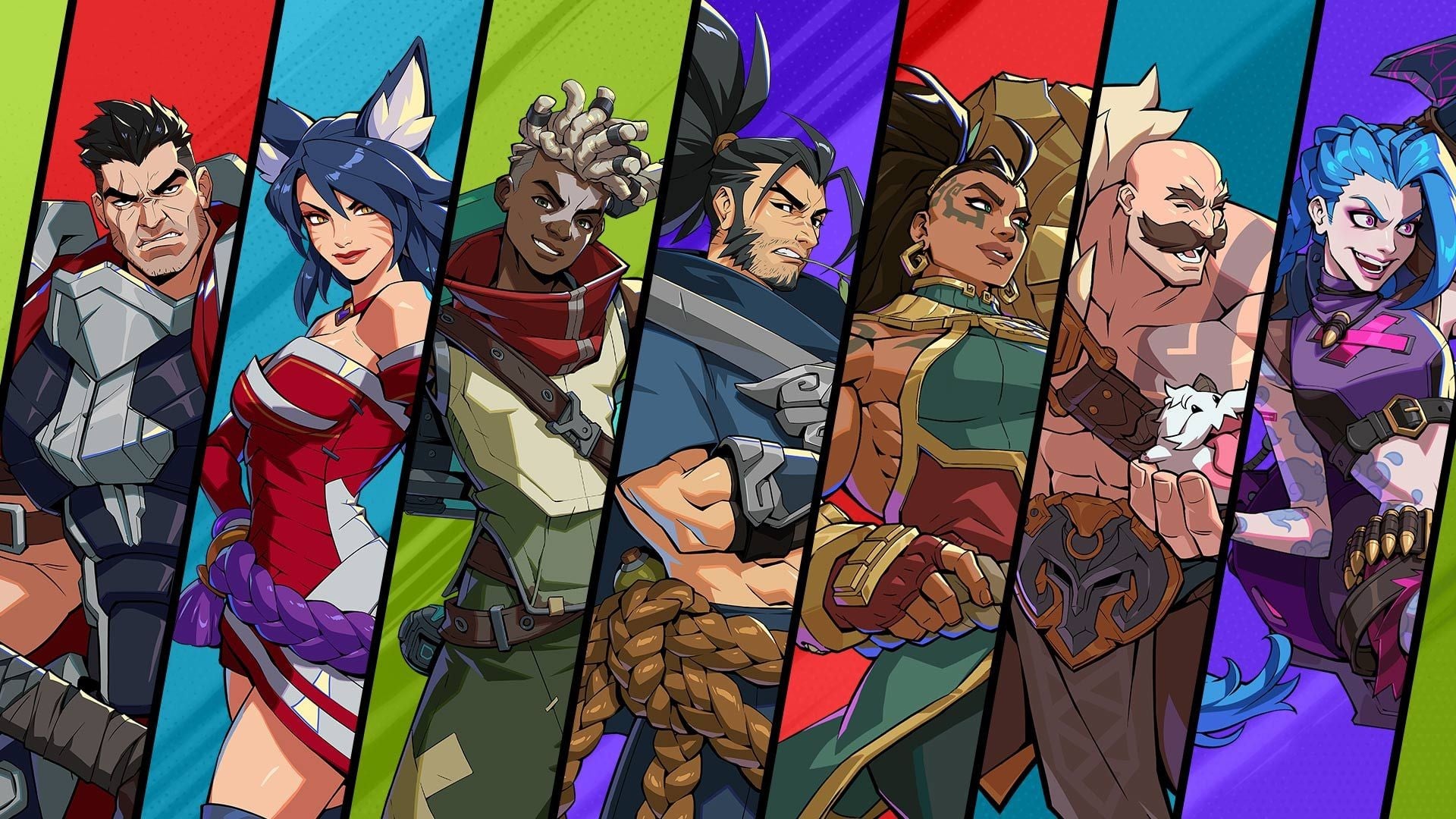

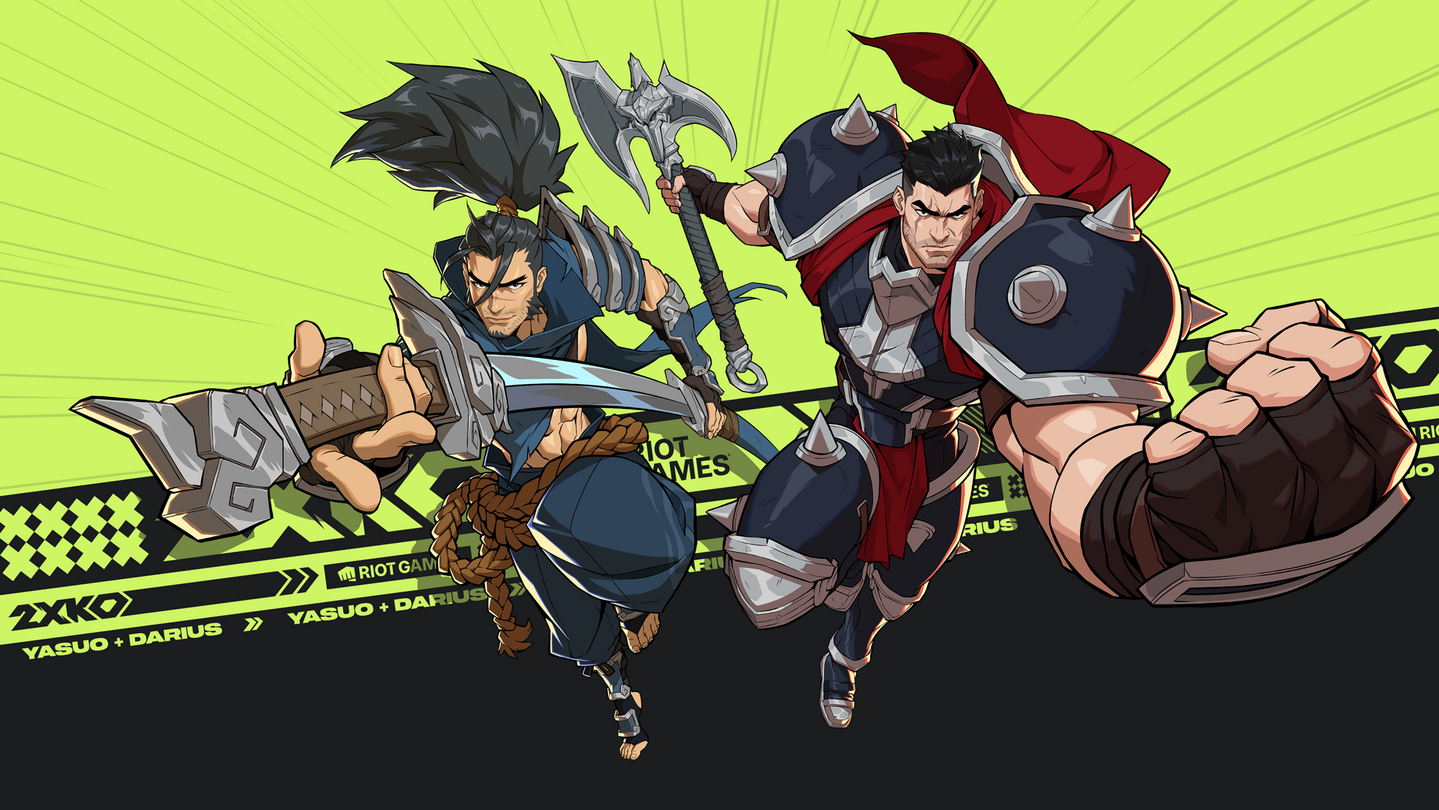


:sharpen(0.5,0.5,true)/tpg%2Fsources%2F89a742ac-46b0-490b-b3bf-82e9be88c256.jpeg)

概览
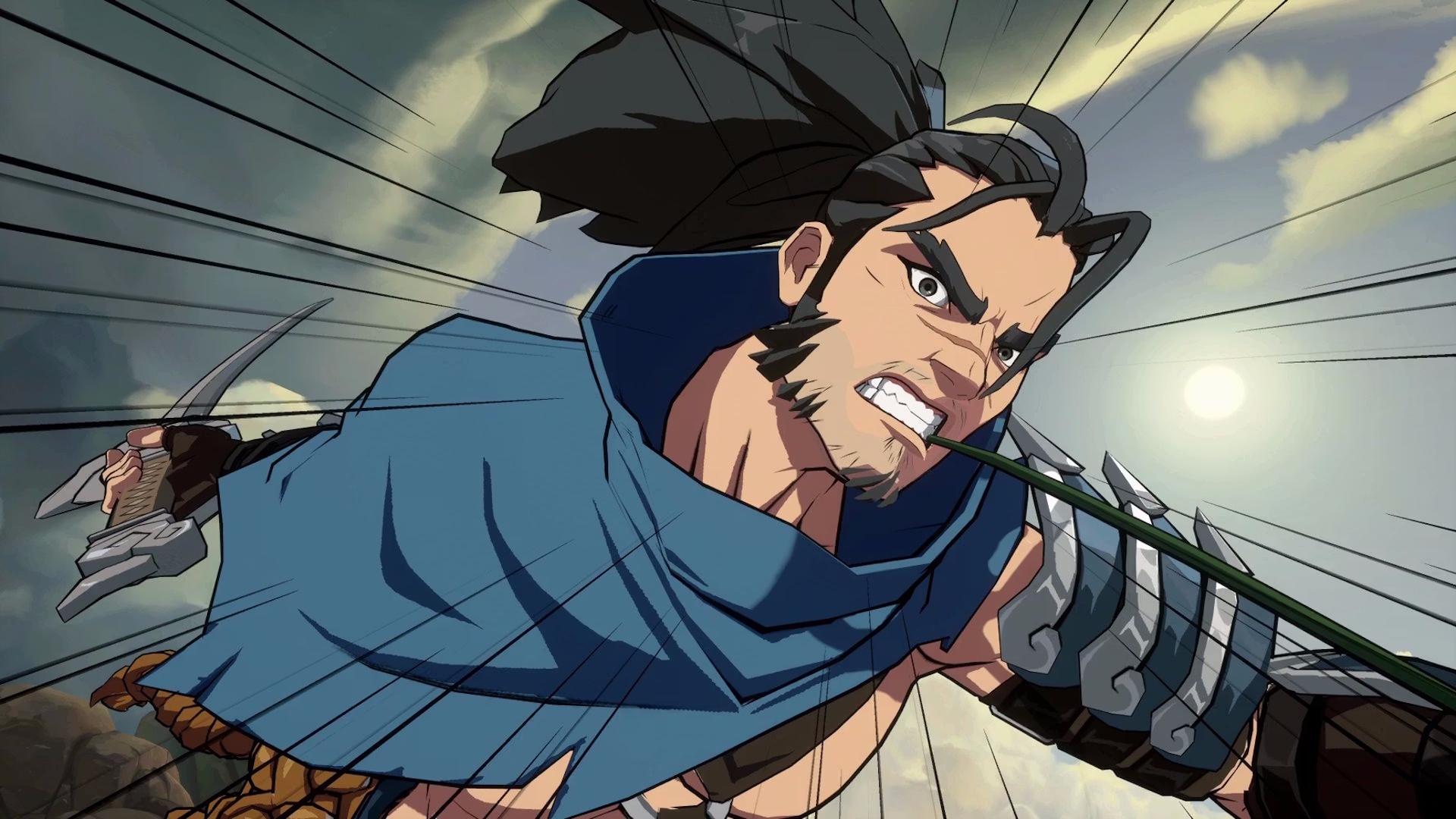
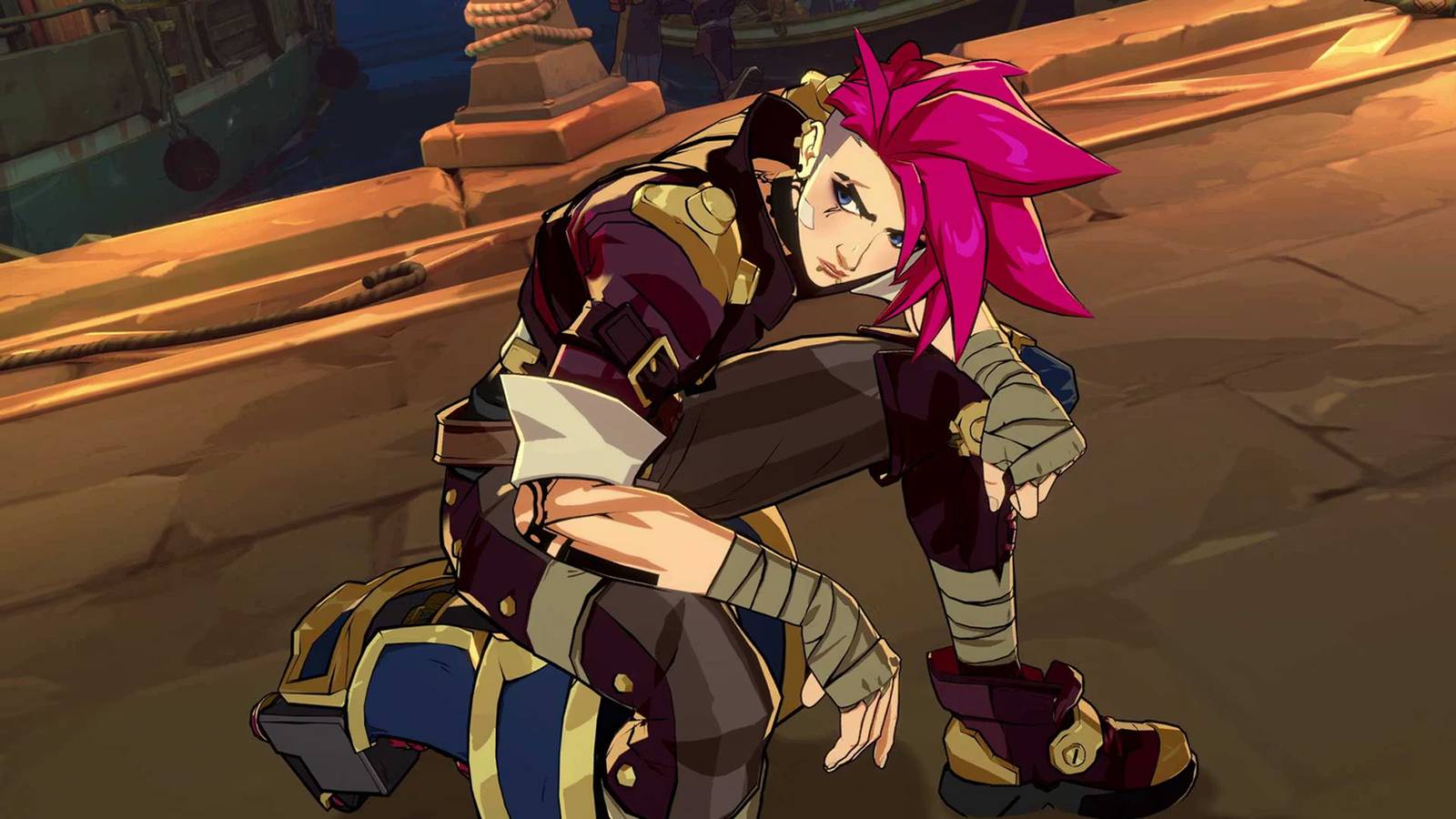
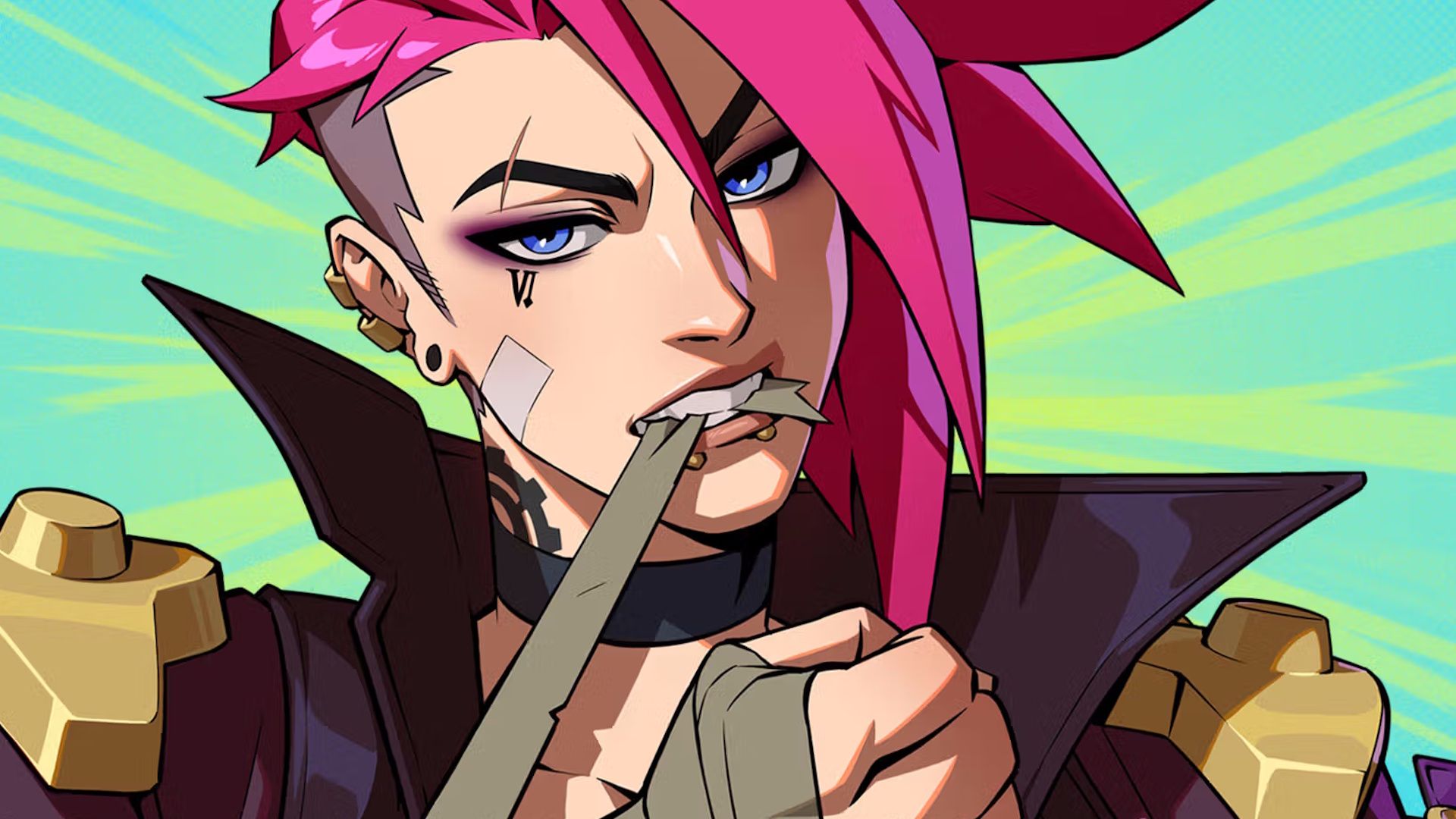
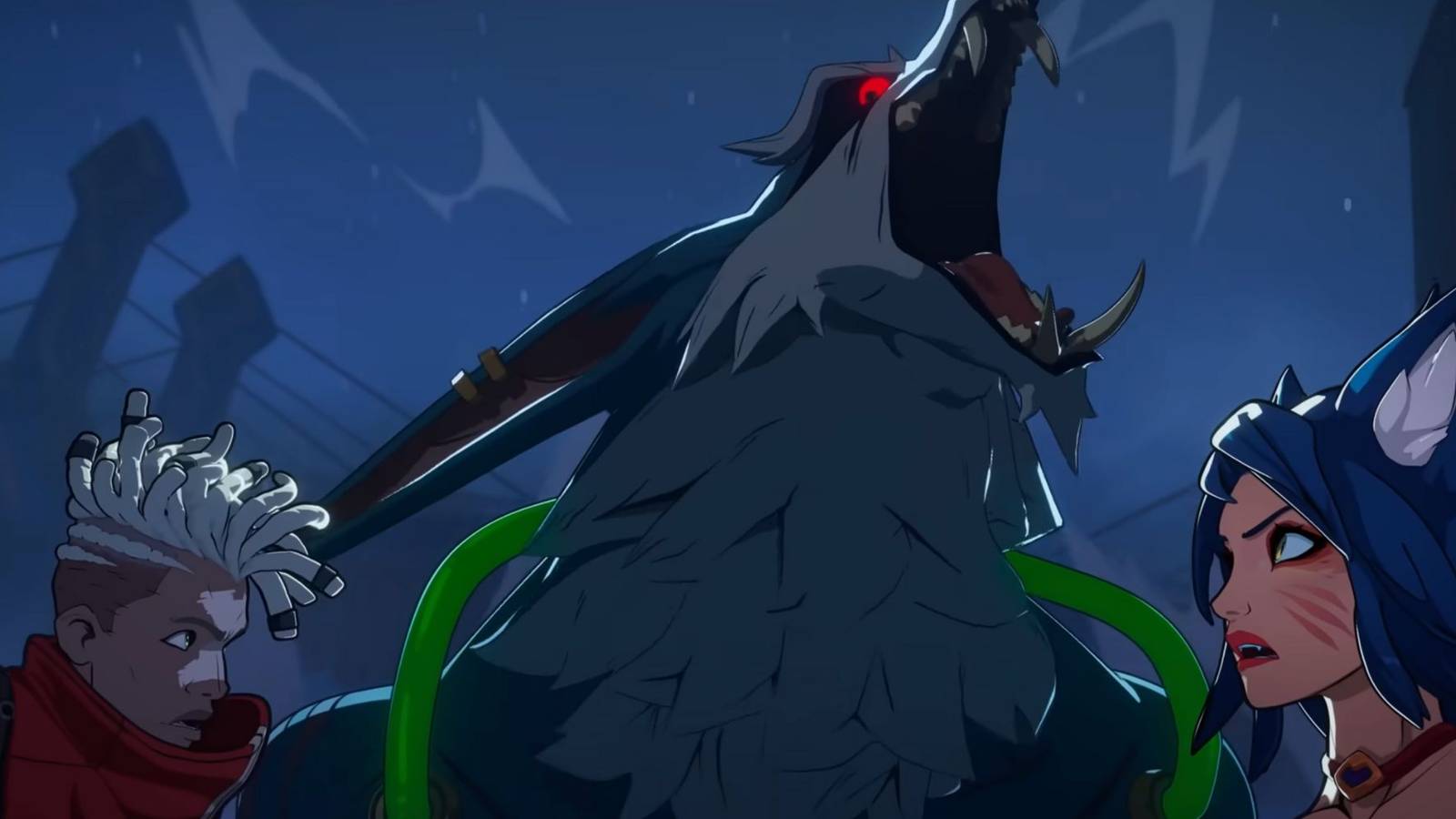
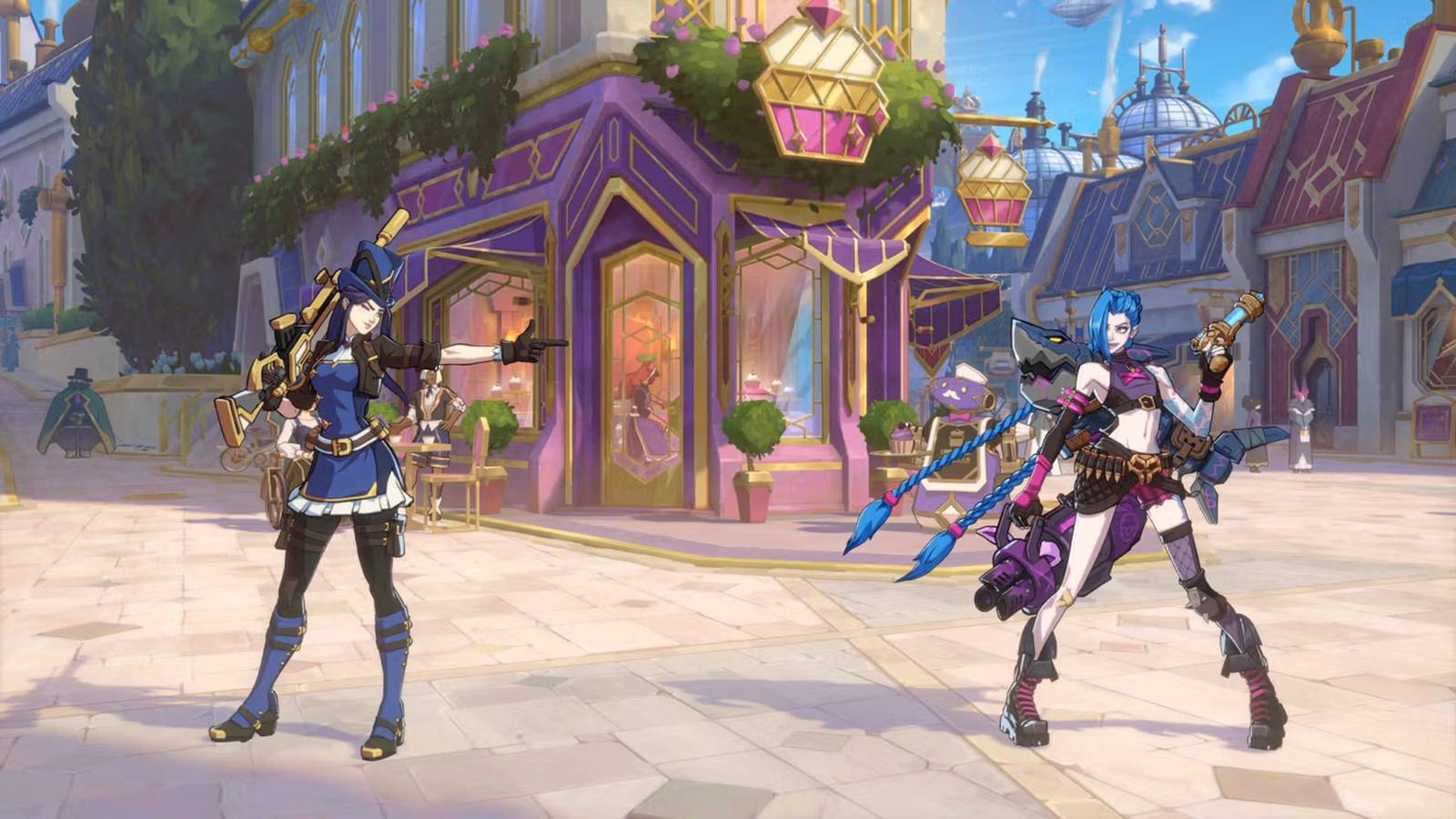
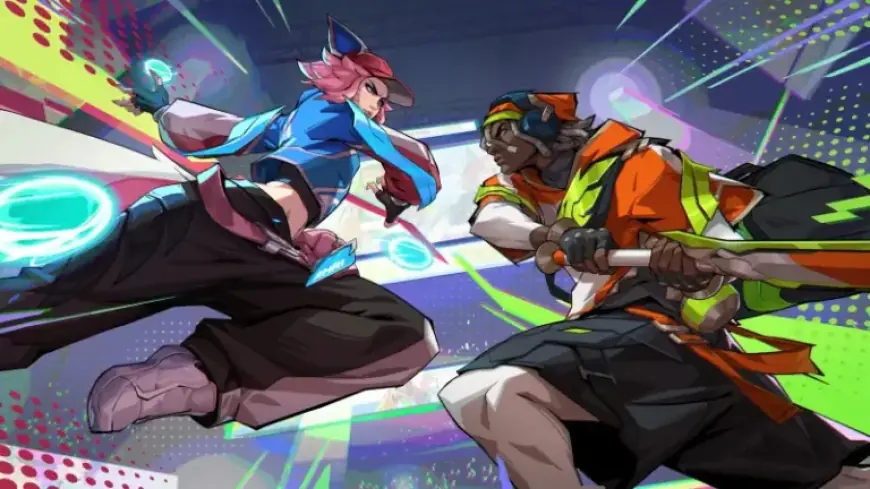
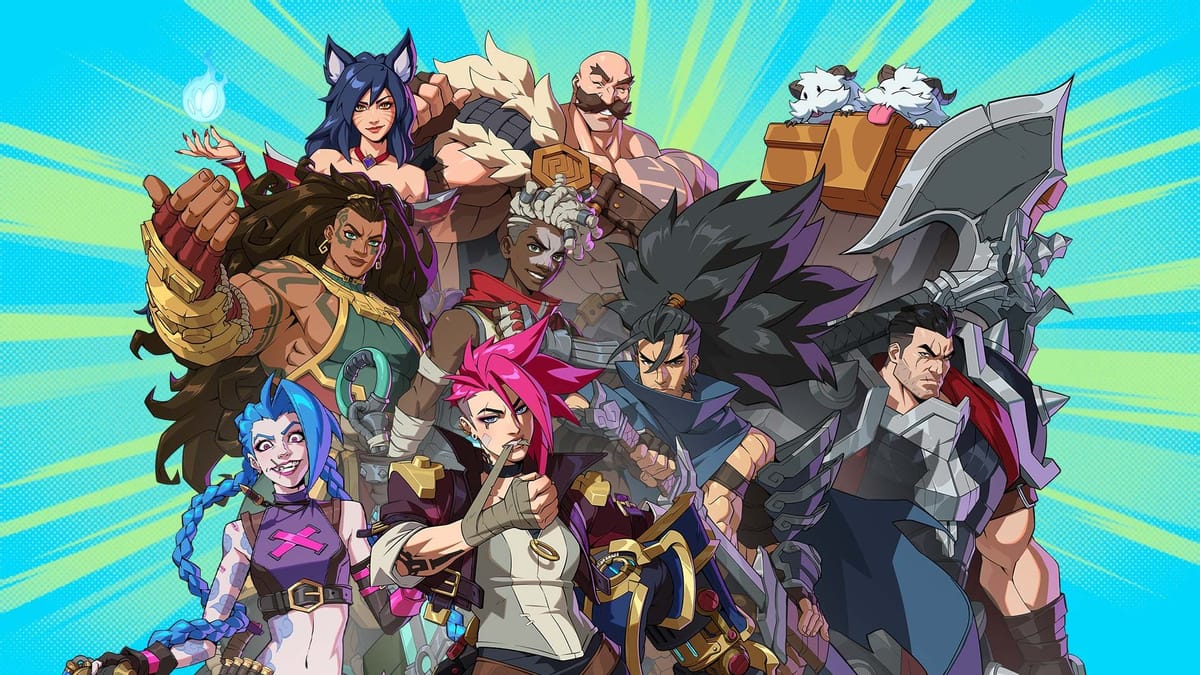
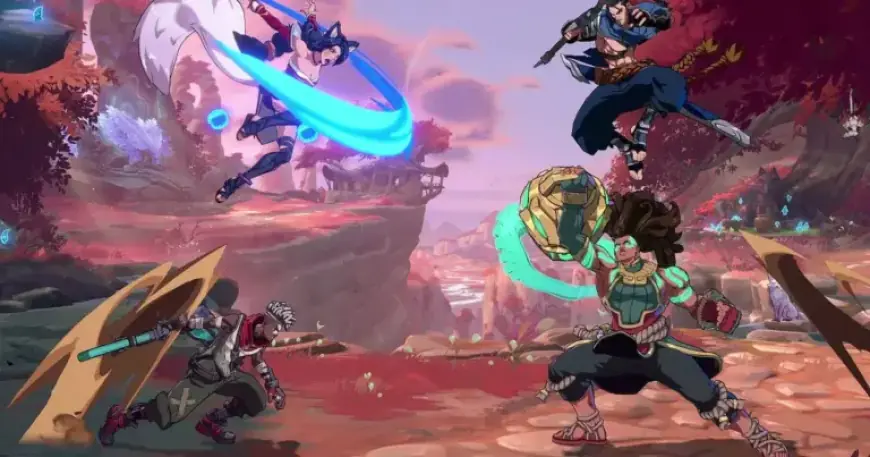
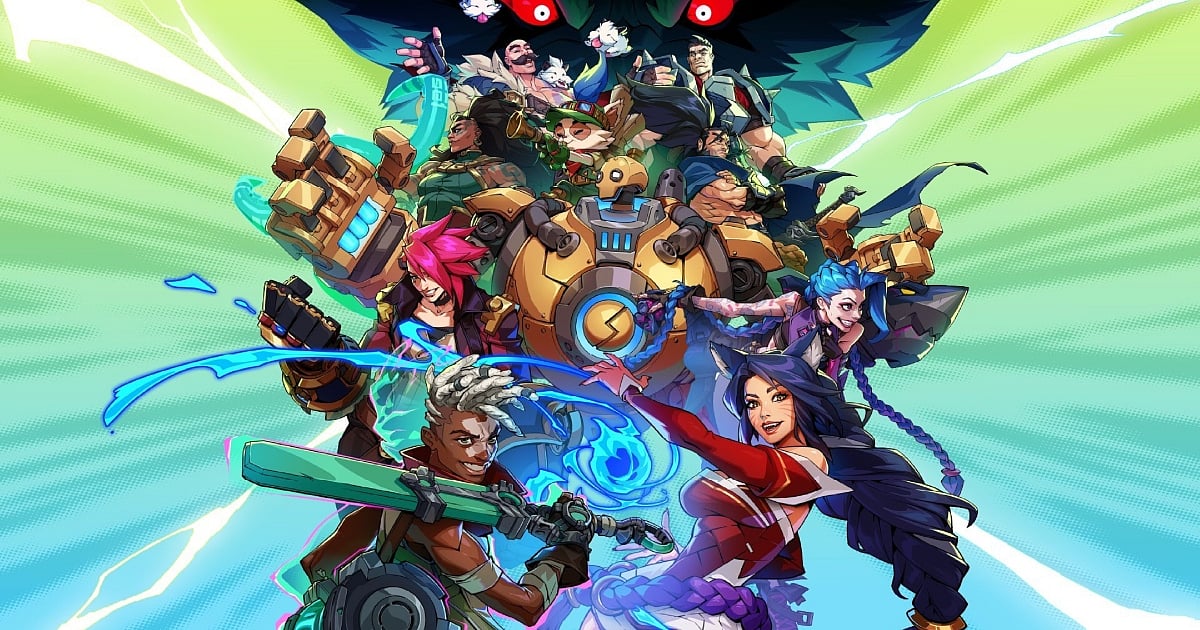
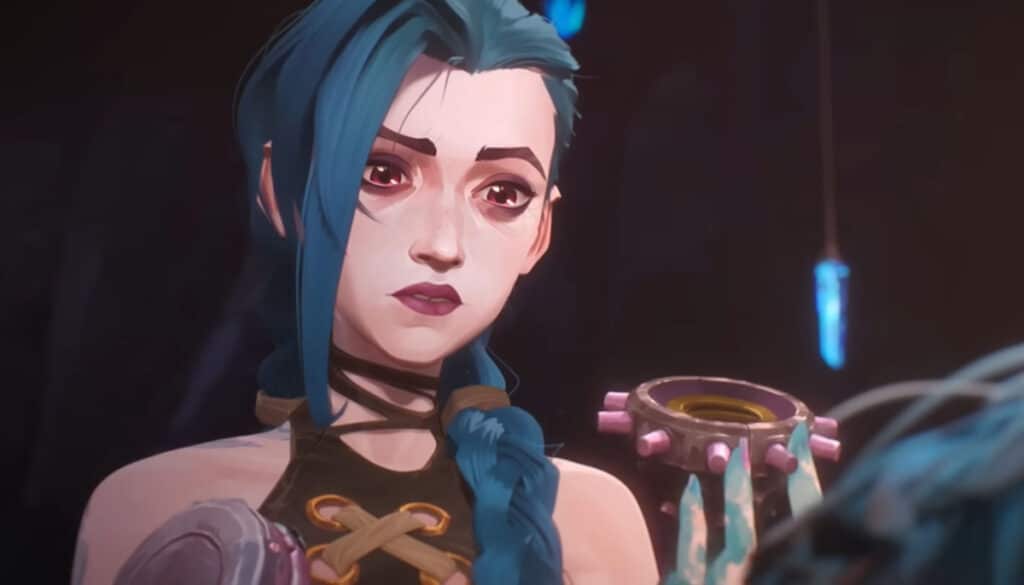
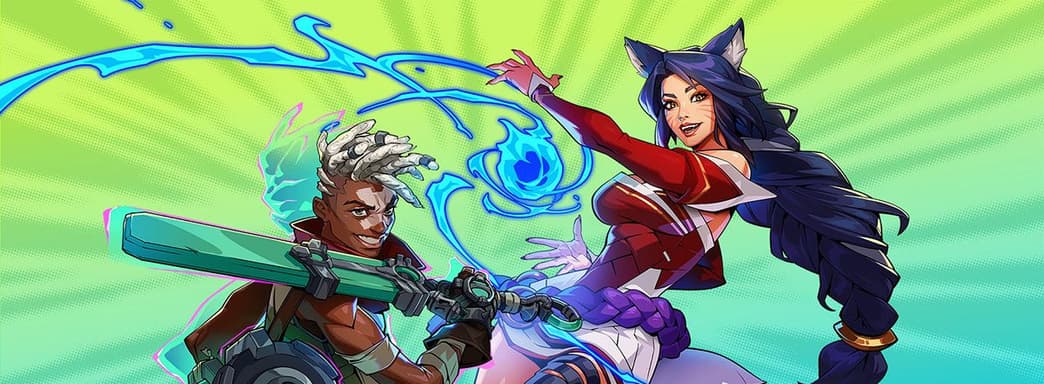
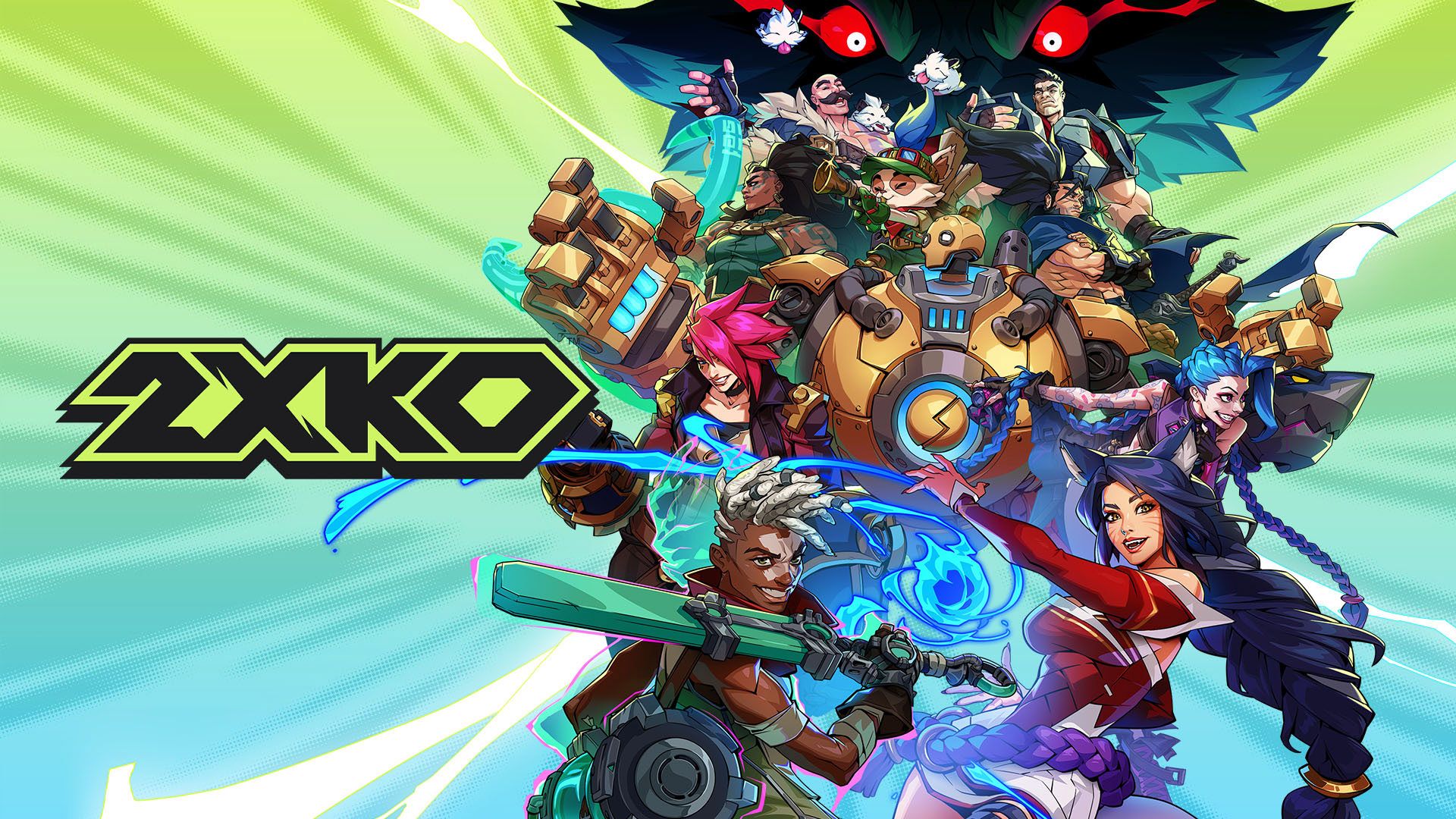
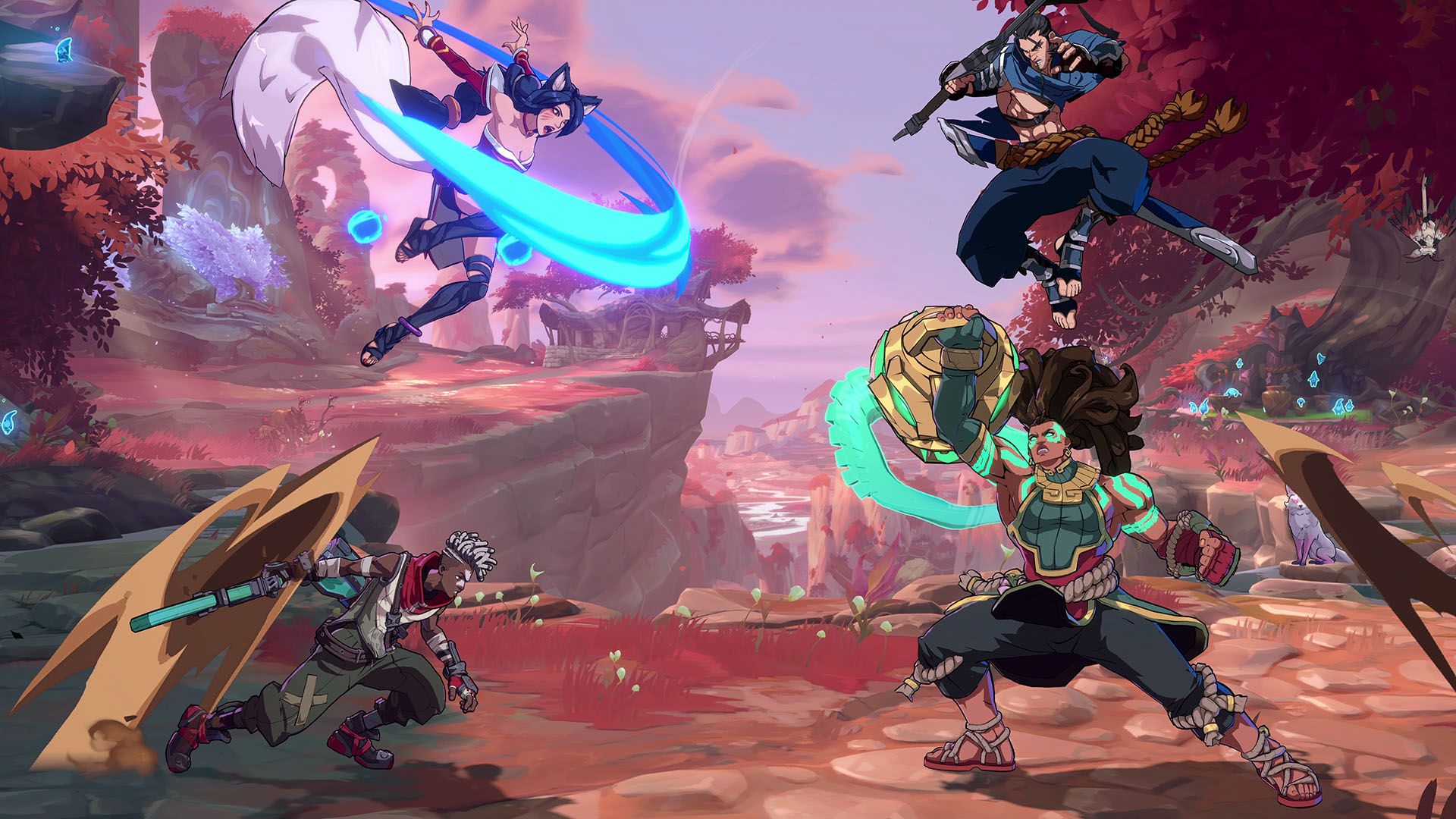
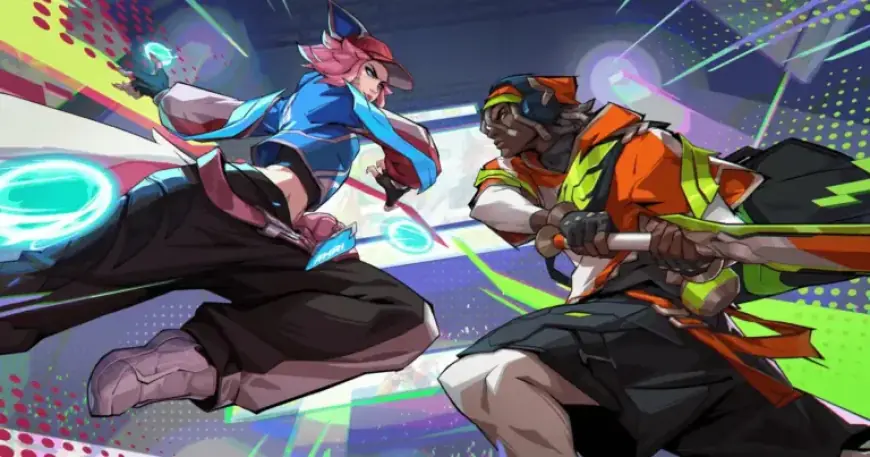
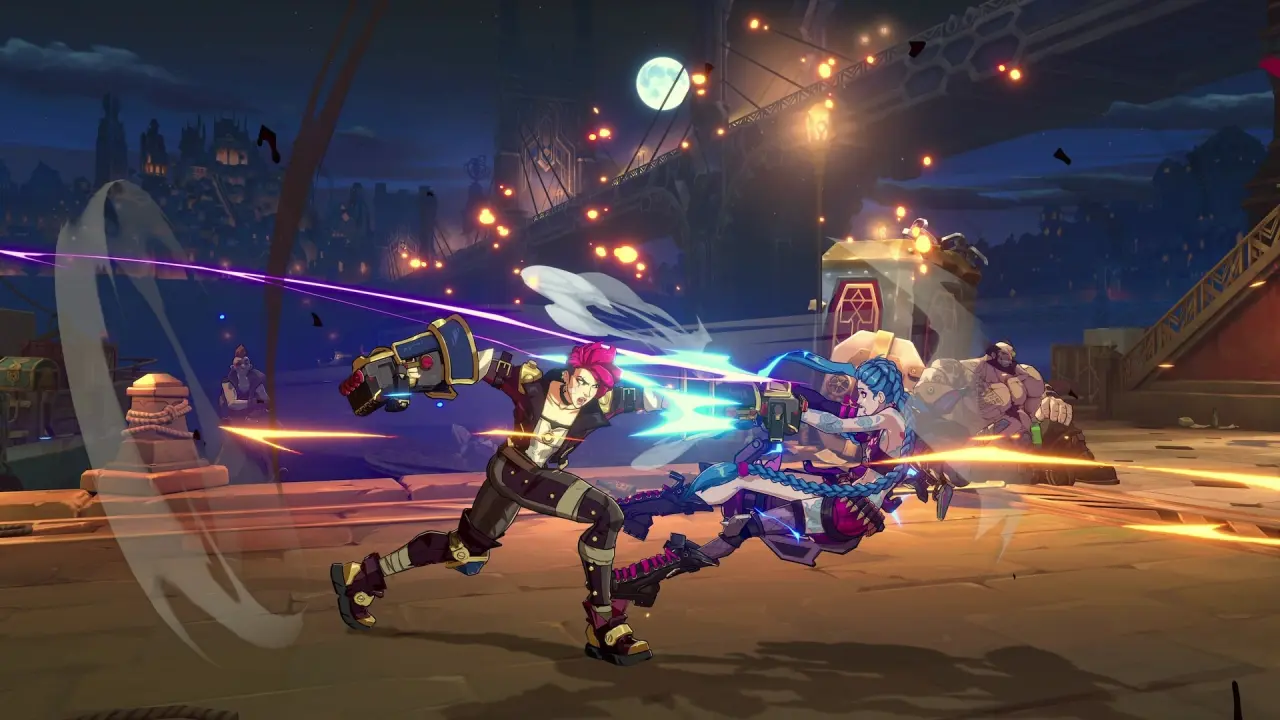
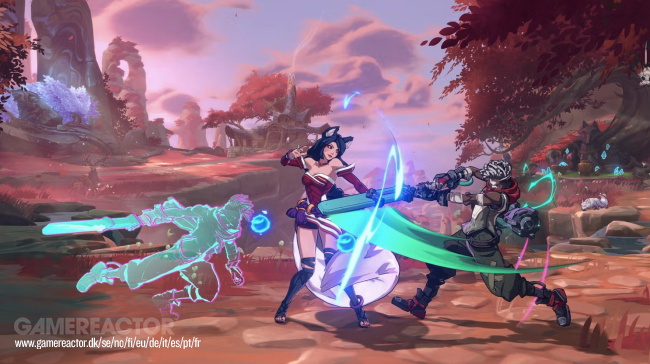
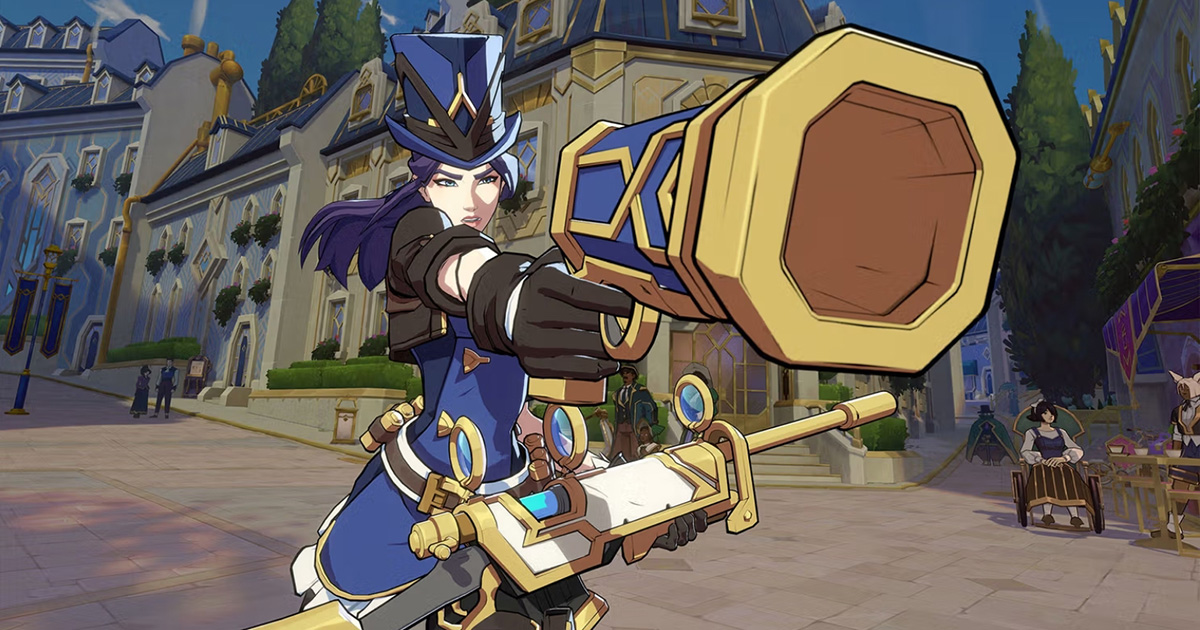
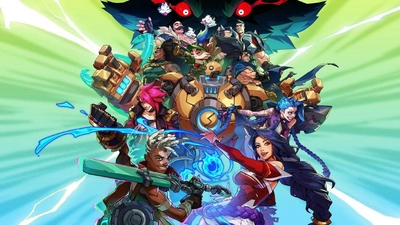
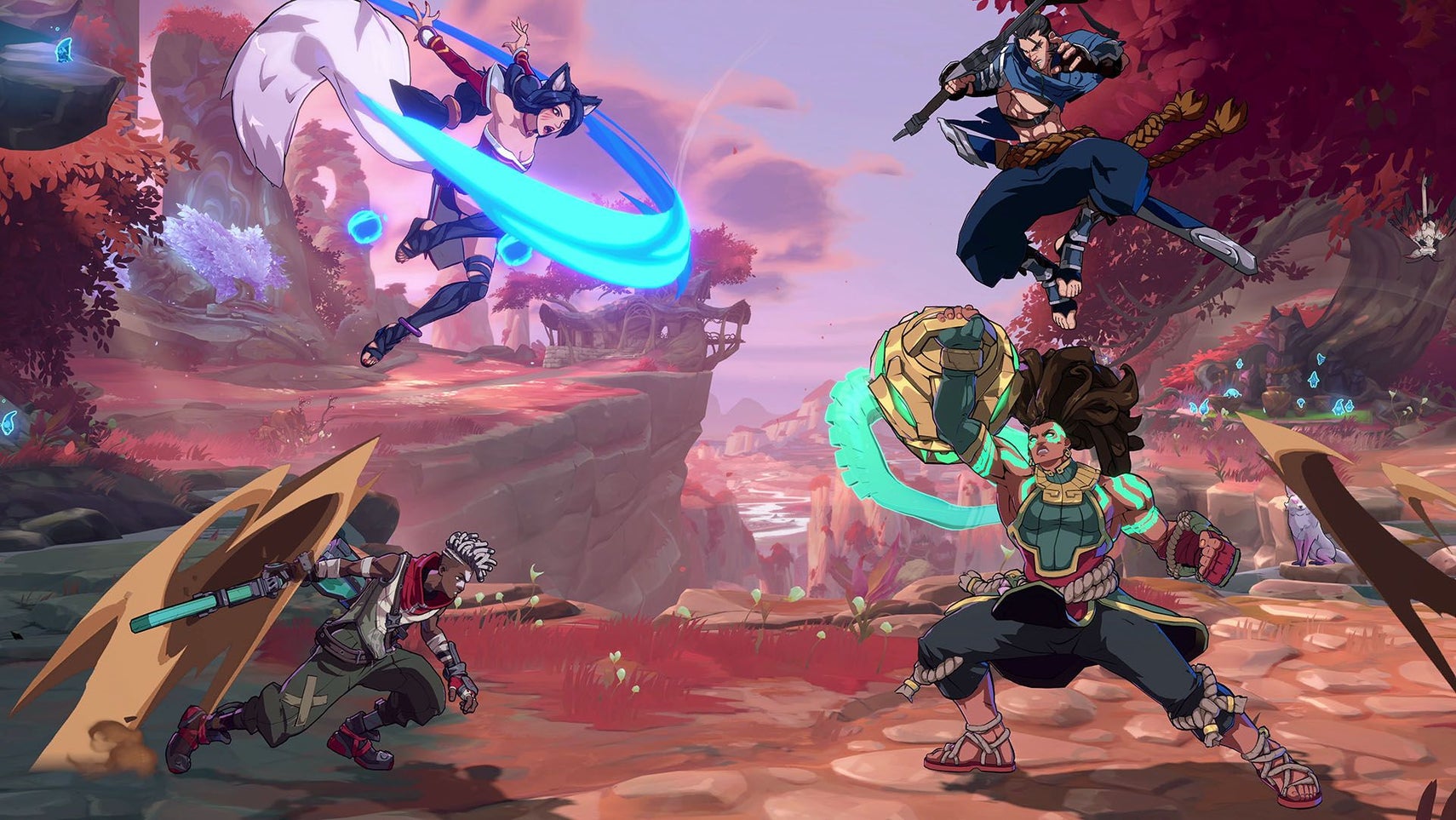
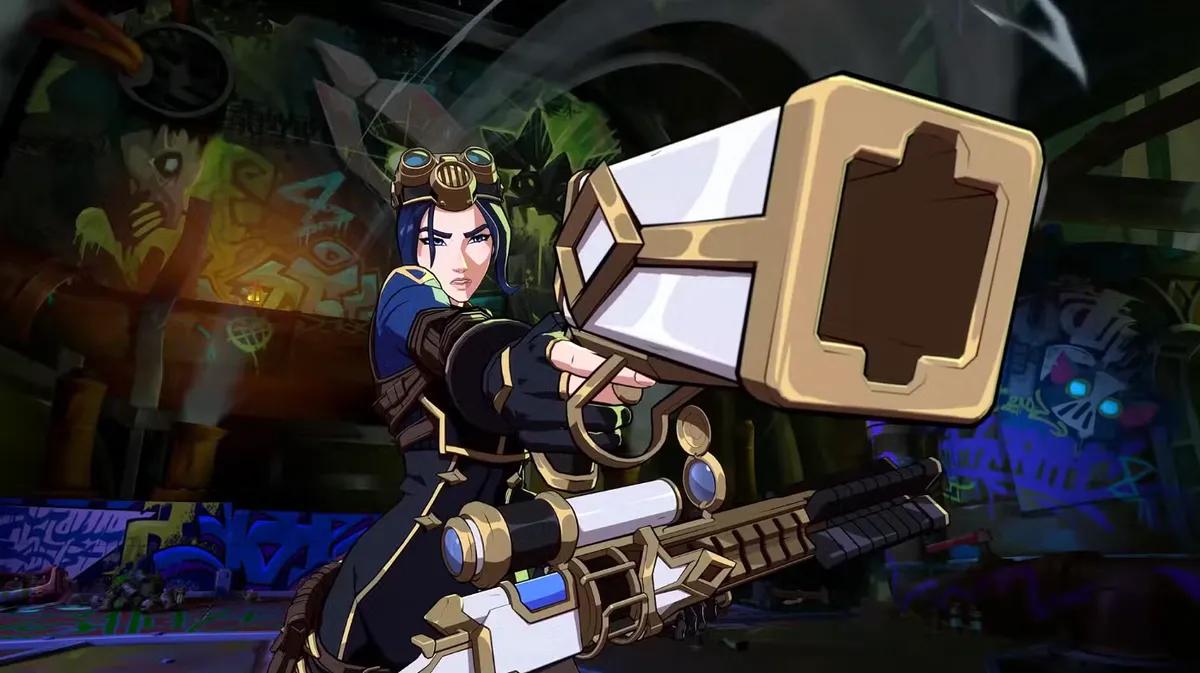
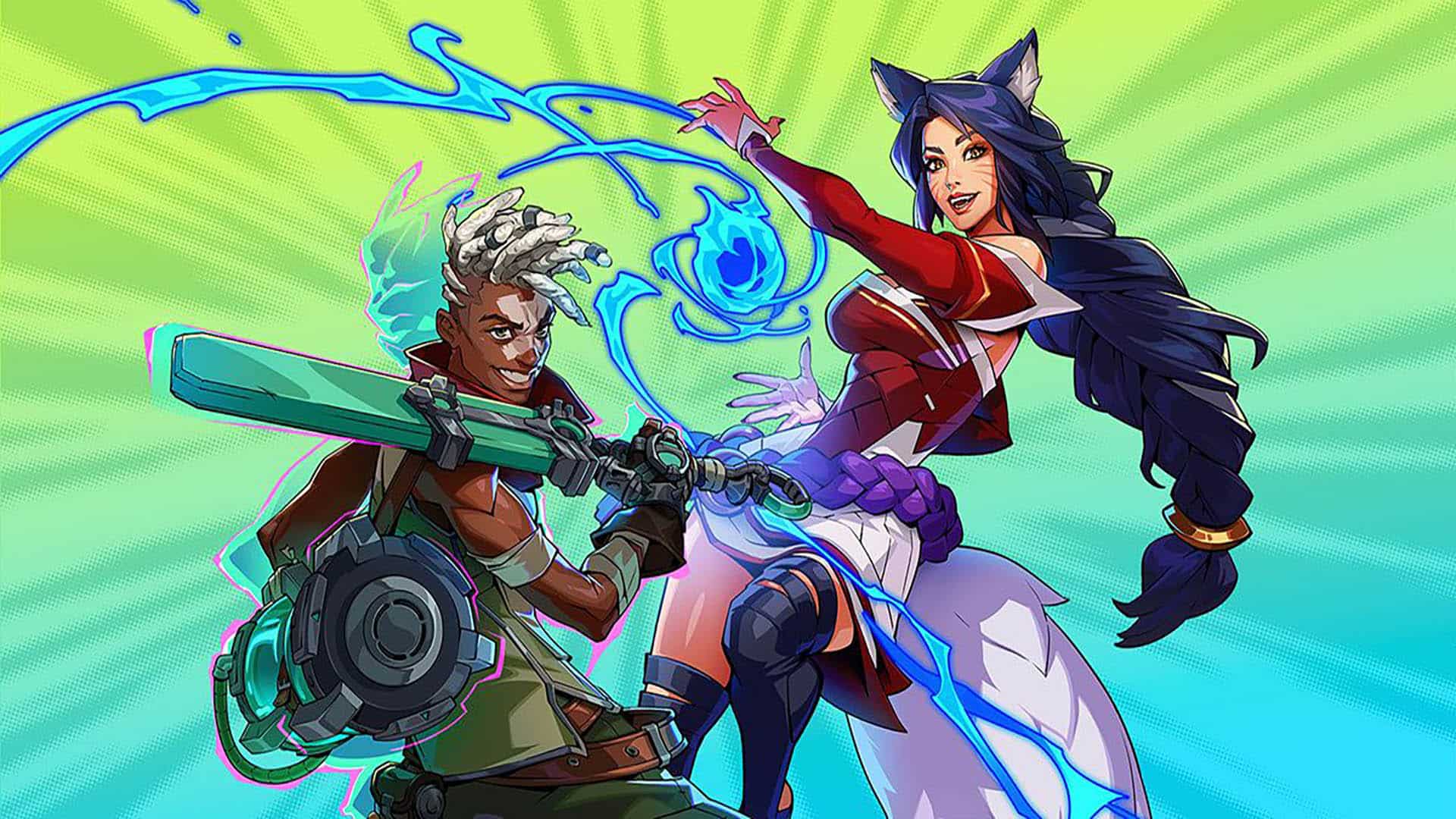
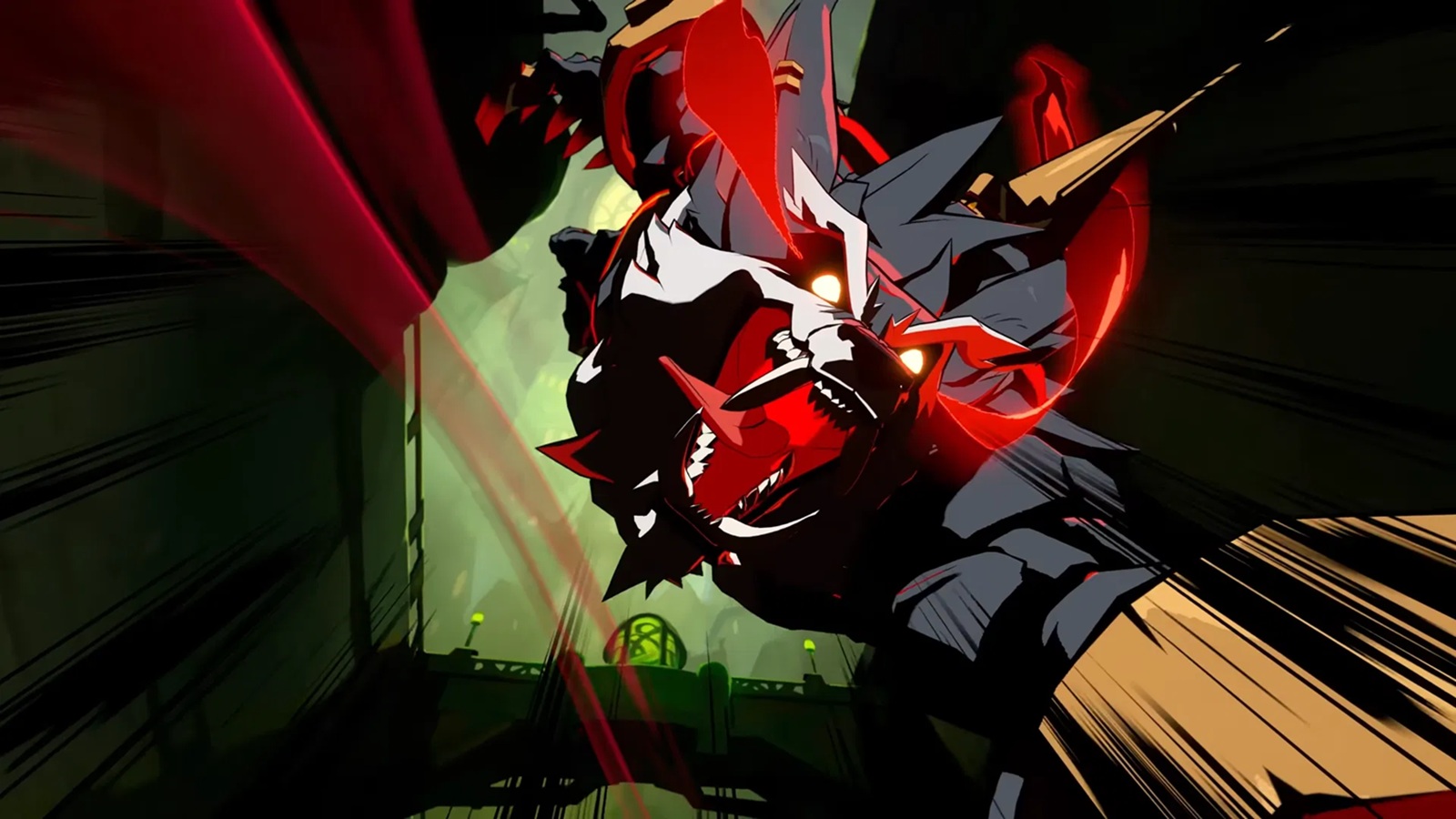
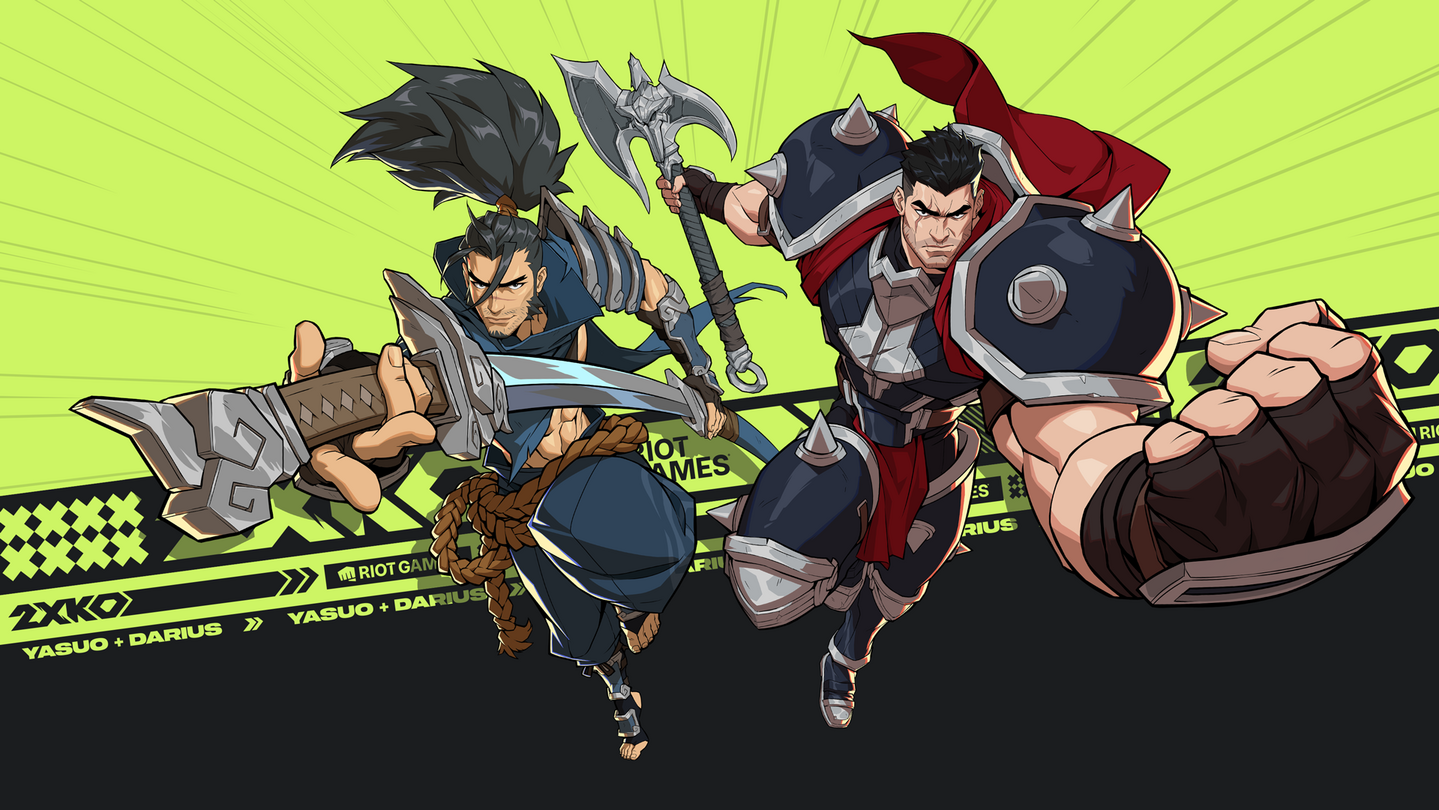
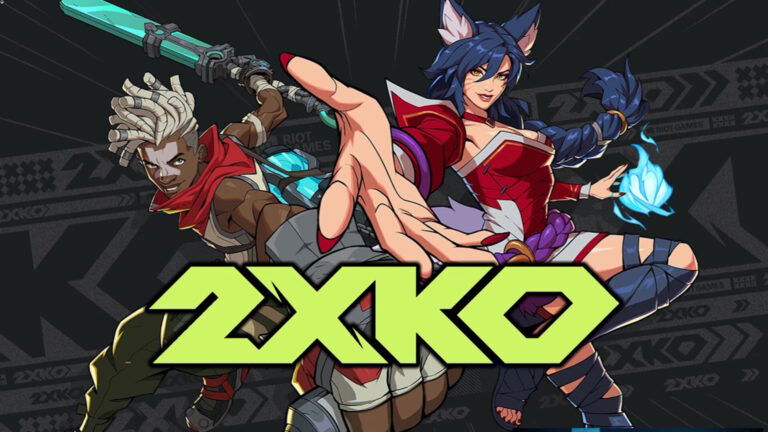
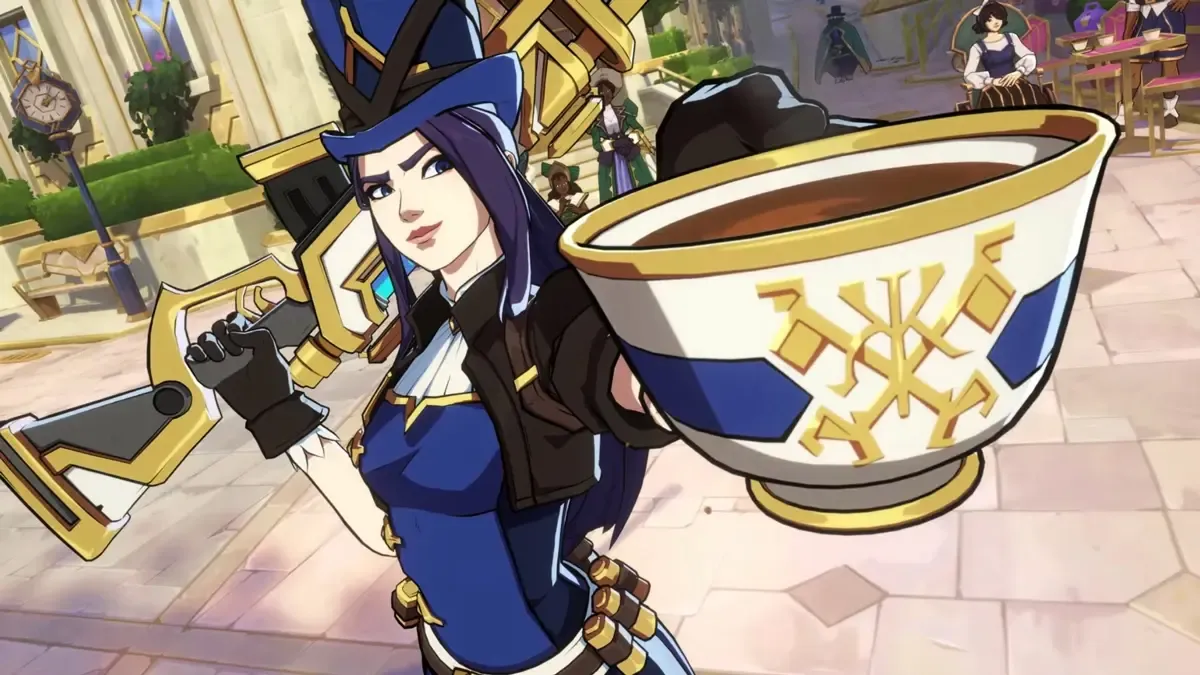
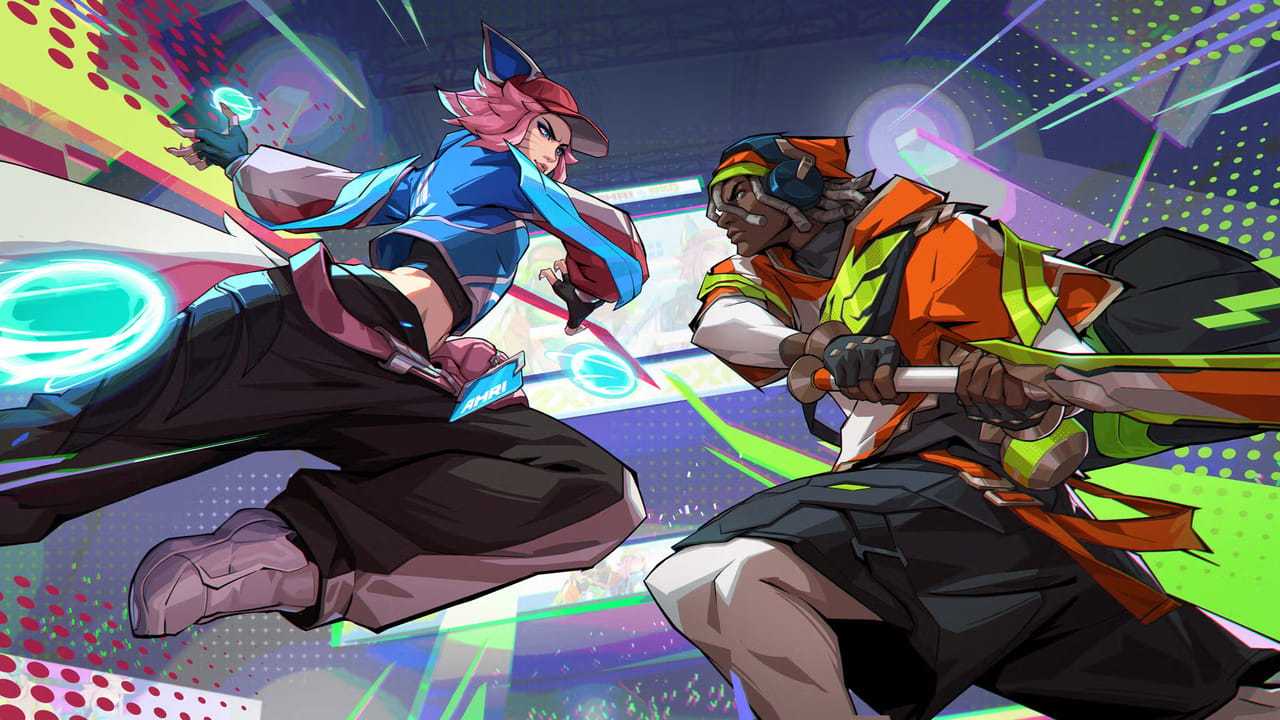
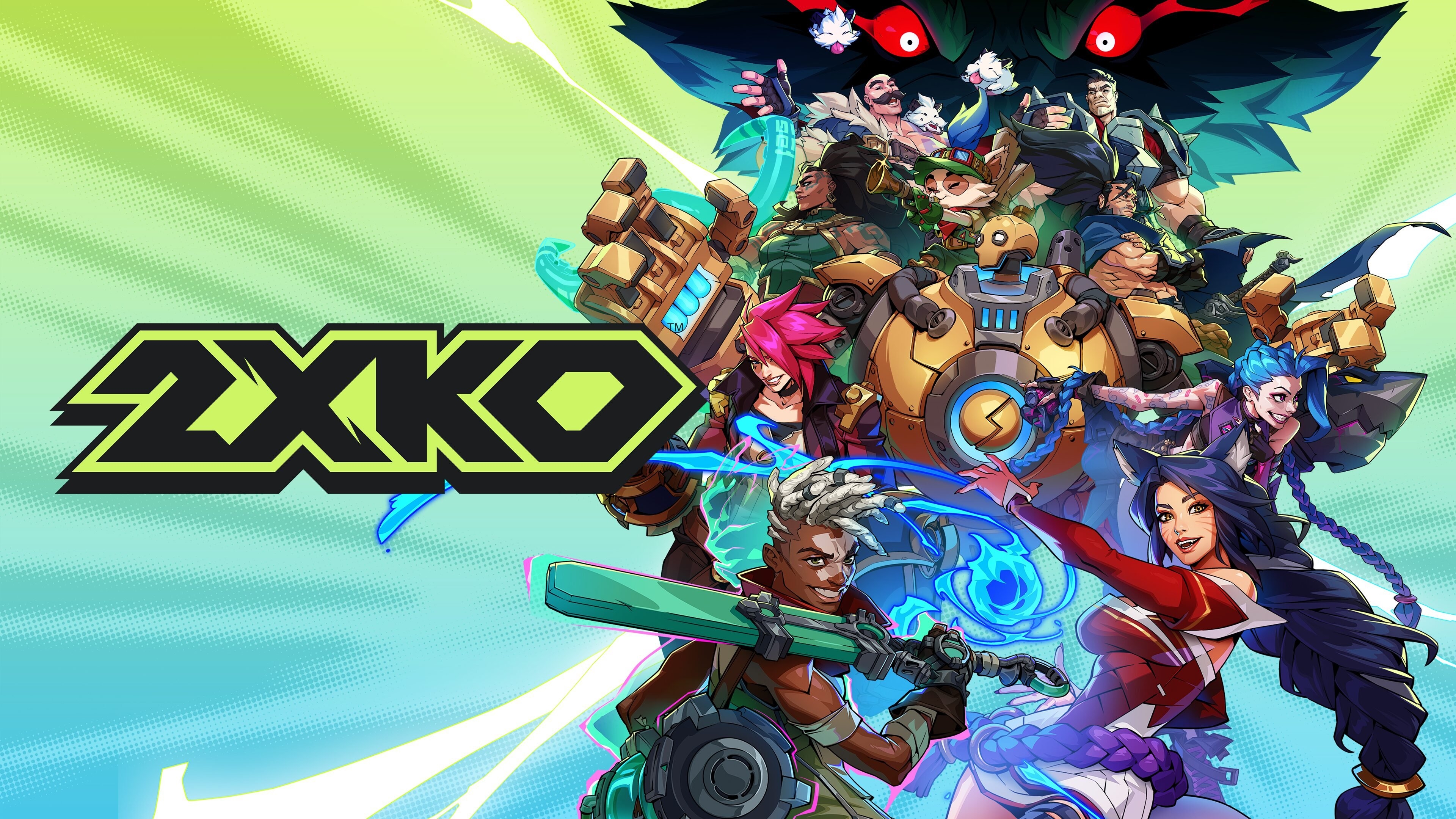
Riot Games' February 9, 2026 announcement of 80 developer layoffs (50% of 2XKO's global team) represents a critical inflection point in gaming industry economics with cascading implications for cross-border sellers. The company's decision to downsize despite a decade of development investment and January 2026 console launch reveals fundamental misalignment between player engagement metrics and publisher expectations—a pattern affecting Microsoft, Sony, and EA simultaneously in early 2026.
The operational impact extends beyond game development into adjacent e-commerce categories. 2XKO's failure to achieve projected momentum directly impacts the esports merchandise ecosystem. The game features League of Legends universe characters, positioning it within a $2.1B+ global esports merchandise market. Sellers specializing in gaming collectibles, apparel, and streaming equipment face reduced demand from a smaller, "passionate core audience" rather than the mass-market penetration Riot anticipated. The 2026 Competitive Series continuation signals esports operations remain viable, but with reduced tournament frequency and sponsorship opportunities—affecting merchandise tie-in sales windows that typically generate 40-60% of annual revenue during major competitive seasons.
Broader industry consolidation creates both risks and opportunities for sellers. Supercell's contrasting 2025 results (€2.65B revenue, -4% YoY, but +6% profit growth) demonstrate that profitability increasingly depends on ruthless cost optimization rather than growth. The company's shutdown of Squad Busters after 18 months post-launch and doubled investment in new game development signals a "hit-driven" strategy replacing steady-state live-service models. For sellers, this means: (1) Gaming merchandise categories will consolidate around 3-5 dominant titles rather than 20+ competing franchises; (2) Esports tournament calendars will become more predictable but lower-volume; (3) Gaming content creator partnerships (streaming, YouTube) will shift toward established franchises with proven retention metrics.
The severance structure (minimum 6 months pay) and internal reallocation attempts indicate Riot's commitment to responsible restructuring, but signal broader talent displacement. Approximately 80 experienced game developers entering the job market will likely pivot toward AI-assisted game development tools, mobile gaming, or adjacent tech sectors. This talent migration could accelerate indie game development and create new competitive titles—potentially fragmenting the fighting game market further and reducing 2XKO's addressable audience. For sellers, this fragmentation increases inventory risk: merchandise supporting niche fighting game titles faces lower velocity than consolidated franchises.
問題 8
What severance and talent displacement risks should sellers monitor for competitive advantage?
Riot's 6-month minimum severance for 80 developers will flood the job market with experienced game developers through August 2026. These displaced workers will likely launch indie games, join smaller studios, or pivot to AI-assisted development tools. Sellers should monitor indie game launches on Steam and itch.io during Q3-Q4 2026, as successful indie titles often generate 200-400% higher merchandise attachment rates among passionate communities. The talent displacement also signals potential acquisition targets: larger publishers may acquire indie studios at lower valuations, consolidating the market further. Sellers should reduce exposure to mid-tier franchises (likely acquisition targets) and concentrate on top-tier established titles or emerging indie hits with proven community engagement.
How does Supercell's contrasting performance (declining revenue, rising profits) affect gaming merchandise sellers?
Supercell's €2.65B revenue (-4% YoY) but +6% profit growth demonstrates that profitability comes from ruthless cost optimization, not volume growth. The company doubled investment in new game development while shutting down underperforming titles (Squad Busters lasted 18 months). For sellers, this signals: (1) Expect fewer new game launches but higher quality/retention when they do launch; (2) Merchandise for Supercell titles (Clash Royale, Brawl Stars) will remain stable but not grow; (3) Invest in established Supercell franchises rather than new launches, as the company's 'bolder risk' strategy means 50%+ failure rate for new titles. Clash Royale's record engagement metrics make it a safe merchandise bet for 2026.