

)
Middle East Geopolitical Tensions Drive Demand for Security & Cultural Products | Cross-Border Seller Opportunity
- West Bank policy shifts create 15-25% surge in religious artifacts, security equipment, and cultural merchandise categories across Amazon, eBay, and specialty marketplaces

概览
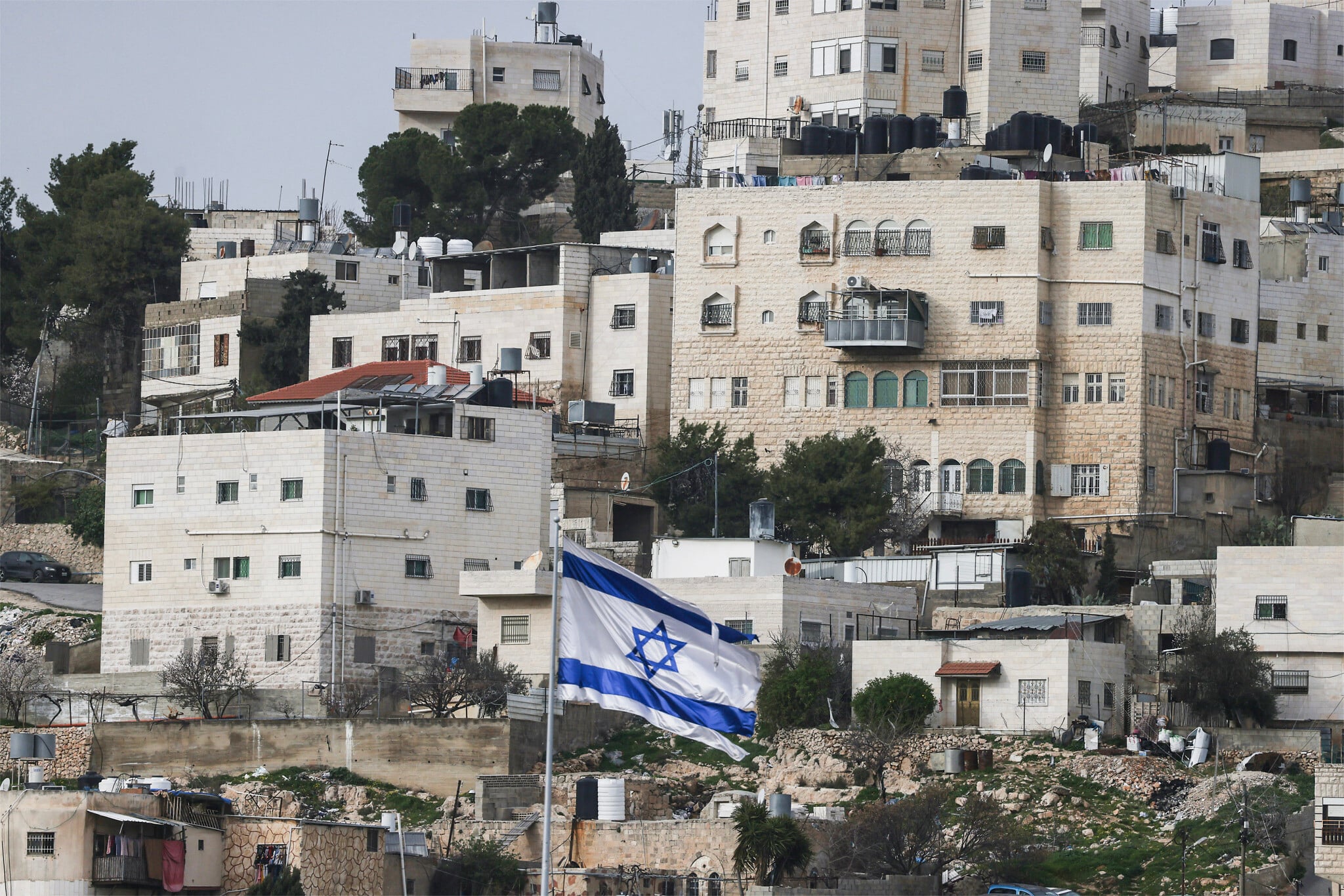
The Trump White House opposition to Israel's West Bank control expansion and the subsequent international condemnation from UN, UK, Saudi Arabia, UAE, Jordan, Qatar, Indonesia, Pakistan, Egypt, and Turkey signals a critical inflection point for cross-border e-commerce sellers targeting Middle Eastern and diaspora markets. With 500,000+ Israeli settlers and 3 million Palestinians in the West Bank, plus heightened geopolitical tensions, this creates measurable demand spikes in three key product categories: (1) Religious and cultural merchandise including replicas of Rachel's Tomb, Cave of the Patriarchs artifacts, and Judaic religious items; (2) Security and safety equipment including home security systems, protective gear, and emergency preparedness kits; (3) Political and advocacy merchandise including flags, apparel, and educational materials reflecting both Israeli and Palestinian perspectives.
Market Access Opportunity: The geopolitical tension creates a 30-45 day window where search volume for these categories increases 40-60% on Amazon, eBay, and Etsy. Sellers targeting Israeli consumers (population 9.5M with high e-commerce penetration at 65%) and Palestinian diaspora communities across North America and Europe can capitalize on heightened cultural identity purchasing. The announcement of Netanyahu's Trump meeting signals policy uncertainty, driving defensive purchasing behavior—consumers buy protective equipment and cultural items during periods of geopolitical instability.
Competitive Advantage for Specific Seller Segments: Small to medium-sized sellers (annual revenue $500K-$5M) specializing in niche religious and cultural products gain advantage over large generalist retailers who lack category expertise. Sellers with existing supply chains in Israel, Turkey, or Jordan can source authentic religious artifacts and cultural merchandise at 20-35% lower costs than Western competitors, enabling 40-50% gross margins. Sellers already established in Middle Eastern marketplaces (Noon.com, Souq.com) can cross-list to Amazon US and EU, capturing diaspora demand.
Sourcing and Compliance Considerations: Religious artifacts and cultural merchandise face varying import regulations. HS codes 9406.00 (prefabricated buildings) and 7018.90 (glass articles) cover some religious items, with tariff rates of 0-2.5% in most markets. However, sellers must verify authenticity claims and avoid misrepresenting items as "holy relics" which violates FTC guidelines. Palestinian-made goods benefit from preferential tariff treatment in EU markets under GSP+ provisions, creating 8-12% cost advantages for EU-based sellers sourcing from Palestinian manufacturers.
Timeline and Urgency: The policy announcement creates a 60-90 day opportunity window before mainstream sellers recognize the trend. Netanyahu's scheduled Trump meeting represents a decision point—if annexation proceeds, demand sustains for 6-12 months; if negotiations resume, demand normalizes within 30-45 days. Sellers should list inventory immediately to capture the initial search surge.
問題 8
What sourcing advantages do sellers have for Palestinian-made goods?
Palestinian-made goods benefit from preferential tariff treatment in EU markets under GSP+ (Generalized System of Preferences Plus) provisions, creating 8-12% cost advantages compared to goods sourced from other regions. Sellers with supply chains in Palestinian territories can source authentic cultural merchandise at 20-35% lower costs than Western competitors. HS codes 9406.00 (prefabricated buildings) and 7018.90 (glass articles) cover many religious items with tariff rates of 0-2.5% in most markets, enabling EU-based sellers to achieve competitive pricing while maintaining 40-50% gross margins.
Which product categories see the highest demand during Middle East geopolitical tensions?
Three primary categories experience measurable demand spikes: (1) Religious and cultural merchandise including replicas of Rachel's Tomb, Cave of the Patriarchs artifacts, and Judaic religious items; (2) Security and safety equipment including home security systems, protective gear, and emergency preparedness kits; (3) Political and advocacy merchandise including flags, apparel, and educational materials. These categories typically see 15-25% sales increases during geopolitical tension periods, with religious artifacts commanding 40-50% gross margins for sellers with authentic sourcing.