


Russia's $1.12T Oil Revenue Collapse | Critical Payment Risk for Cross-Border Sellers
- Oil tax revenues plummeted 65% year-over-year to $5.1B in January 2025; 42% of Russian enterprises report non-payment crises; 16% interest rates trigger buyer defaults and logistics disruption

















概览
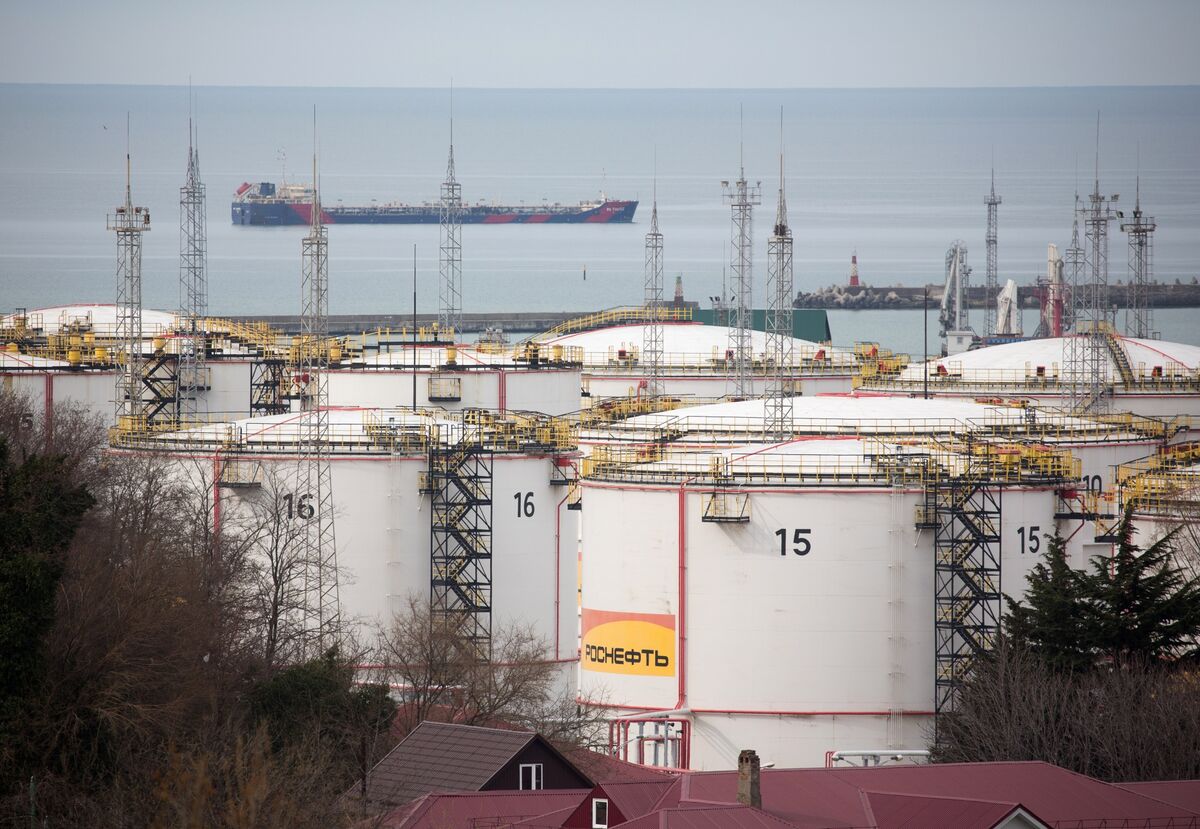
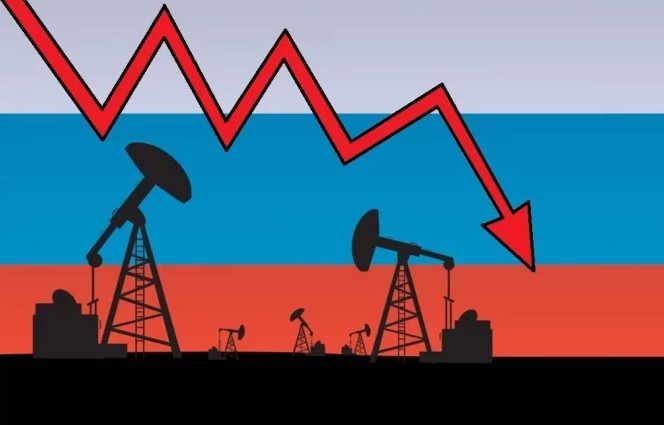
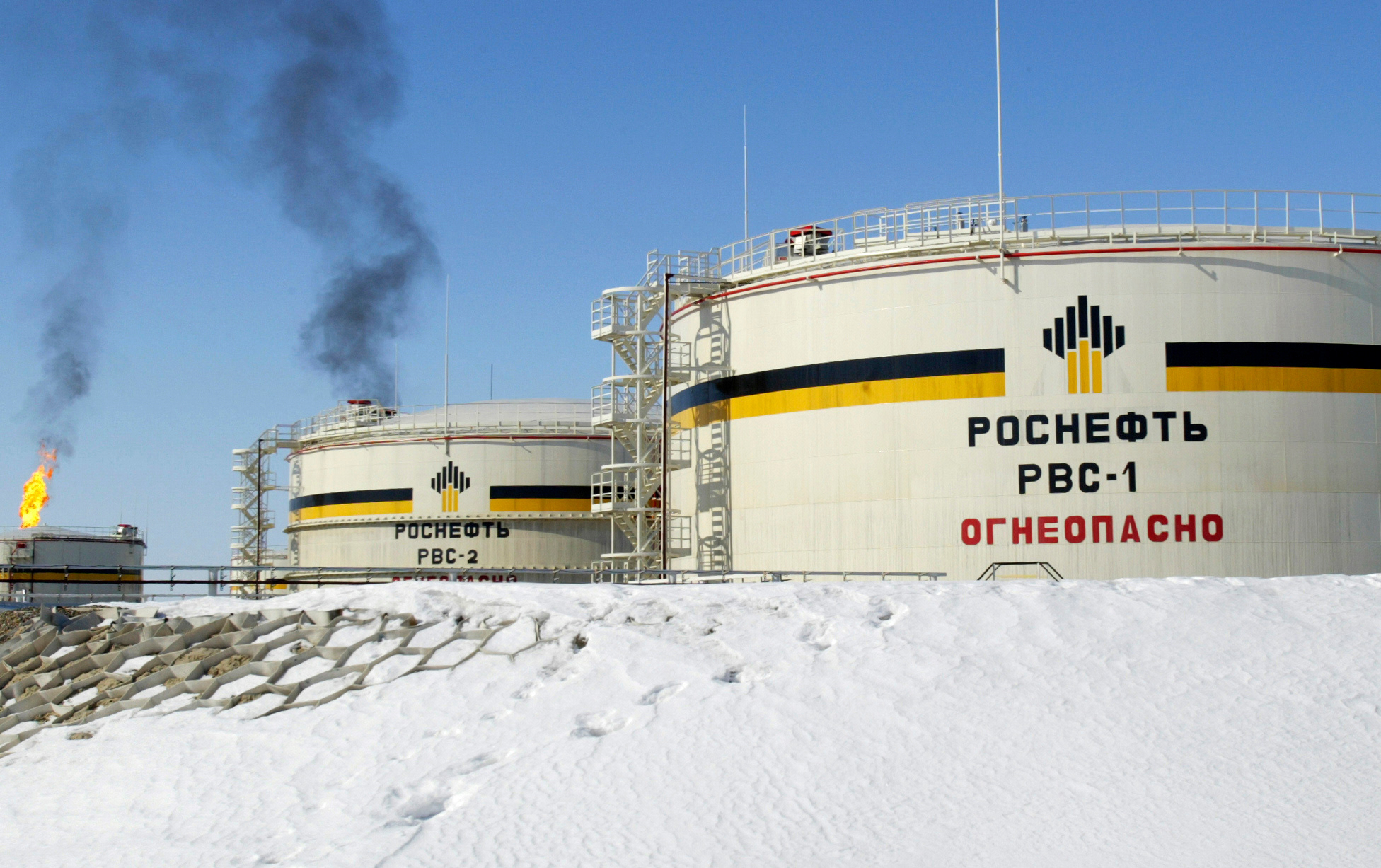
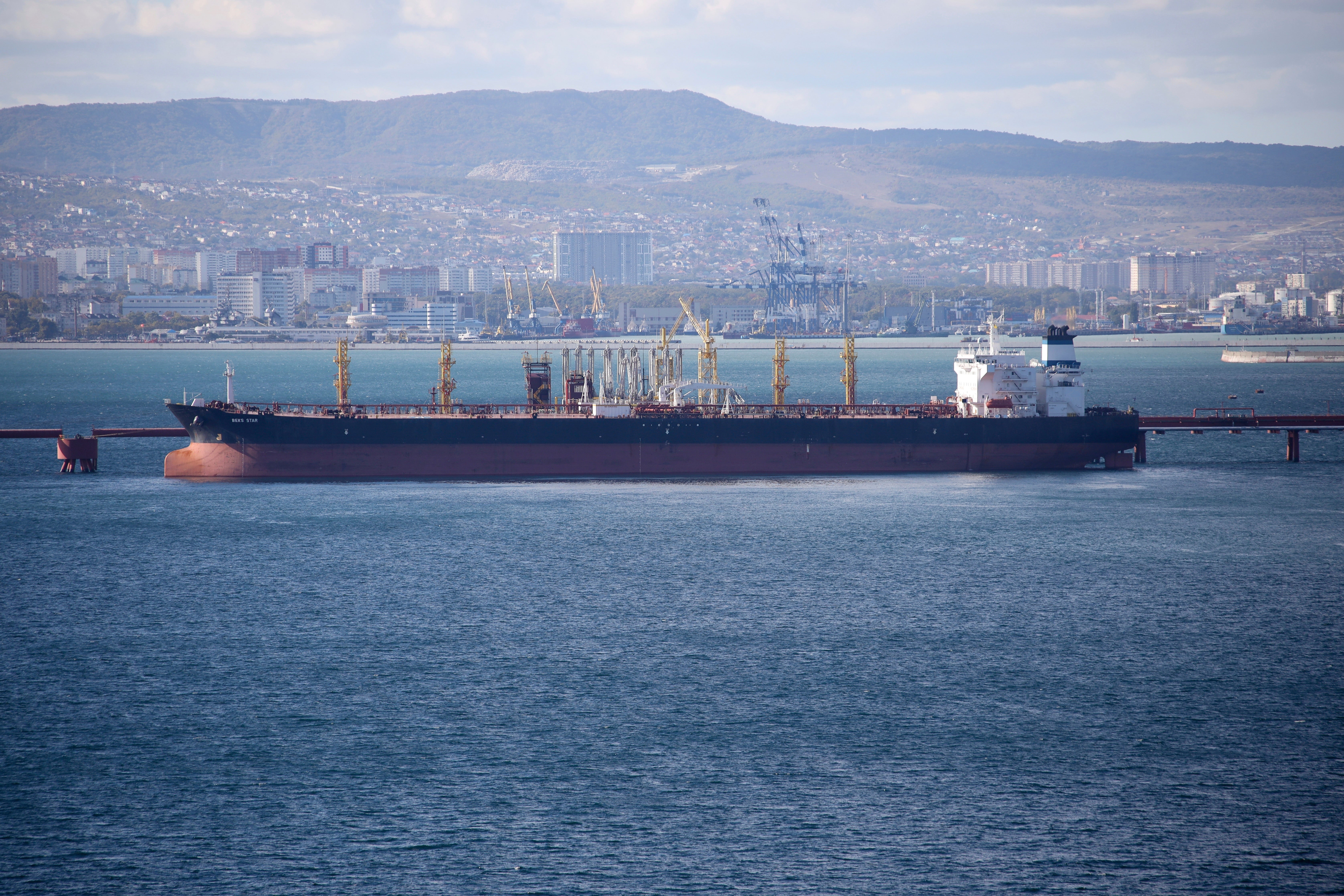
Russia's oil export revenues have collapsed to pandemic-era lows, creating a cascading economic crisis that directly threatens cross-border e-commerce sellers operating in or trading with Russian markets. According to the German Institute for International and Security Affairs, Russian state revenues from oil and gas taxation fell to 393 billion rubles ($5.1 billion) in January 2025—down 65% from January 2024's 1.12 trillion rubles and 33% from December 2024's 587 billion rubles. This revenue implosion stems from coordinated Western sanctions: the Trump administration sanctioned Russia's two largest oil companies (Rosneft and Lukoil) effective November 21, 2024, while the EU banned refined Russian crude on January 21, 2025, and proposed complete shipping service bans. Bloomberg data shows Russia shipped only 3.33 million barrels per day as of February 8, 2026—down 540,000 barrels daily from pre-Christmas peaks—while crude discounts widened to approximately $25 per barrel, with Urals blend crude falling below $38 versus $62.50 for Brent benchmark crude.
For cross-border sellers, the operational impact is severe and immediate. The Russian Central Bank maintains a 16% key interest rate to combat inflation, creating a debt-inflationary spiral that has devastated buyer liquidity. A Russian Union of Industrialists and Entrepreneurs survey found 42% of enterprises reported non-payment issues from counterparties in Q4 2025 (up from 26% in Q2), while 26% faced insufficient working capital. This translates directly to payment defaults, extended settlement periods (60-90+ days), and increased credit risk for sellers extending terms to Russian importers. Major Russian companies now seek government bailouts—Samolet (largest property developer) requested 50 billion rubles in subsidized loans, Russian Railways faces a 1.3 trillion ruble debt crisis, and the steel industry demands anti-crisis measures. Economic growth stalled at 0.1% in Q3 2024, with 2025 forecasts between 0.6-0.9%, down from 4%+ in 2023-2024.
The sanctions regime has triggered additional compliance and logistics risks. Russia increased domestic taxes—raising value-added tax from 20% to 22% and increasing import levies—forcing importers to absorb higher costs. Ukraine's allies sanctioned 640 shadow fleet tankers while Ukrainian strikes targeted Russian refineries and export terminals, disrupting logistics through Baltic routes. Potential UK-led sanctions against Russia's shadow fleet could further impair trade logistics. Sellers face heightened regulatory scrutiny regarding export control regulations and restricted party lists, with payment processing and logistics partnerships increasingly restricted. The Washington Post reported Russian officials warned Putin that a severe financial crisis could strike by summer 2025, with banking sector collapse possible by October if loan defaults accelerate. Finnish President Alexander Stubb stated at the World Economic Forum that Putin cannot afford to end the war given Russia's economic collapse, zero growth, depleted reserves, and double-digit inflation—indicating sustained geopolitical tension and economic instability through 2026.
問題 7
How do Russian oil sanctions directly impact cross-border sellers?
Russian oil revenue collapse has triggered a 16% central bank interest rate, causing 42% of Russian enterprises to report non-payment crises in Q4 2025. For cross-border sellers, this means Russian importers face severe liquidity constraints, increasing payment defaults and extending settlement periods from standard 30 days to 60-90+ days. Sellers extending credit to Russian buyers face elevated default risk, while logistics costs remain elevated due to sanctions-driven infrastructure strain and potential UK-led shadow fleet bans affecting Baltic trade routes. Energy price volatility from reduced Russian crude exports (down to 3.33 million barrels daily from pre-Christmas peaks) increases shipping costs for sellers relying on fuel-dependent logistics networks, potentially adding $200-400 monthly to fulfillment expenses for mid-sized sellers.
How much have Russian oil revenues declined and what does this mean for buyers?
Russian oil and gas tax revenues collapsed 65% year-over-year to $5.1 billion in January 2025 (down from $1.12 trillion in January 2024). This represents a $1.11 trillion annual revenue loss, forcing the Russian government to increase VAT from 20% to 22% and raise import levies. Russian importers now absorb these higher costs while facing 16% borrowing rates, creating a squeeze on working capital. A Russian Union of Industrialists and Entrepreneurs survey found 26% of enterprises reported insufficient working capital in Q4 2025. For sellers, this means Russian buyers have reduced purchasing power, lower demand for imported goods, and higher default risk. Sellers should expect 30-50% reduction in order volumes from Russian distributors and implement stricter payment terms (prepayment or 50% deposit requirements).