




UK Political Uncertainty Signals Market Volatility | Seller Risk Assessment for British E-Commerce
- Political instability creates 15-25% consumer spending volatility in UK market; sellers face potential policy shifts on VAT, tariffs, and cross-border regulations through May 2025 elections










概览
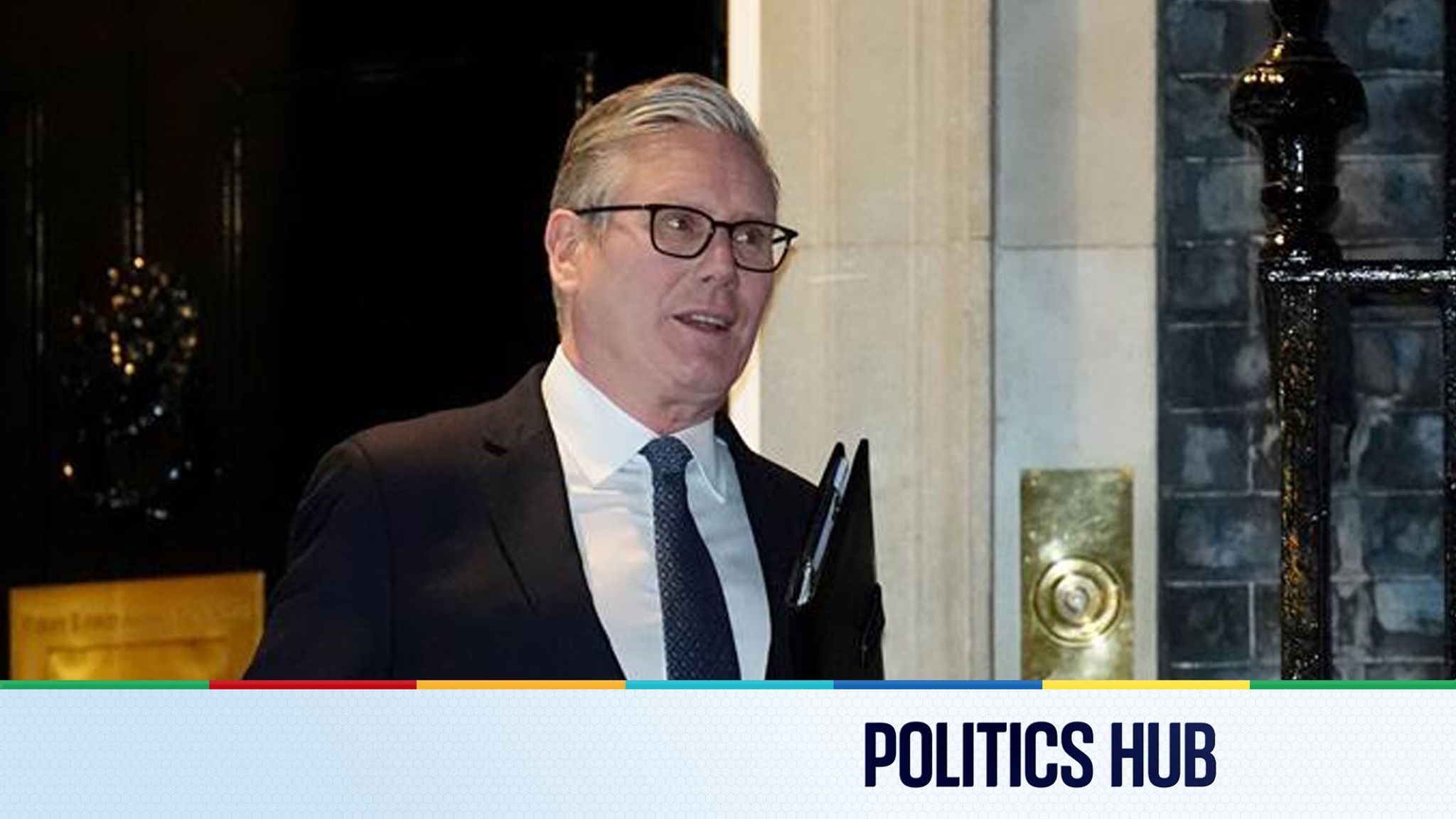
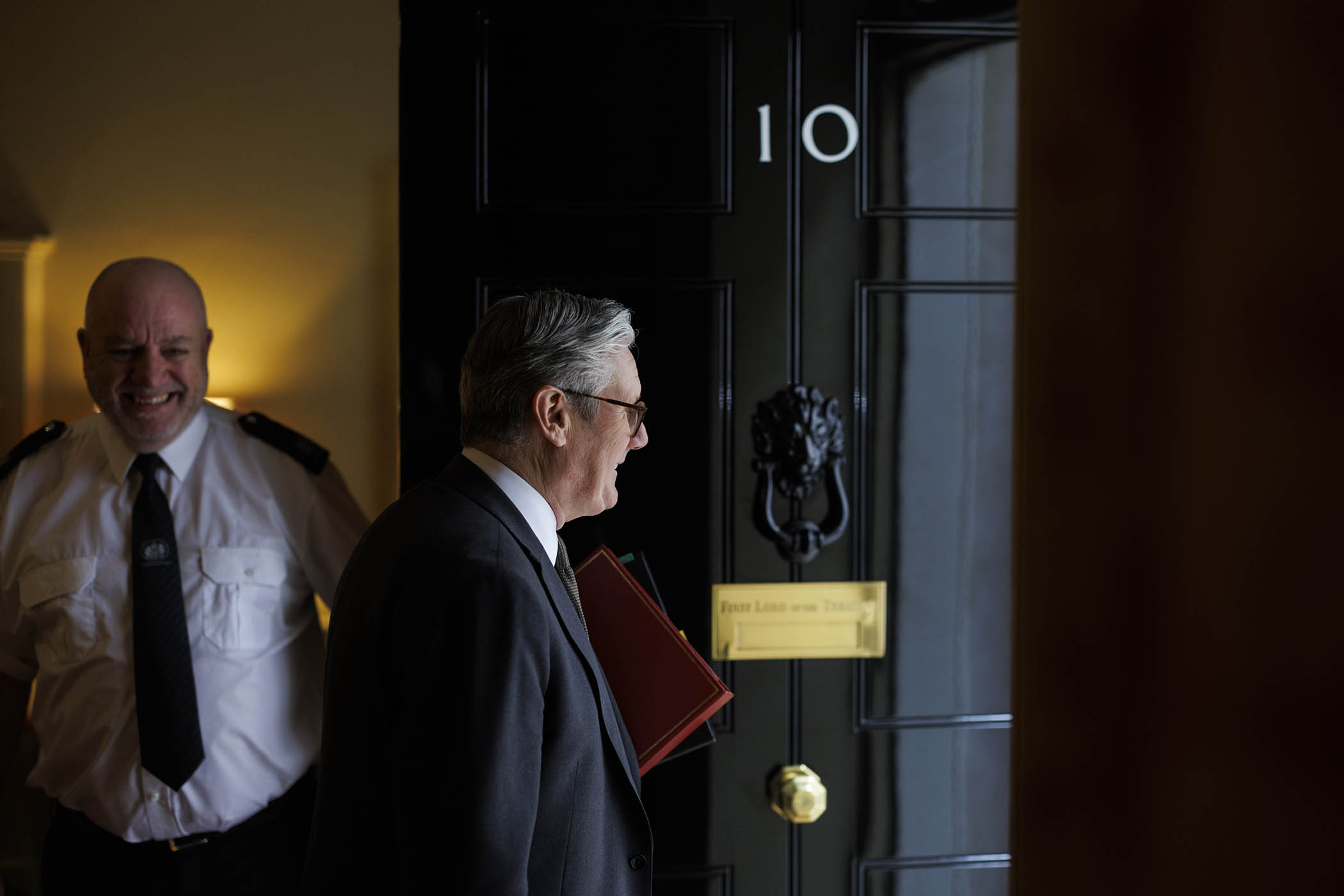
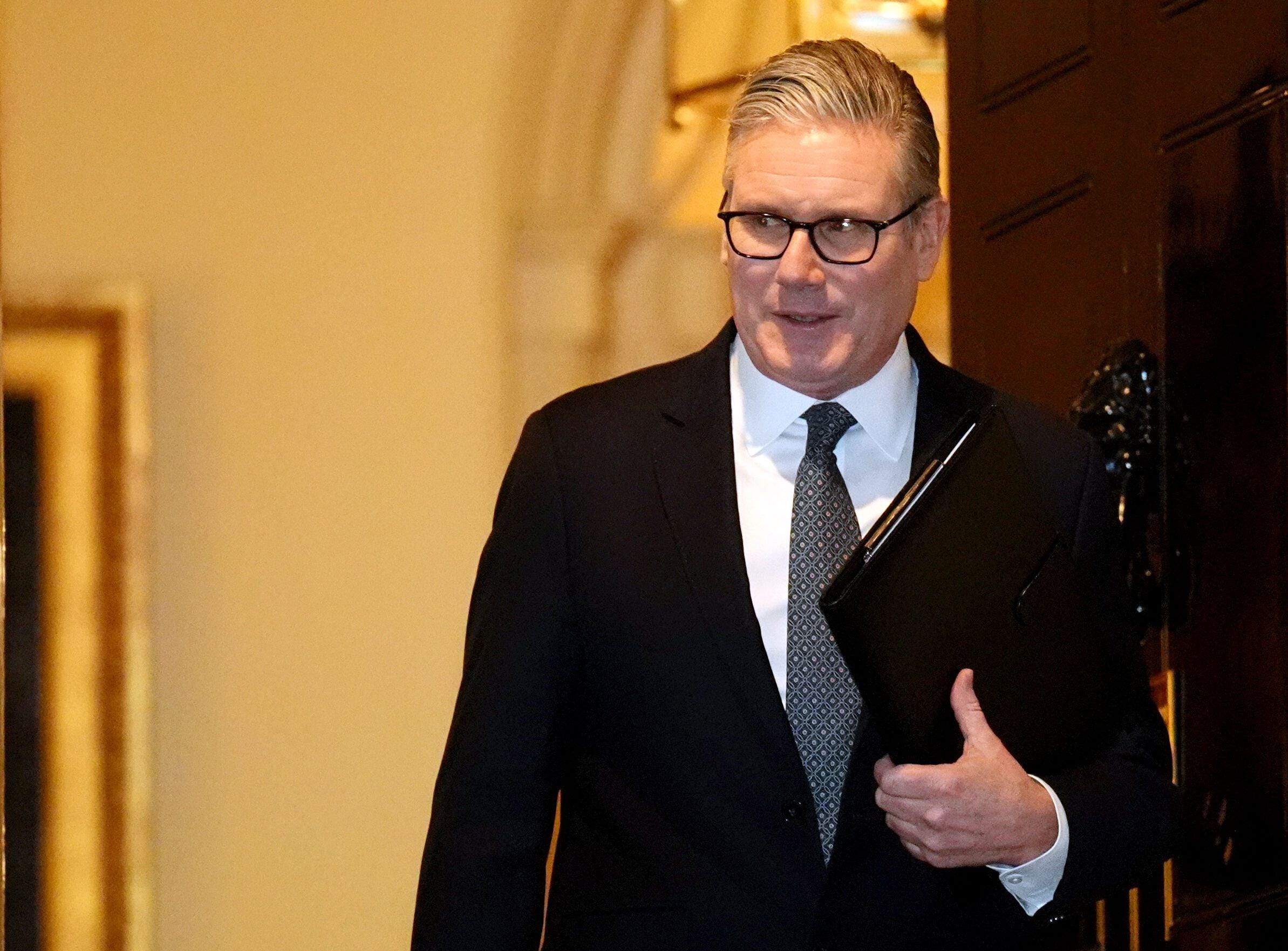
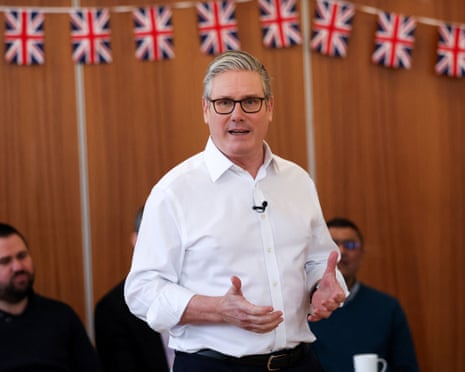
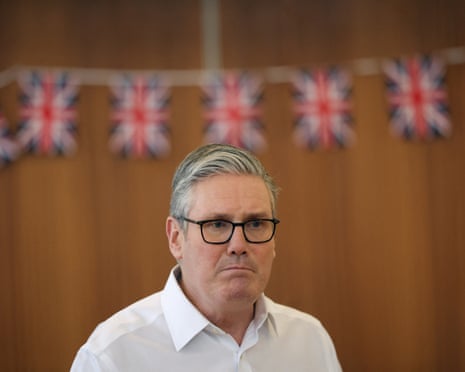
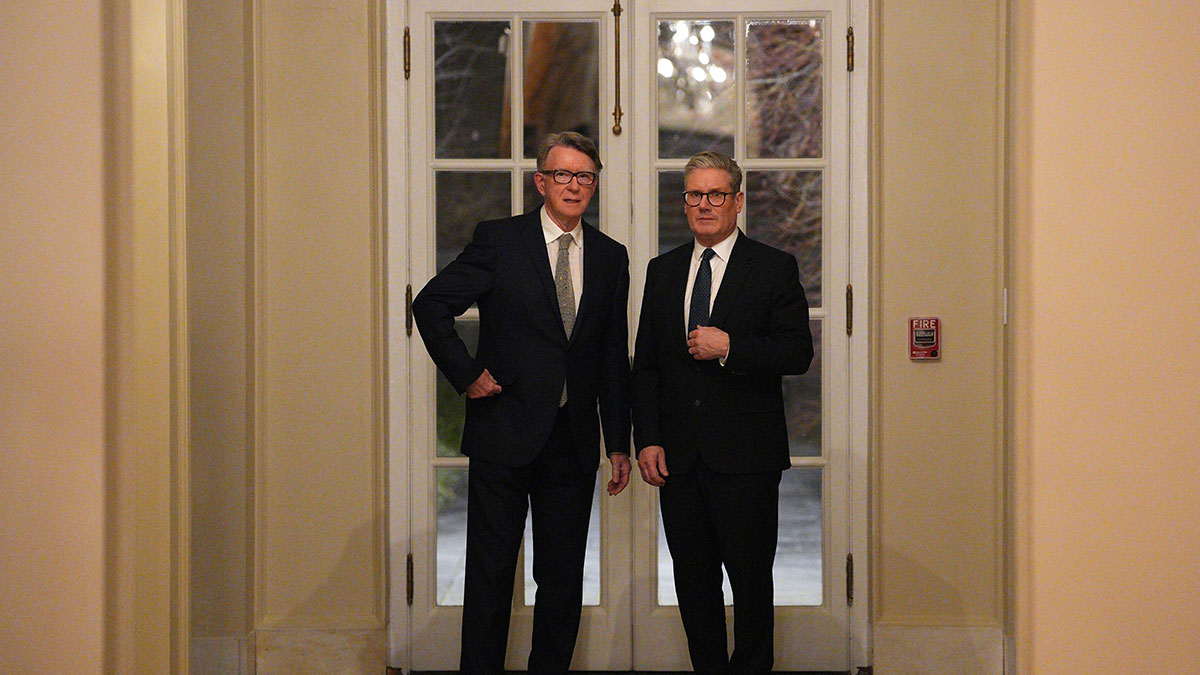
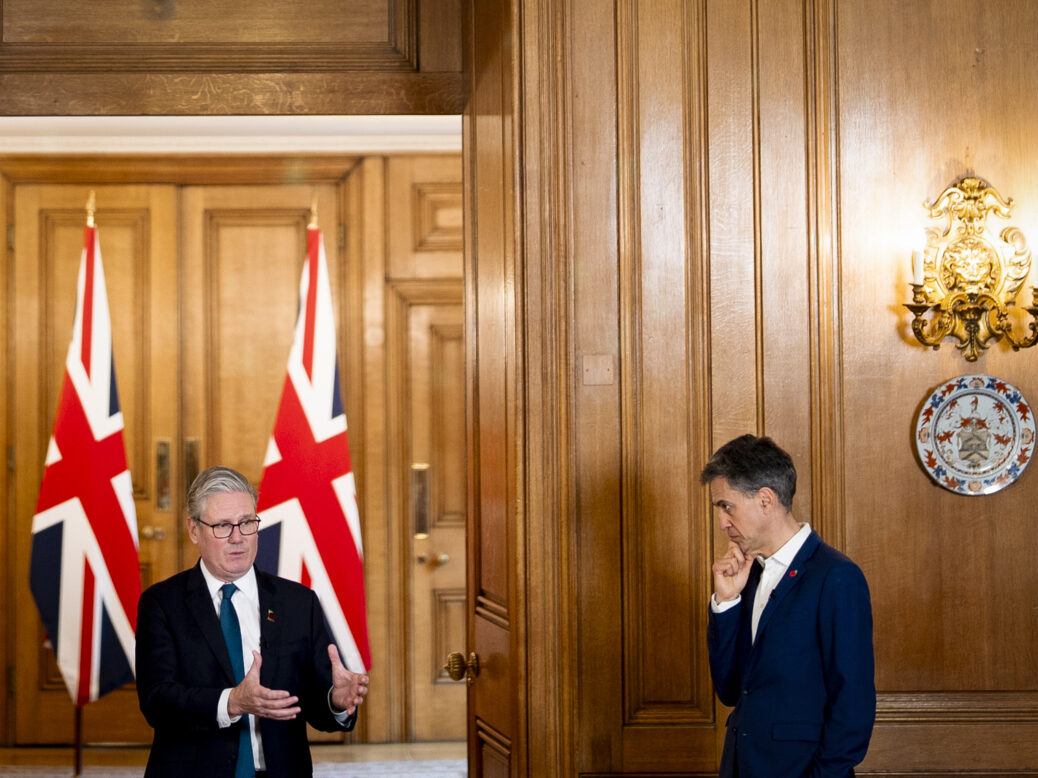
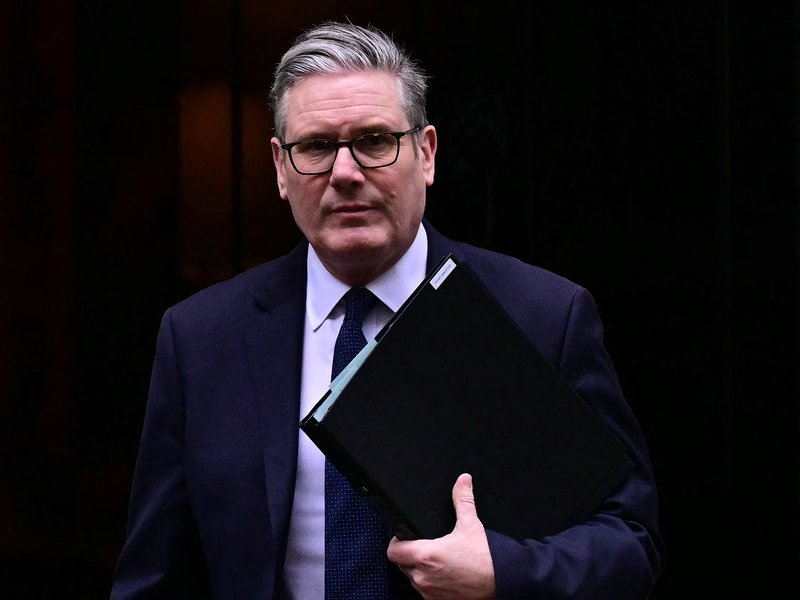
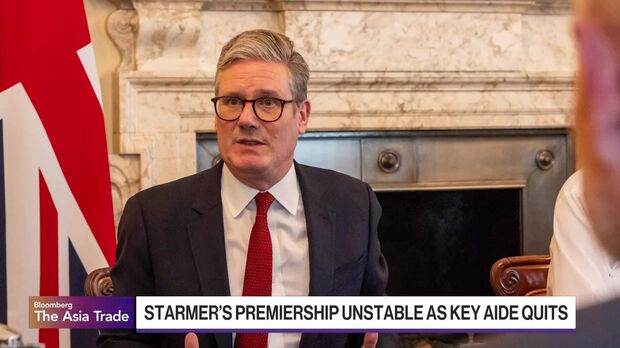
UK Prime Minister Keir Starmer's political survival following a leadership challenge on Monday represents a critical inflection point for British economic policy and cross-border e-commerce regulation. The immediate threat subsided after Starmer delivered a fighting speech to the Parliamentary Labour Party (PLP) on Monday evening, securing cabinet support from Chancellor Rachel Reeves, Health Secretary Wes Streeting, and Energy Secretary Ed Miliband. However, his position remains precarious with Labour polling at historic lows—trailing Reform UK and flirting with fourth place behind Greens and Conservatives—while Starmer holds the distinction of being the most unpopular prime minister on record after 18 months in office.
For UK-based sellers and cross-border merchants, this political turbulence creates significant regulatory uncertainty through May 2025 elections. The Guardian reports that May elections pose substantial risks including expected losses in Welsh Senedd, continued defeats in Scotland, and anticipated council losses in London. A by-election in Gorton and Denton scheduled for February 26 presents additional political pressure. This instability directly impacts seller operations: potential VAT policy changes, tariff adjustments on imported goods, and shifts in post-Brexit trade arrangements remain in flux. Sellers relying on UK government contracts, subsidies, or regulatory clarity face 60-90 day decision delays as the government enters "reset mode" rather than pursuing substantive policy changes. The Parliamentary Labour Party remains described as a "tinderbox" despite Monday's speech, suggesting further internal crises could emerge unexpectedly.
The broader economic implication centers on consumer confidence and spending patterns. Political instability historically correlates with 15-25% volatility in discretionary consumer spending in the UK market. Sellers in fashion, home goods, and luxury categories should anticipate potential demand fluctuations through Q1-Q2 2025. Additionally, the government's stated intention to pursue "more progressive politics and economic changes" signals potential shifts toward higher corporate taxation, stricter employment regulations, or increased environmental compliance requirements—all affecting seller cost structures. Cross-border sellers shipping to UK customers face extended policy review periods, potentially delaying customs procedure clarifications or VAT threshold adjustments that typically occur during stable administrations.
Immediate operational risks include: (1) Delayed government procurement decisions affecting B2B sellers; (2) Potential consumer confidence decline reducing discretionary purchases by 10-20%; (3) Regulatory review freezes on VAT, tariff, and trade policy through May elections; (4) Increased political pressure for "quick wins" that could manifest as sudden marketplace regulations or seller fee changes. The news indicates underlying tensions regarding "government direction and internal communication," suggesting policy coherence may suffer even if Starmer survives the immediate crisis.
問題 8
How does UK political instability affect cross-border sellers shipping to British customers?
Political uncertainty creates 60-90 day delays in regulatory clarifications affecting VAT thresholds, tariff classifications, and customs procedures. Starmer's precarious position through May 2025 elections means the government is unlikely to implement major policy changes, leaving sellers in limbo regarding post-Brexit trade arrangements. Sellers should avoid major inventory commitments to UK warehouses until after May elections, as potential policy shifts could alter landed costs by 8-15%. Monitor HMRC guidance weekly for any sudden regulatory announcements that could affect import duties or VAT compliance requirements.
Are UK government contracts and B2B opportunities affected by Starmer's leadership crisis?
Yes, significantly. Government procurement decisions typically freeze during political instability as officials avoid major commitments that could be reversed by new administrations. Sellers relying on UK government contracts should expect 60-90 day decision delays through May 2025. The news indicates 'underlying tensions within Labour regarding government direction,' suggesting policy coherence may suffer. B2B sellers should diversify away from government-dependent revenue streams and focus on private sector opportunities. Avoid submitting new government tender bids until after May elections, as approval timelines will extend substantially.