


Northeast Corridor Rail Crisis | 200K Daily Commuters Stranded, E-Commerce Logistics at Risk
- Overhead wire failures halt Amtrak/NJ Transit service between NYC-Philadelphia; $16B Gateway Tunnel project funding frozen; sellers face 60+ minute delays, inventory distribution disruptions, and supply chain uncertainty through Q2 2026










概览
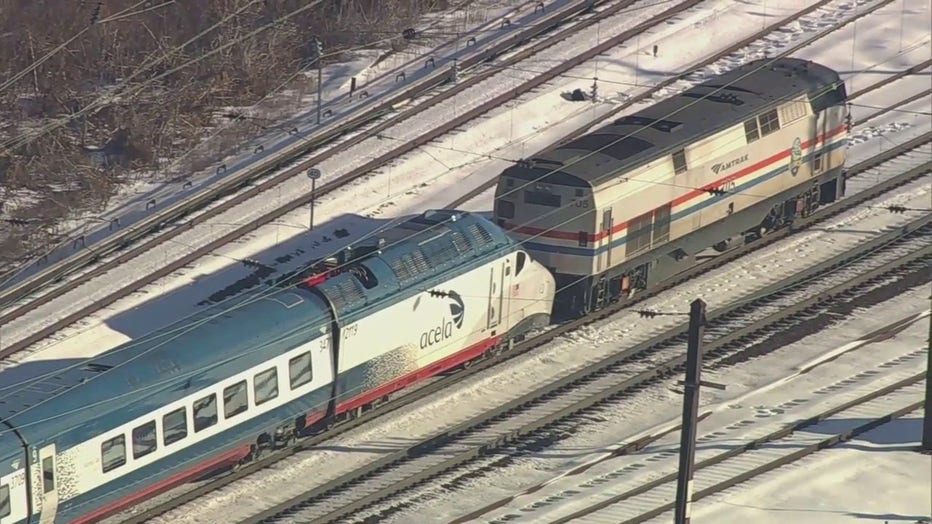
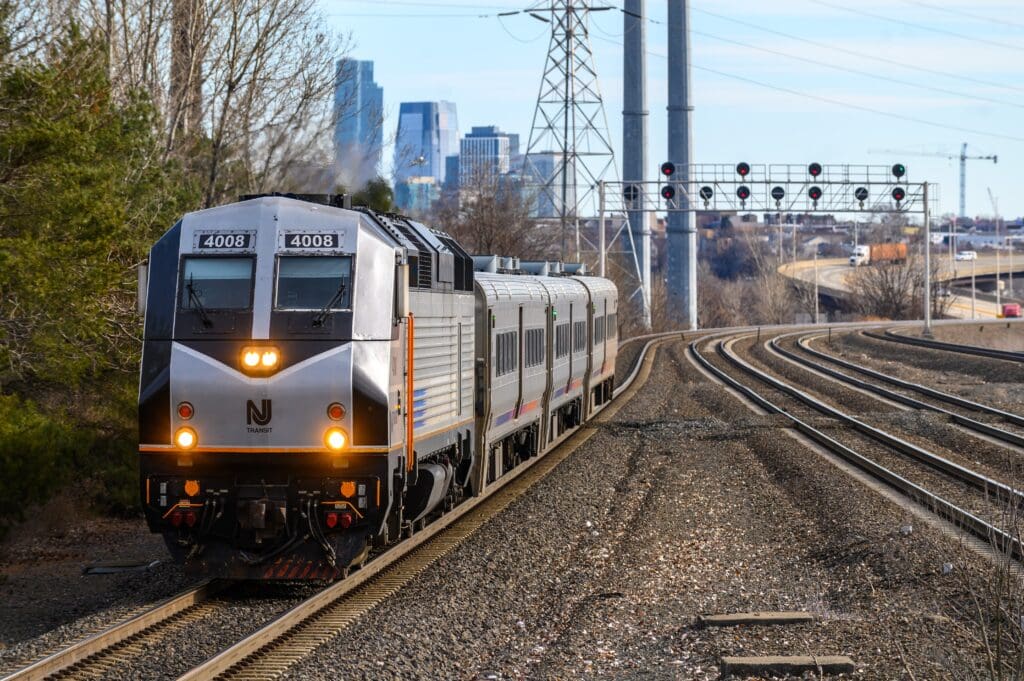
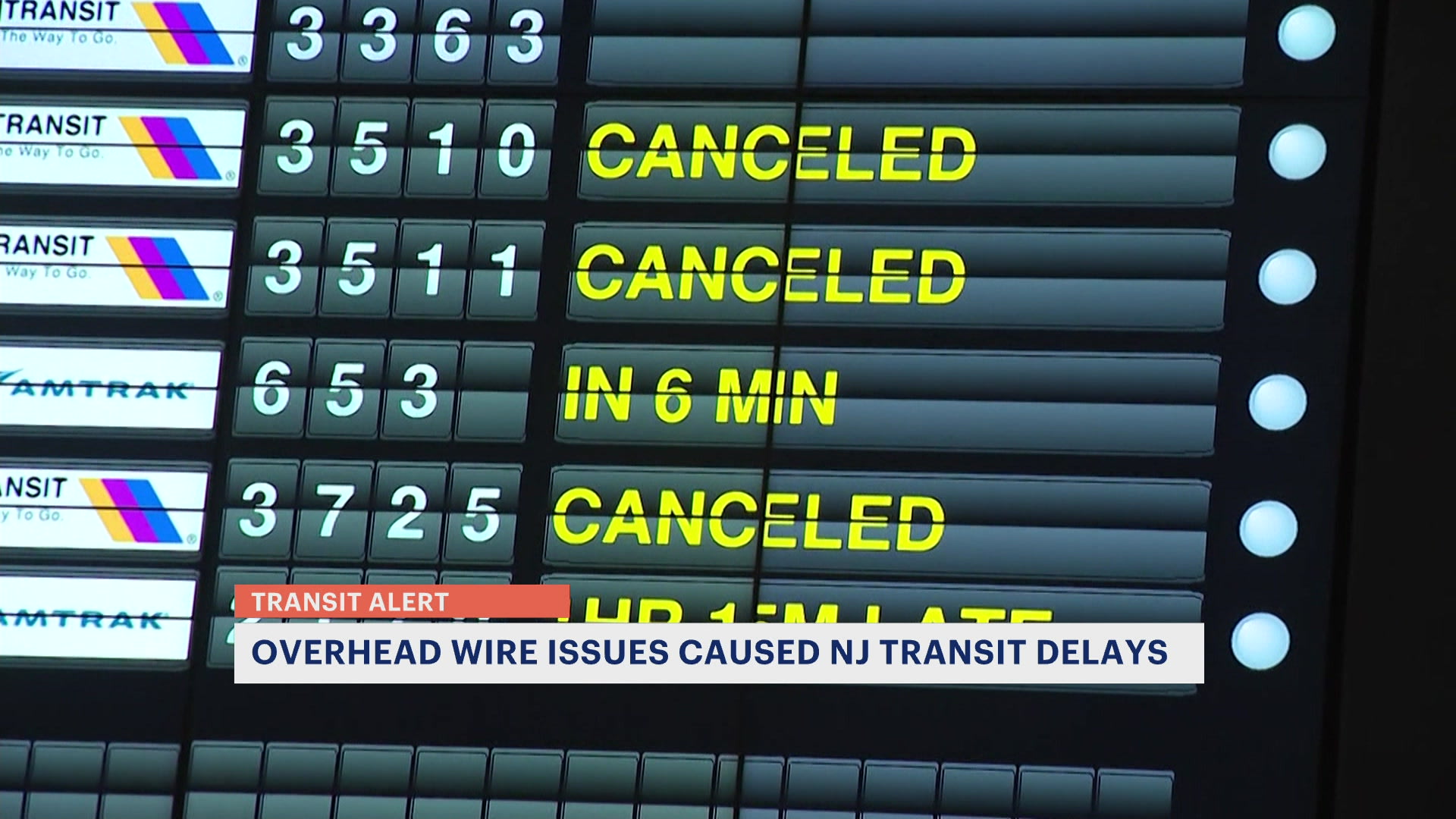
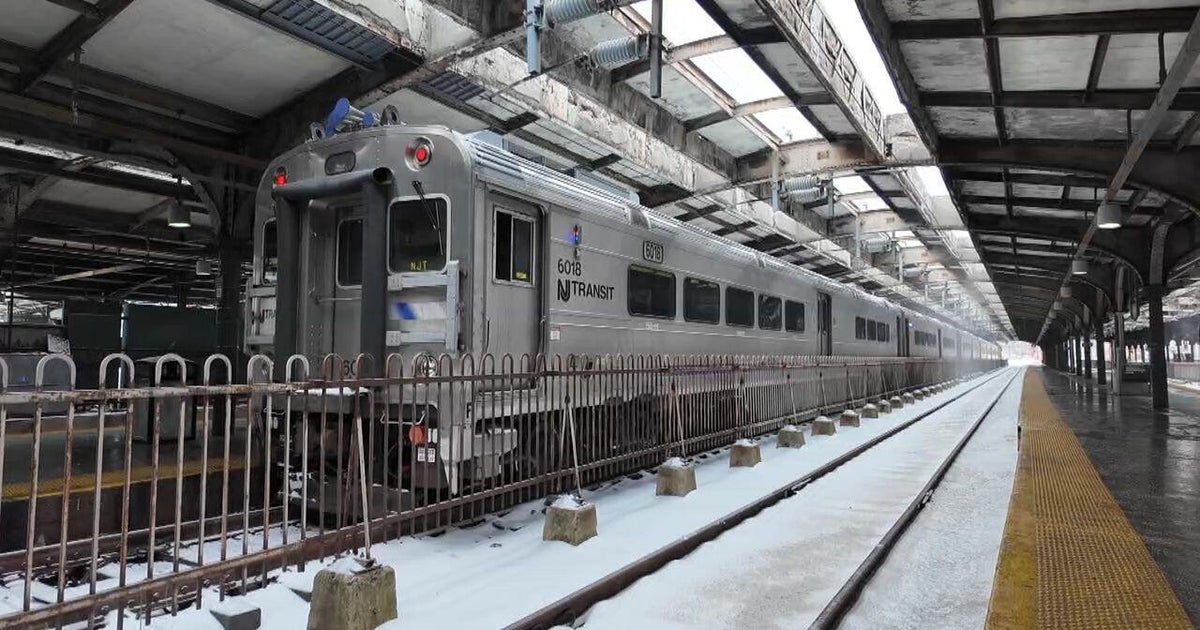
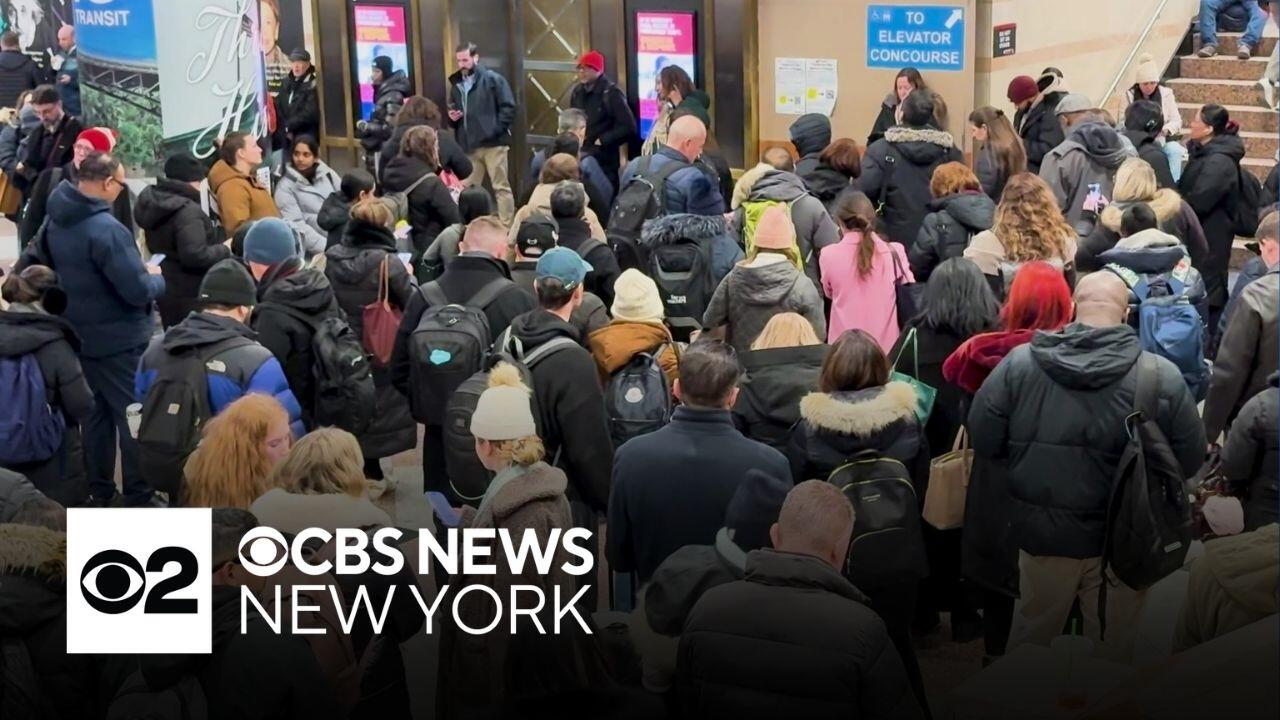
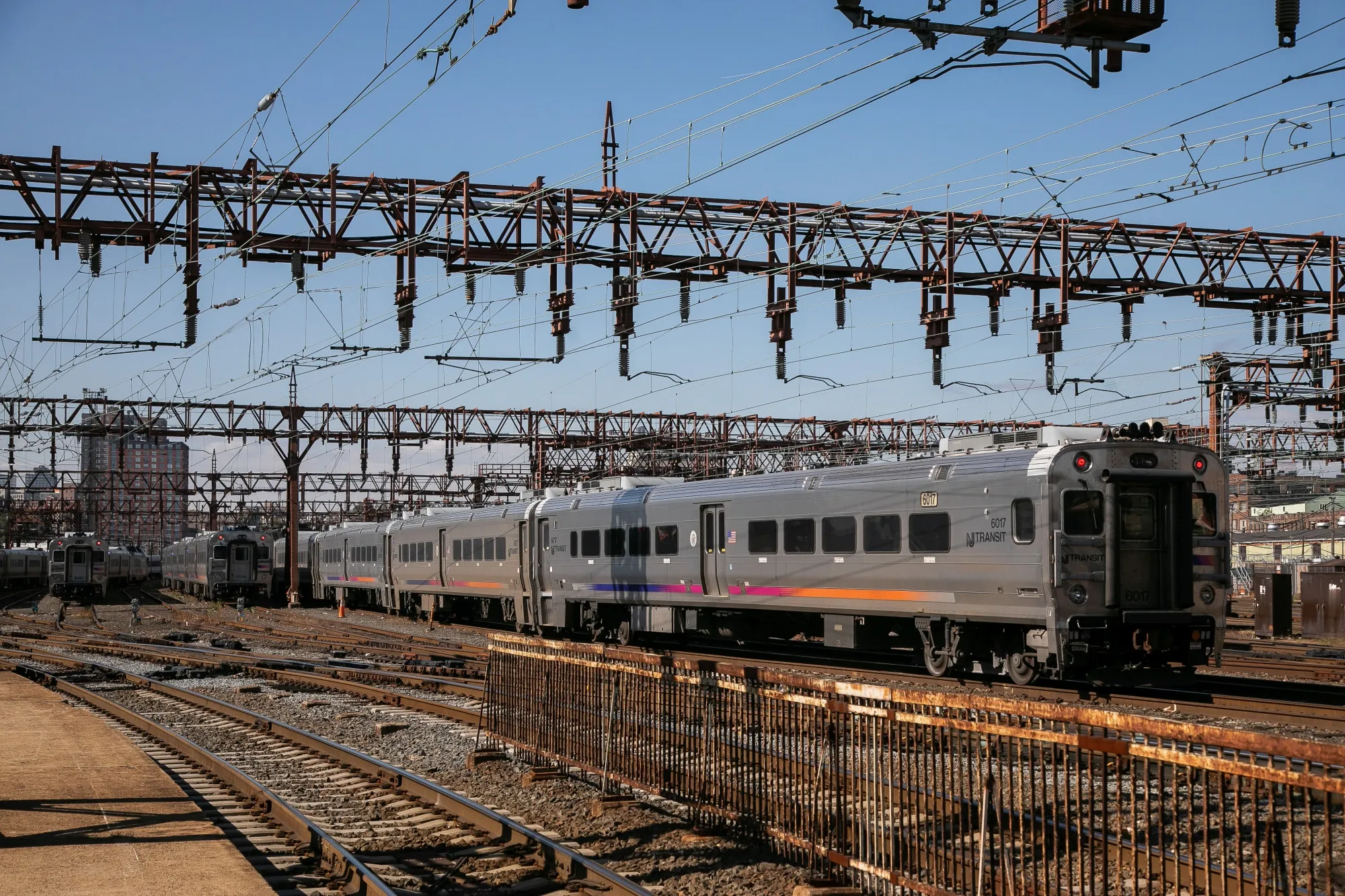
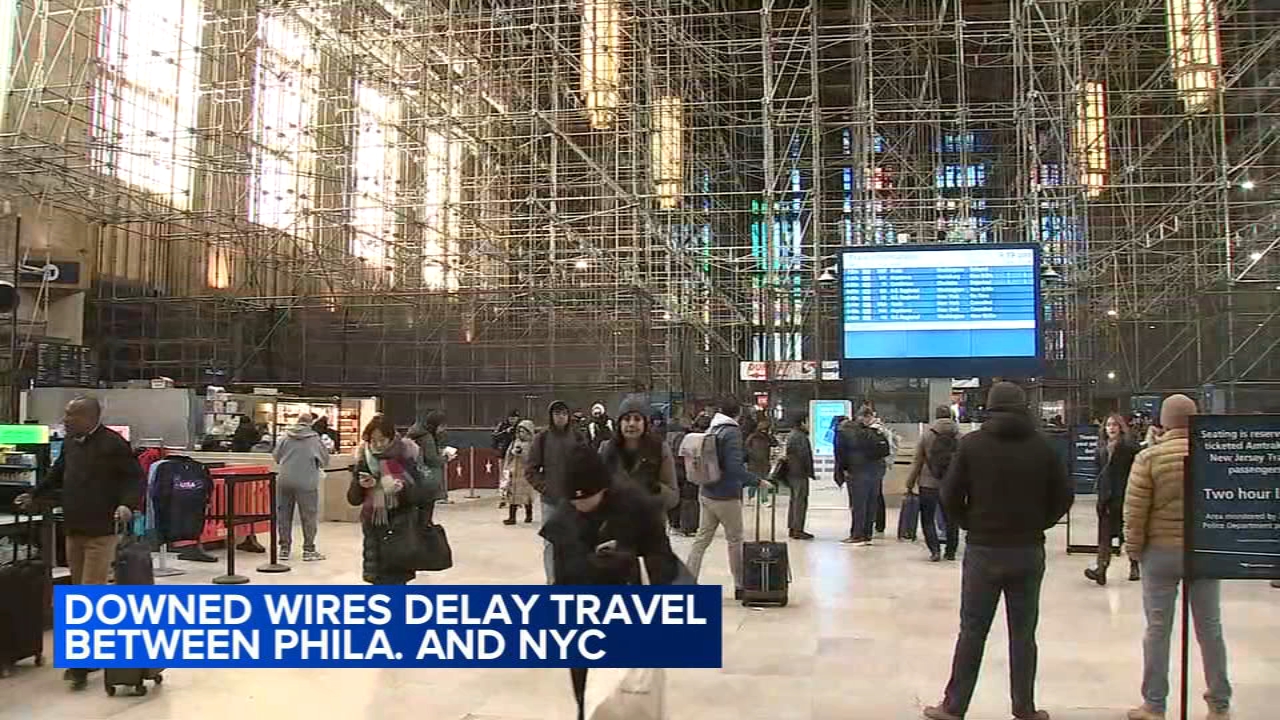
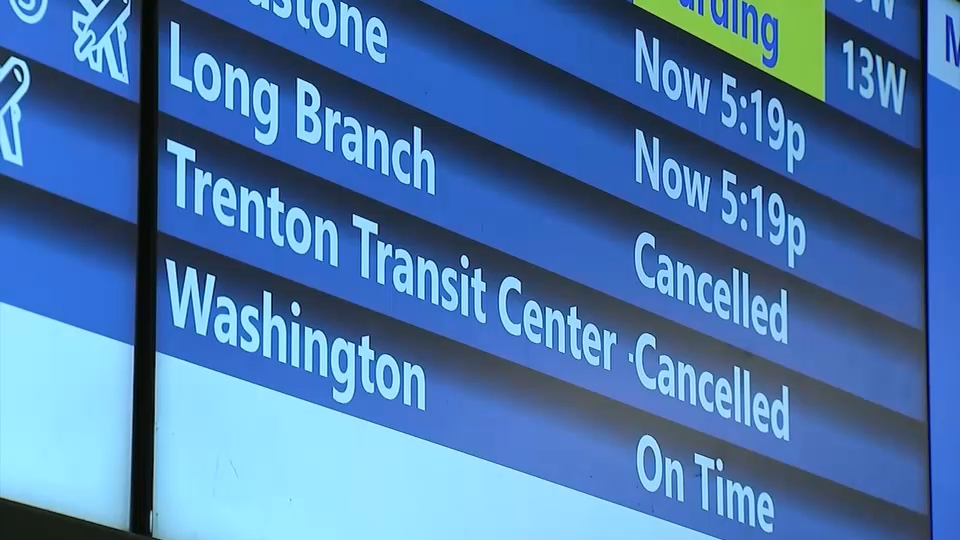
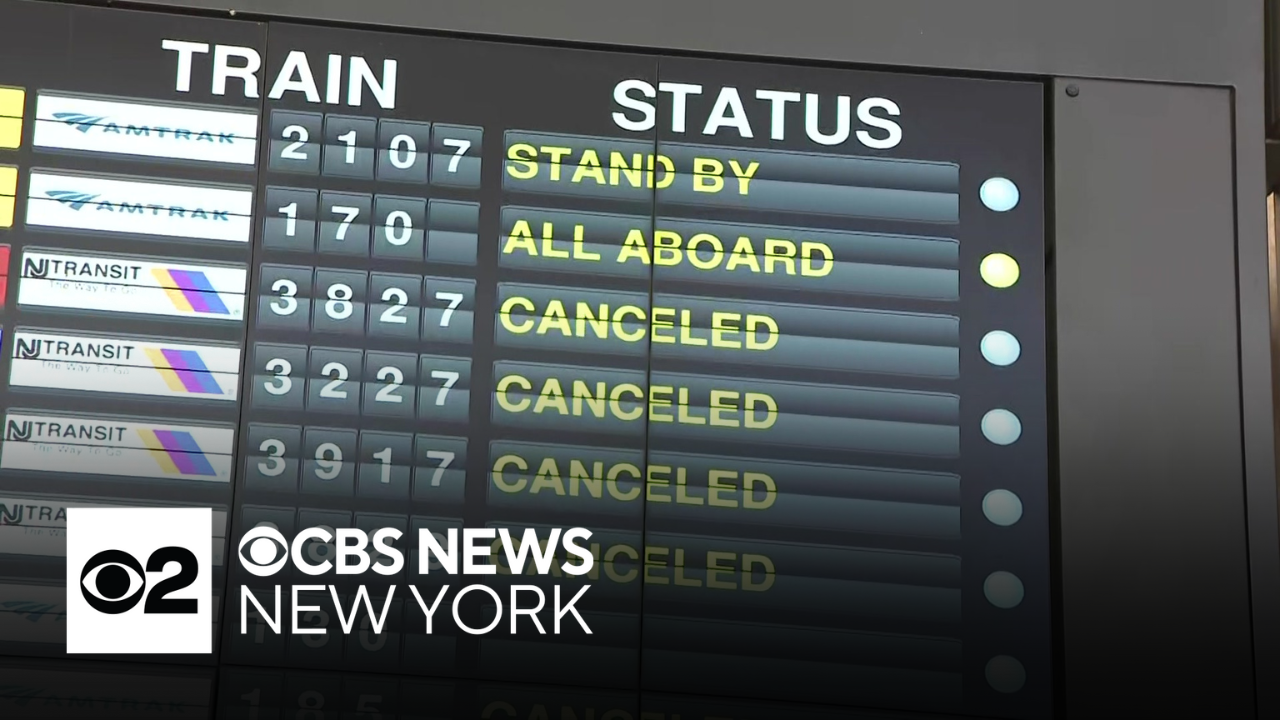
The Northeast Corridor experienced critical infrastructure failures on February 9-10, 2026, when overhead wire systems failed, suspending service on three major commuter rail lines and affecting approximately 200,000 daily passengers traveling into Manhattan. Amtrak and NJ Transit suspended operations between New York Penn Station and Philadelphia/Trenton, causing delays exceeding 60 minutes during peak hours and stranding passengers for 4+ hours. The incident occurred amid freezing temperatures and highlights chronic maintenance vulnerabilities in aging rail infrastructure serving the nation's busiest passenger corridor.
For cross-border e-commerce sellers, this infrastructure crisis creates immediate and long-term operational risks. The Northeast Corridor functions as a critical logistics hub, with major distribution centers and fulfillment facilities in Newark, New Jersey, and surrounding areas dependent on reliable rail transport for inventory movement and last-mile delivery coordination. Disruptions directly impact supply chain efficiency for sellers relying on regional 3PL providers and Amazon FBA fulfillment centers. Sellers shipping inventory via rail to Northeast distribution hubs experienced 24-48 hour delays during the outage, affecting order fulfillment timelines and customer delivery promises. The region processes approximately 15-20% of cross-border e-commerce shipments destined for the Northeast US market, making infrastructure reliability critical for maintaining competitive service levels and avoiding negative seller feedback.
Broader infrastructure challenges compound seller risks. The $16 billion Gateway Tunnel project—designed to construct new rail infrastructure connecting northern New Jersey with Midtown Manhattan—halted construction on February 7, 2026, after the Trump administration suspended federal funding over contracting rule disputes. A federal judge temporarily blocked the funding freeze, but uncertainty persists regarding long-term infrastructure investment. This funding paralysis means aging overhead wire systems, track infrastructure, and signaling equipment will continue operating without major rehabilitation through at least 2027-2028. Sellers should anticipate recurring disruptions during winter weather events, equipment failures, and peak shipping seasons. The Northeast Corridor's vulnerability to weather-related failures—compounded by deferred maintenance—creates structural supply chain risk for sellers dependent on rail-based inventory distribution.
Operational impact varies by seller segment. Large sellers (500+ SKUs) with dedicated 3PL contracts experienced 2-3 day fulfillment delays and potential Amazon FBA IPI score impacts if inventory failed to reach fulfillment centers on schedule. Mid-size sellers (100-500 SKUs) using mixed rail/truck logistics faced cost increases of $300-800 per shipment as they rerouted inventory via truck transport to avoid rail delays. Small sellers (<100 SKUs) with just-in-time inventory models experienced stockouts and delayed order fulfillment. Sellers shipping temperature-sensitive products (electronics, cosmetics, food items) faced additional risk from extended transit times and potential product damage during rerouting.
問題 8
Which seller segments face the highest operational risk from Northeast Corridor disruptions?
Large sellers (500+ SKUs) with dedicated 3PL rail contracts face 2-3 day fulfillment delays and potential Amazon FBA IPI score impacts. Mid-size sellers (100-500 SKUs) using mixed rail/truck logistics experience cost increases of $300-800 per shipment when rerouting via truck. Small sellers (<100 SKUs) with just-in-time inventory models face stockouts and delayed order fulfillment. Temperature-sensitive product sellers (electronics, cosmetics, food) face additional risk from extended transit times and potential product damage. Sellers should audit their logistics provider contracts to identify rail-dependent routes and negotiate alternative truck-based routing options with 3PL providers.
How much inventory does the Northeast Corridor handle for cross-border e-commerce?
The Northeast Corridor processes approximately 15-20% of cross-border e-commerce shipments destined for the Northeast US market, with major distribution hubs in Newark, New Jersey, and surrounding areas. The region serves approximately 200,000 daily commuters and supports thousands of logistics operations. For sellers, this means disruptions affect a significant portion of Northeast inventory distribution and last-mile delivery operations. Sellers relying on Northeast distribution should maintain 10-15% safety stock buffer and establish relationships with alternative 3PL providers in Pennsylvania, Connecticut, or upstate New York to ensure supply chain continuity.