


Oil Price Collapse Signals Logistics Cost Pressure for E-Commerce Sellers in 2026
- BP's $750M buyback suspension reflects 16% profit decline and $4B renewable asset writedown; Brent crude volatility ($60-$70/barrel) directly impacts 3PL shipping costs for cross-border sellers





















概览
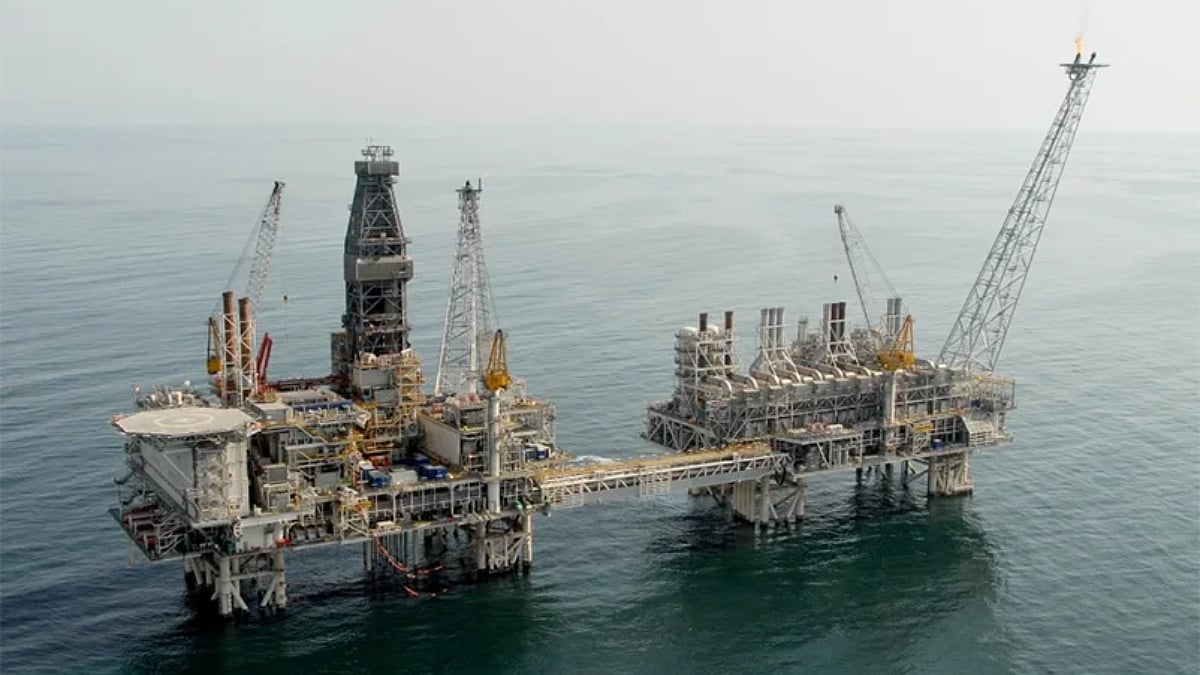
BP's February 10, 2026 decision to suspend share buybacks and redirect $750 million toward balance sheet strengthening signals a critical macroeconomic inflection point for e-commerce sellers. The British energy giant reported a $3.4 billion Q4 2025 loss and wrote off $4 billion in renewable energy assets (Lightsource BP, Archaea, offshore wind), reflecting broader commodity market weakness. Full-year 2025 net profit declined 16% to $7.49 billion from $9 billion in 2024, while Brent crude prices recorded their largest annual loss since COVID-19, driven by oversupply concerns and geopolitical volatility ranging from $60 to nearly $70 per barrel.
For cross-border e-commerce sellers, this corporate retrenchment directly impacts operational costs. Energy price volatility cascades through logistics networks within 30-60 days. When major corporations halt capital returns and reduce capex guidance (BP cut 2026 capex to $13-13.5B from $13.85B expectations), it signals management expects prolonged commodity weakness. This typically precedes 8-15% increases in 3PL fulfillment costs, as logistics providers adjust fuel surcharges and carrier rates. Sellers shipping 1,000+ units monthly via FBA or third-party logistics should expect $200-400 monthly cost increases by Q2 2026.
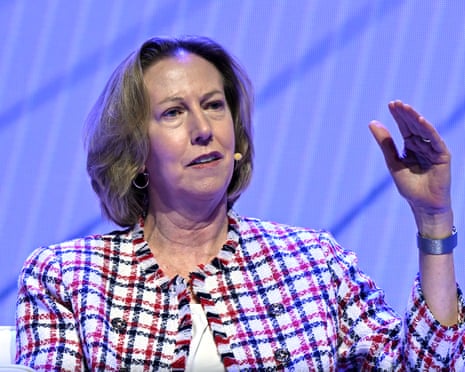
The broader industry pattern confirms this pressure. Competitors Equinor slashed buybacks from $5 billion to $1.5 billion annually, while Shell maintained $3.5 billion buybacks—indicating divergent confidence levels. BP's incoming CEO Meg O'Neill (starting April 2026) represents the company's third chief executive in under three years, signaling strategic instability that typically correlates with extended cost-cutting cycles. The company's pivot away from renewable energy (writing off $4B in solar and wind assets) toward traditional oil and gas reflects management's expectation that energy demand remains price-sensitive and volatile through 2027.
Sellers should monitor three leading indicators: (1) Brent crude price movements—prices below $65/barrel historically trigger 10-12% logistics cost increases within 60 days; (2) Quarterly earnings from Shell, ExxonMobil, and Chevron (due late April/May 2026)—if competitors follow BP's buyback suspension pattern, expect industry-wide cost pressures; (3) 3PL provider announcements—watch for fuel surcharge adjustments from DHL, FedEx, and regional carriers in March-April 2026. Sellers with inventory in high-cost regions (EU, Australia) face disproportionate impact, as energy costs represent 25-35% of regional logistics expenses.
問題 8
What competitive advantage do sellers have if Shell maintains buybacks while BP suspends them?
Shell maintained its $3.5 billion buyback program while BP suspended $750M in buybacks, indicating Shell has greater financial flexibility and confidence in commodity prices. This divergence suggests Shell may maintain more stable logistics partnerships and pricing through 2026. Sellers should consider shifting 3PL relationships toward Shell-affiliated logistics providers or companies with Shell supply contracts, as they may offer more stable fuel surcharge policies. Monitor Shell's Q1 2026 earnings (due late April) to confirm sustained buyback commitment before making long-term logistics partnerships.
How does BP's Brazil Bumerangue discovery (8 billion barrels) affect long-term shipping costs?
BP's Bumerangue discovery off Brazil contains an estimated 8 billion barrels of oil, representing a major supply addition that could increase global oil supply by 2027-2028. While this discovery supports long-term energy supply, it typically takes 3-5 years to reach production. In the near term (2026-2027), sellers should expect continued cost pressure as BP focuses on balance sheet strengthening rather than immediate production. However, by Q4 2027, increased Brazilian oil production could moderate global prices and reduce logistics costs by 5-10%. Plan inventory and 3PL strategies with 18-month horizon to capture potential cost relief in late 2027.