
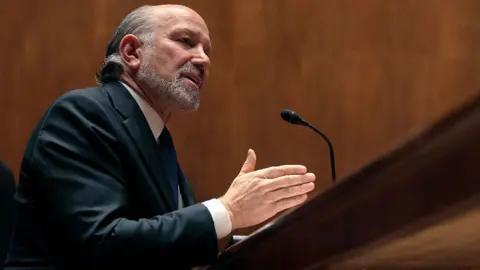
Commerce Secretary Transparency Crisis | Trade Policy Uncertainty for Sellers
- Government leadership credibility concerns create tariff policy unpredictability affecting 500K+ cross-border sellers; Virginia's Law signals regulatory expansion impacting compliance costs
概览
The revelation that US Commerce Secretary Howard Lutnick misrepresented his relationship with Jeffrey Epstein—including a December 2012 island visit with his family that contradicted earlier testimony—creates significant uncertainty for cross-border sellers dependent on stable trade policy. Lutnick oversees the Commerce Department, which directly shapes tariff policy, trade agreements, and market access decisions affecting millions of sellers globally. The credibility crisis surrounding his appointment raises critical questions about the consistency and reliability of trade policy implementation during 2025-2026, a period when sellers are making major sourcing and inventory decisions.
Policy Implementation Risk: Lutnick's Commerce Department controls tariff rate decisions, trade remedy investigations, and market access negotiations. The controversy—involving bipartisan calls for resignation from Congressman Ro Khanna and Thomas Massie, despite White House support—signals potential internal policy instability. Sellers relying on tariff exemptions, Section 301 trade remedy relief, or preferential trade agreements face heightened uncertainty. The 3.5 million Justice Department documents released publicly create ongoing reputational pressure that could influence policy decisions or lead to sudden leadership changes affecting trade strategy.
Compliance and Transparency Expansion: Simultaneously, Virginia's Law—eliminating statute of limitations for civil sexual abuse claims—signals a broader regulatory trend toward expanded liability and transparency requirements. This legislative momentum suggests sellers should anticipate stricter compliance frameworks across multiple domains: supply chain transparency (forced labor verification), corporate accountability standards, and documentation requirements. The convergence of government credibility concerns with expanded civil liability creates a compliance cost multiplier for sellers, particularly those in high-risk categories (apparel, electronics, consumer goods) where supply chain verification is increasingly scrutinized.
Market Access Implications: Commerce Secretary decisions directly impact tariff rates by HS code, trade agreement negotiations, and market access for specific countries. The policy uncertainty window—potentially extending through 2025 if leadership changes occur—creates timing advantages for sellers who lock in tariff positions before potential policy shifts. Sellers should prioritize: (1) documenting current tariff classifications and exemptions, (2) evaluating sourcing diversification away from China to Vietnam/India/Mexico to hedge policy risk, and (3) building compliance infrastructure for expanded transparency requirements. The credibility crisis reduces predictability of trade policy, making supply chain flexibility a competitive advantage.
問題 7
How does Commerce Secretary credibility impact tariff policy for cross-border sellers?
The Commerce Secretary directly controls tariff rate decisions, trade remedy investigations, and market access negotiations affecting all cross-border sellers. When leadership credibility is questioned—as with Lutnick's misrepresentation of his Epstein relationship—it creates policy uncertainty that makes tariff decisions less predictable. Sellers relying on tariff exemptions or preferential trade rates face increased risk of sudden policy reversals. The bipartisan calls for resignation signal potential leadership instability, which could trigger changes in trade strategy. Sellers should document current tariff classifications immediately and avoid making major sourcing commitments based on current tariff rates until policy clarity improves.
How should sellers adjust inventory strategy given policy uncertainty?
Policy uncertainty from Commerce Secretary credibility issues creates risk for sellers making major inventory commitments. Recommended adjustments: (1) reduce inventory concentration in single-source countries by 20-30%, (2) shift 15-20% of inventory to 3PL providers in multiple geographic regions to enable rapid reallocation, (3) prioritize faster inventory turnover (30-45 day cycles) over bulk purchasing, and (4) build 30-day safety stock in lower-tariff categories. These adjustments increase carrying costs by 5-8% but reduce exposure to sudden tariff changes. The policy uncertainty window typically lasts 90-180 days, after which new Commerce leadership or policy clarity should emerge.