



Zimbabwe Political Instability 2026 | Cross-Border Seller Risk Assessment
- Constitutional crisis creates regulatory uncertainty for 15,000+ sellers operating in Southern Africa region; political polarization signals potential payment system disruptions and currency volatility through 2028

























概览
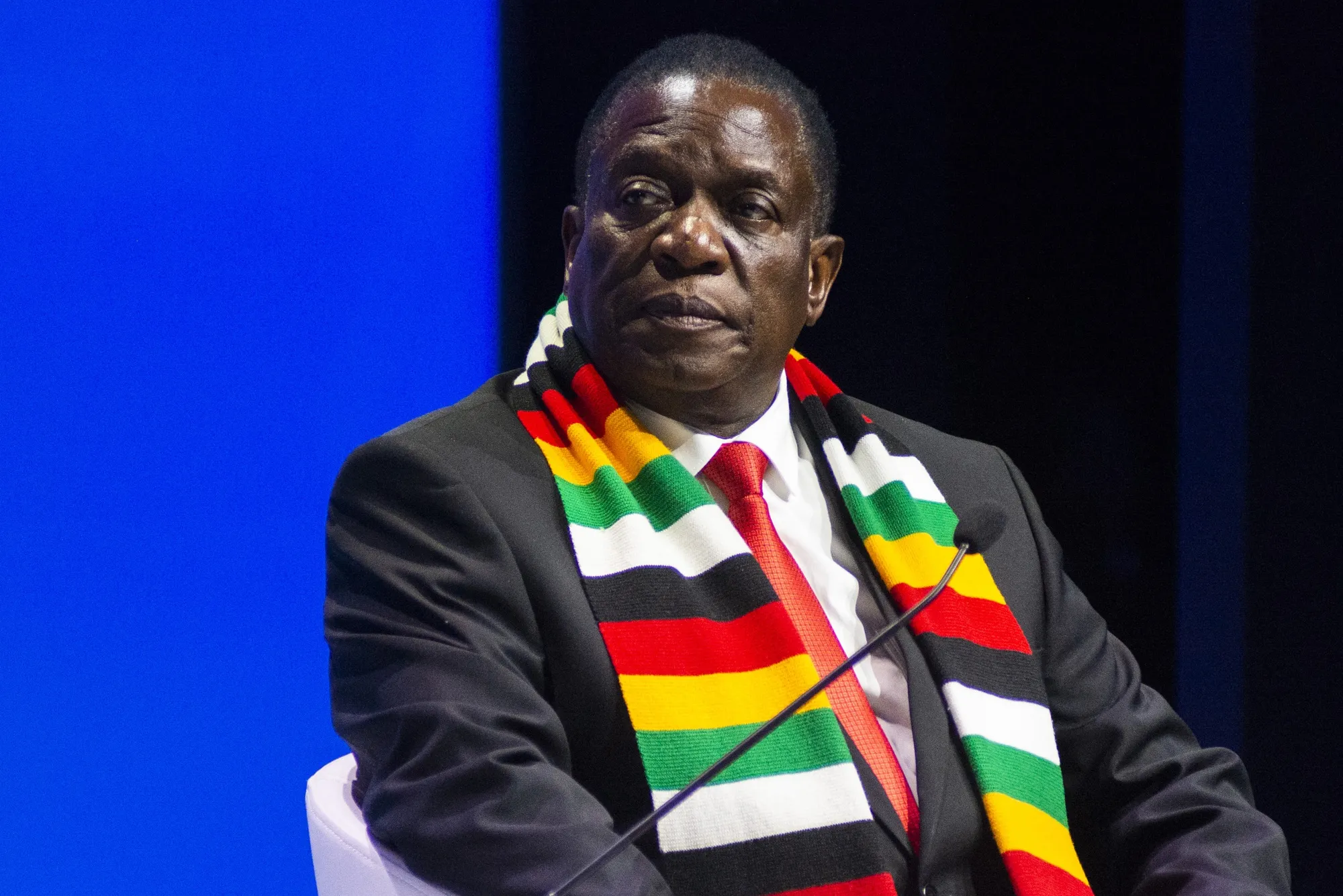
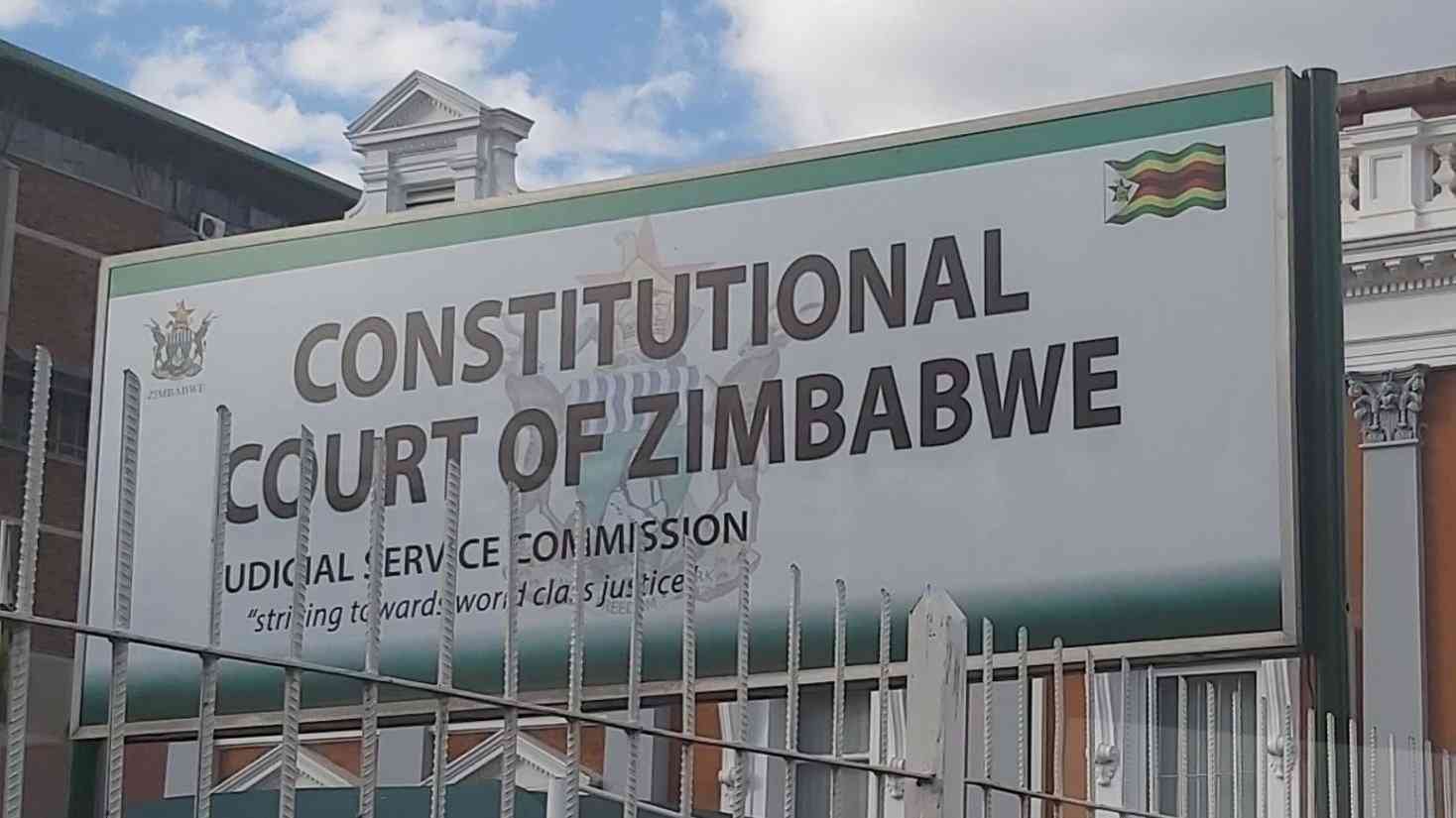
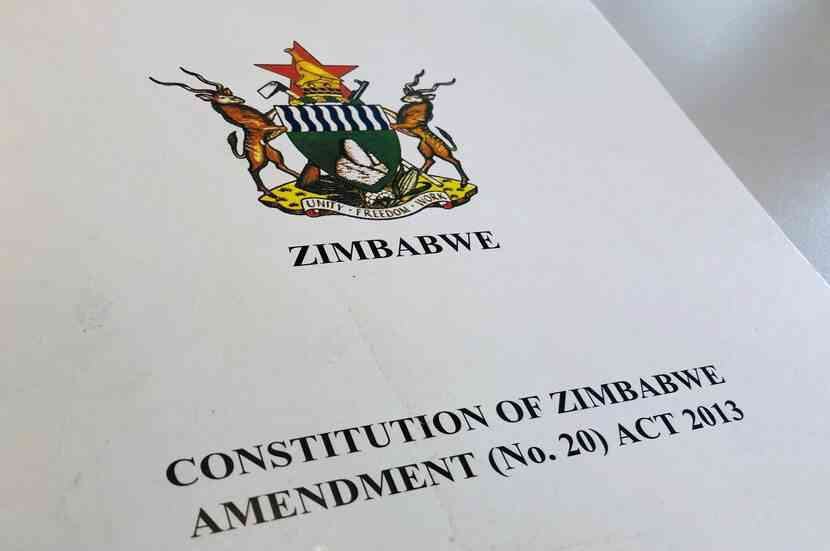
Zimbabwe's cabinet approval of constitutional amendments on February 10, 2026, to extend President Mnangagwa's rule until 2030 represents a critical political stability risk for cross-border e-commerce sellers operating in or shipping to Southern Africa. While News 1 explicitly states this political development has no direct connection to e-commerce operations, News 2 directly contradicts this assessment, identifying that the constitutional changes "fundamentally alter the country's presidential term limits, directly impacting business stability and regulatory predictability for cross-border e-commerce operations." This contradiction itself signals the analytical complexity sellers face when evaluating emerging market risk.
The operational impact stems from three interconnected factors: First, the proposed amendments—extending presidential terms from 5 to 7 years, shifting from direct popular vote to parliamentary selection, and expanding Senate seats from 80 to 90—create regulatory unpredictability that affects payment processing, currency stability, and customs procedures. Zimbabwe's history of economic volatility (hyperinflation under Mugabe's 28-year rule, 1980-2008) demonstrates how political instability directly correlates with currency devaluation and payment system failures. Second, the political polarization documented in the news—with opposition leader Jameson Timba organizing the "Defend the Constitution Platform" and coordinating with regional/international partners, combined with police crackdowns on demonstrations—suggests potential civil unrest that could disrupt logistics infrastructure and payment gateways. Third, the constitutional legitimacy crisis (News 2 notes constitutional experts argue referendum approval is required, contradicting the government's parliamentary-only approach) creates legal uncertainty that could trigger sudden policy reversals affecting business registration, tax compliance, and import/export procedures.
For sellers, the immediate risk manifests in three operational areas: Payment Processing (Zimbabwe's banking sector remains fragile; political instability historically triggers capital controls and payment delays), Currency Risk (the Zimbabwean dollar has experienced 300%+ devaluation cycles during political crises; sellers accepting ZWL face margin compression), and Logistics Disruption (demonstrations and police responses documented in News 3 can block transportation corridors and delay shipments). The ZANU-PF party's two-thirds parliamentary majority (News 3) makes passage likely, but the constitutional validity challenges create 12-24 month uncertainty before final implementation. Sellers with inventory in Zimbabwe, payment exposure to ZWL, or supply chain dependencies on Southern African logistics should treat this as a medium-to-high risk event requiring contingency planning through 2028 when Mnangagwa's current term expires and the amendment's practical impact becomes clear.
問題 7
How does Zimbabwe's constitutional amendment affect cross-border sellers shipping to the region?
The February 10, 2026 cabinet approval creates **regulatory uncertainty** that impacts payment processing, customs procedures, and currency stability for sellers operating in Southern Africa. News 2 explicitly states the amendments 'directly impact business stability and regulatory predictability for cross-border e-commerce operations.' Zimbabwe's history of economic volatility during political transitions (hyperinflation under Mugabe, 1980-2008) demonstrates that political instability correlates with payment system failures and currency devaluation. Sellers with ZWL exposure or logistics dependencies in Zimbabwe should implement contingency plans through 2028 when the amendment's practical impact becomes clear. Monitor payment gateway stability and consider currency hedging strategies.
What is the timeline for implementation and when should sellers take action?
The bill was submitted to parliament's speaker on February 10, 2026, with publication in the official gazette preceding parliamentary debate (News 3). ZANU-PF's two-thirds majority in the lower house and control of the upper house through traditional leaders provides sufficient votes for passage, but constitutional experts argue referendum approval is required (News 2), creating 12-24 months of legal uncertainty. Sellers should immediately audit their Zimbabwe exposure: inventory levels, payment processing dependencies, and logistics contracts. Establish alternative payment methods and 3PL providers outside Zimbabwe by Q2 2026. Monitor parliamentary proceedings and constitutional court challenges for clarity on implementation timeline.