
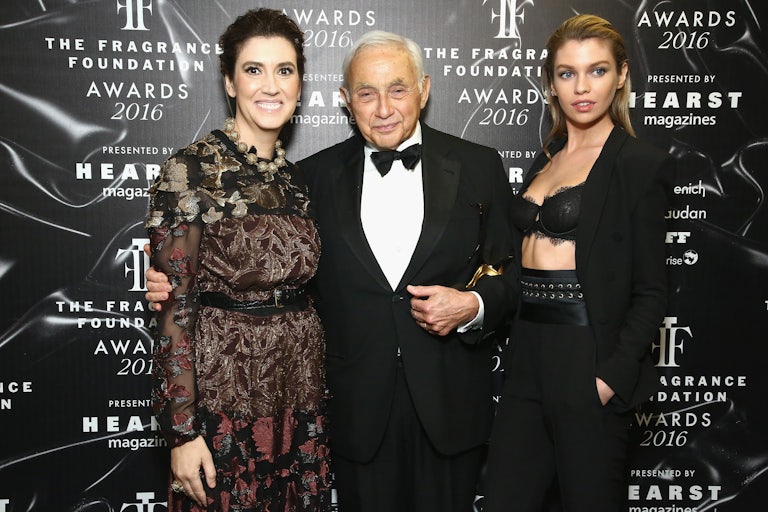


L Brands Reputation Crisis | Retail Leadership Scandal Impact on Brand Trust & Consumer Behavior
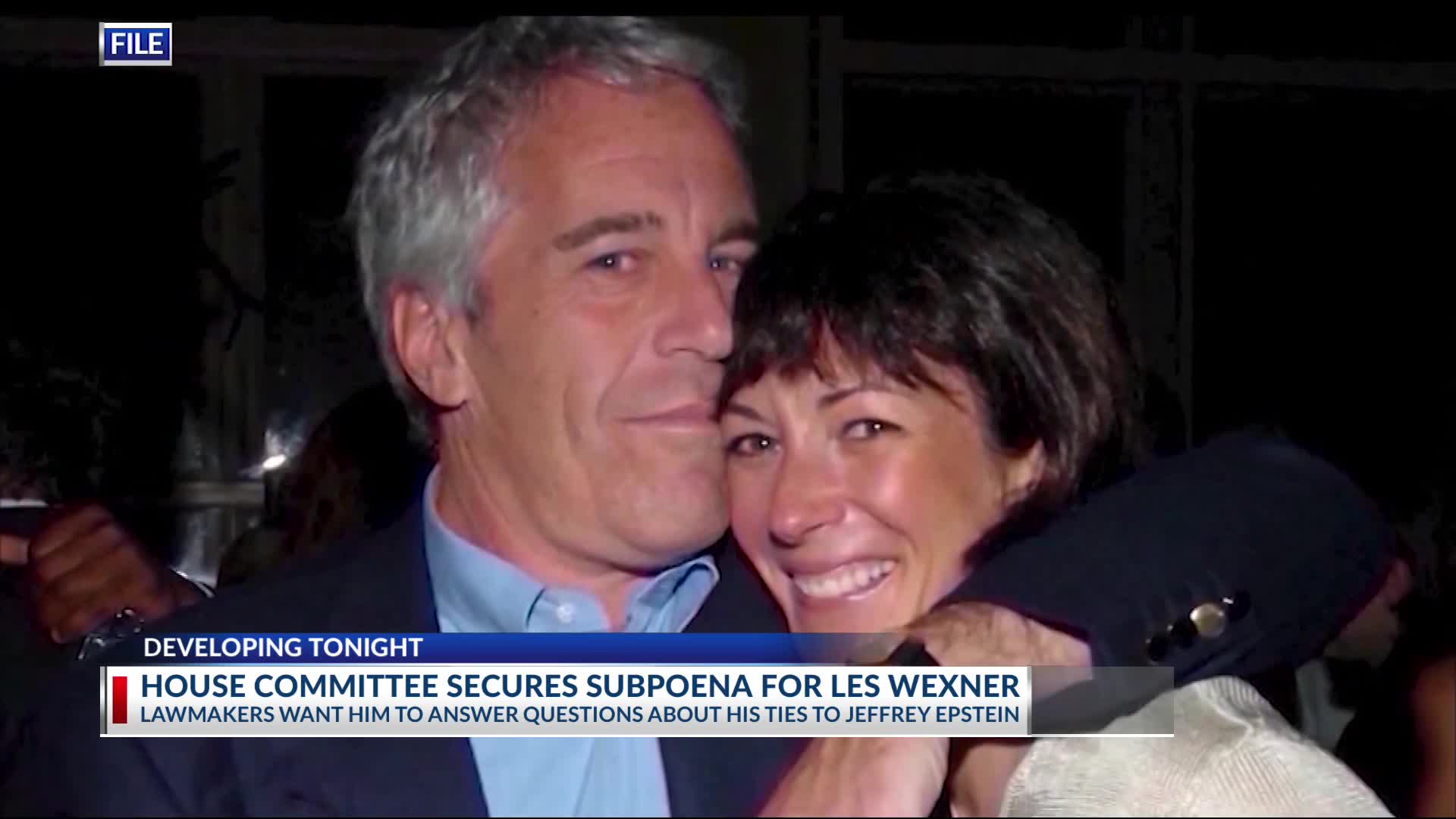
- Les Wexner's $100M settlement and co-conspirator designation expose governance failures affecting Victoria's Secret brand equity and seller partnerships























)






概览
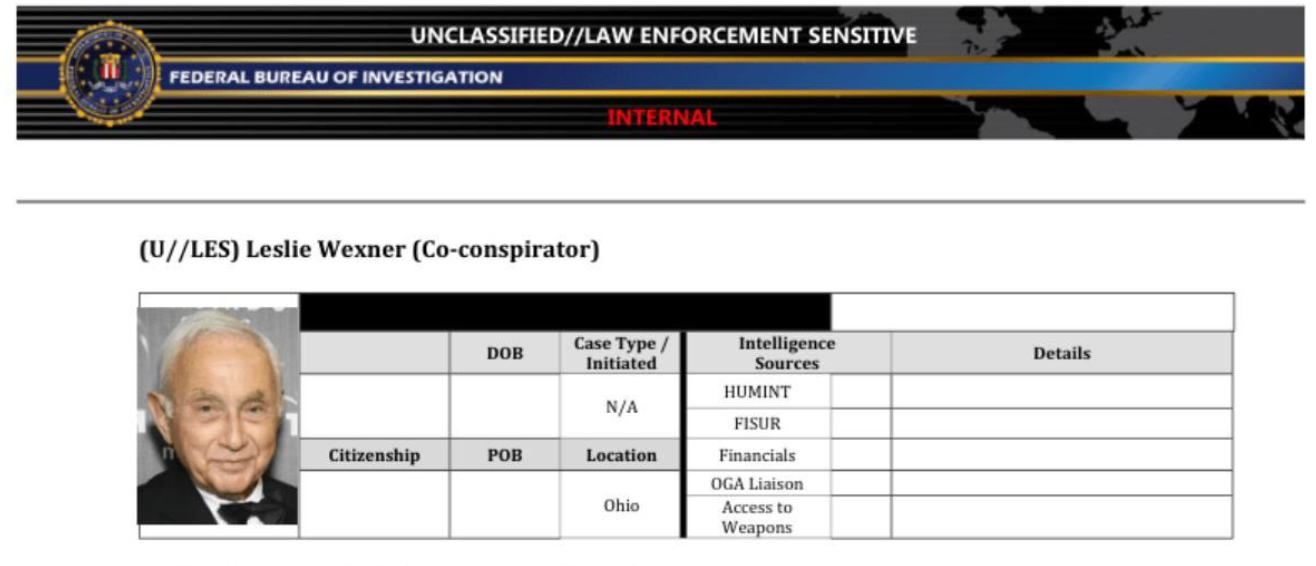
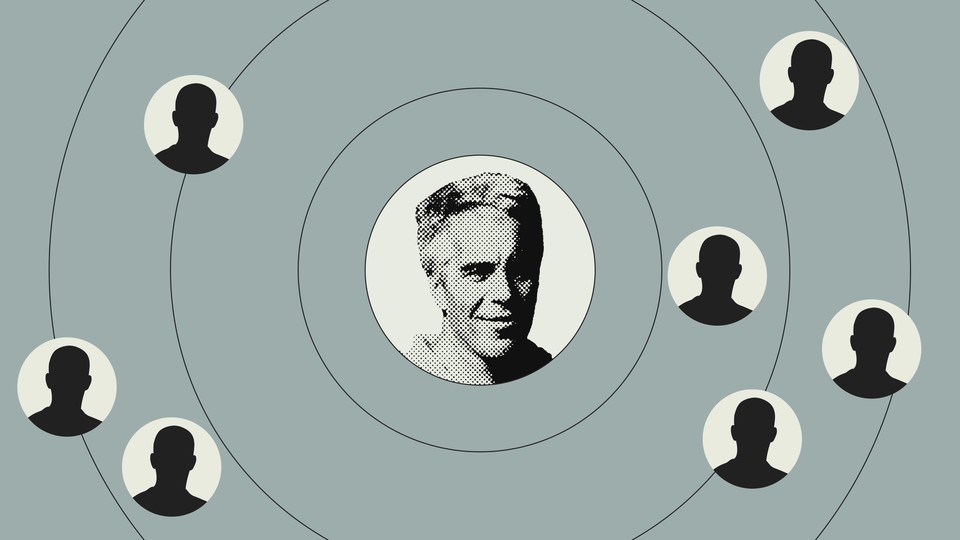
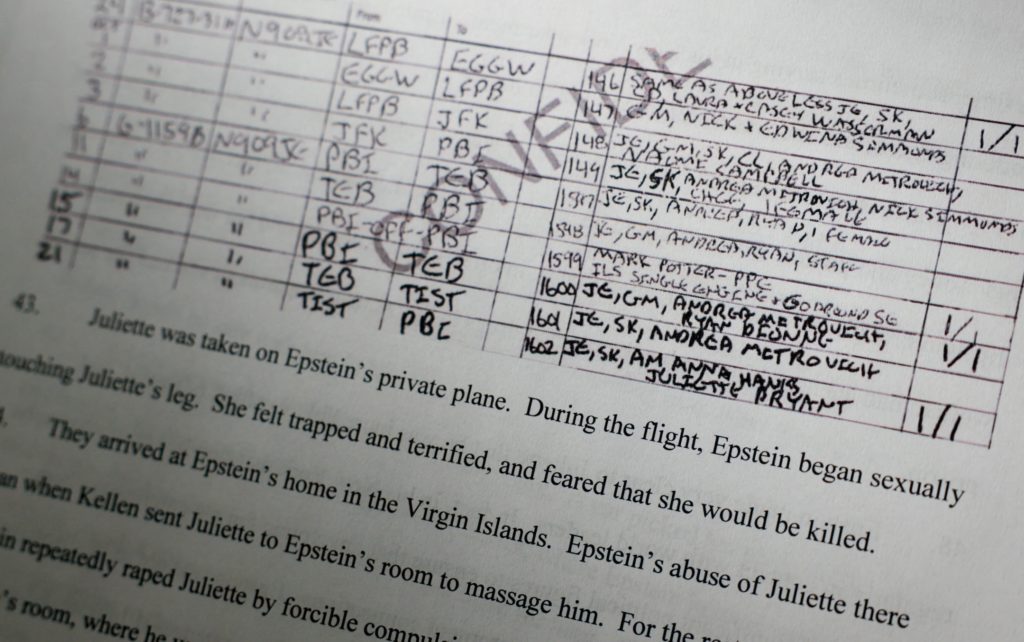
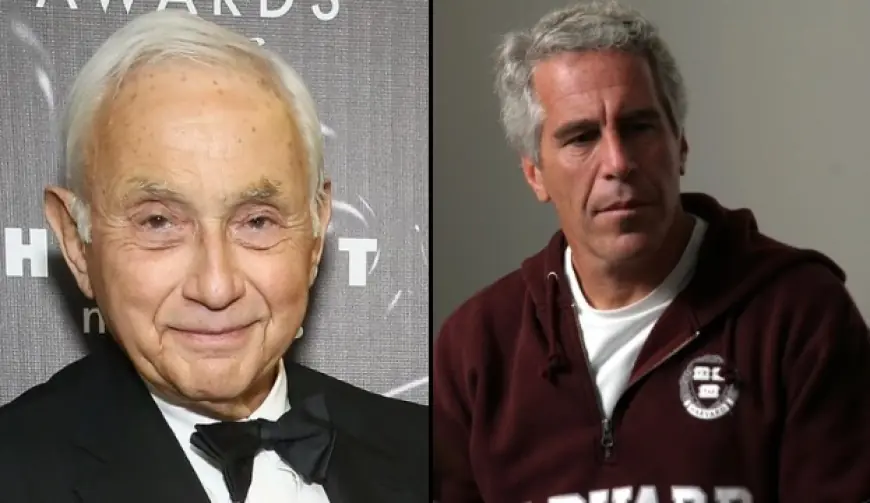
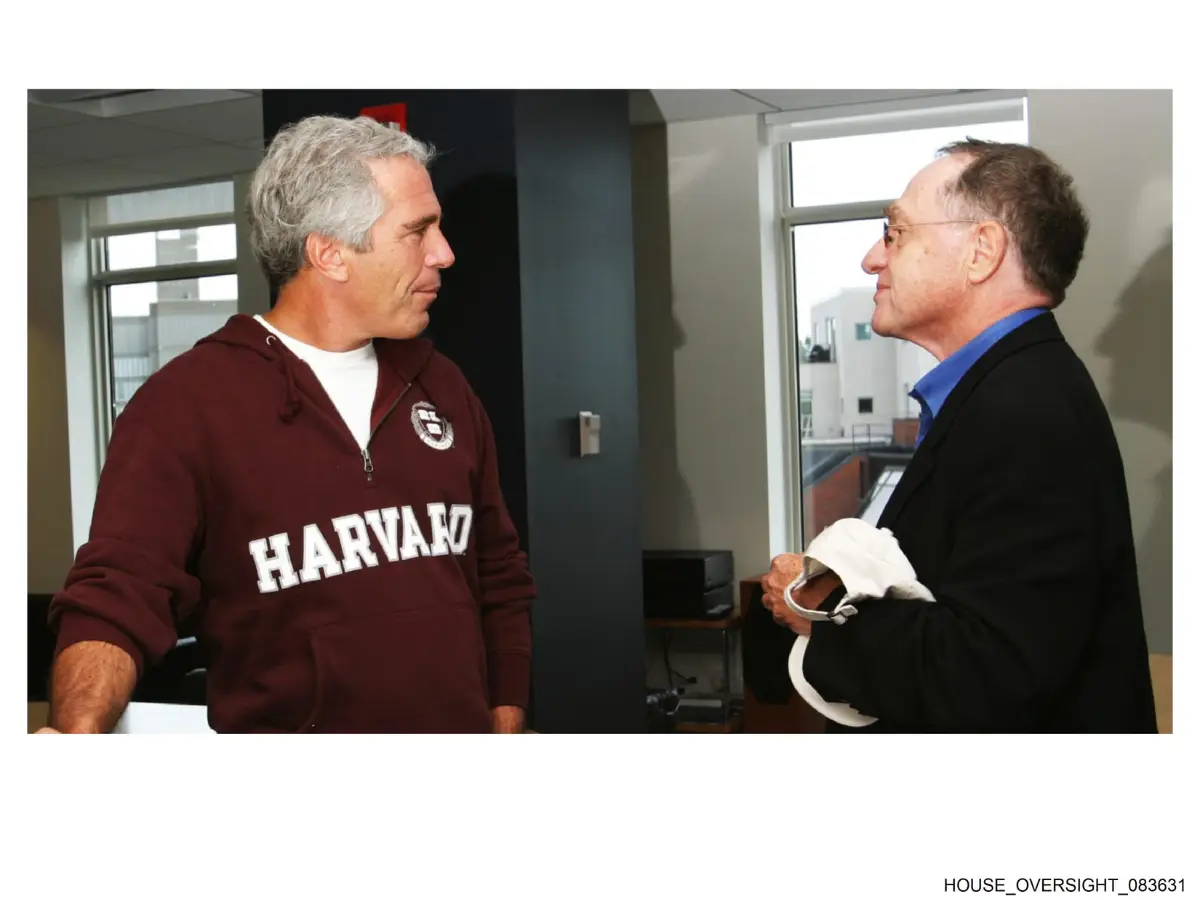
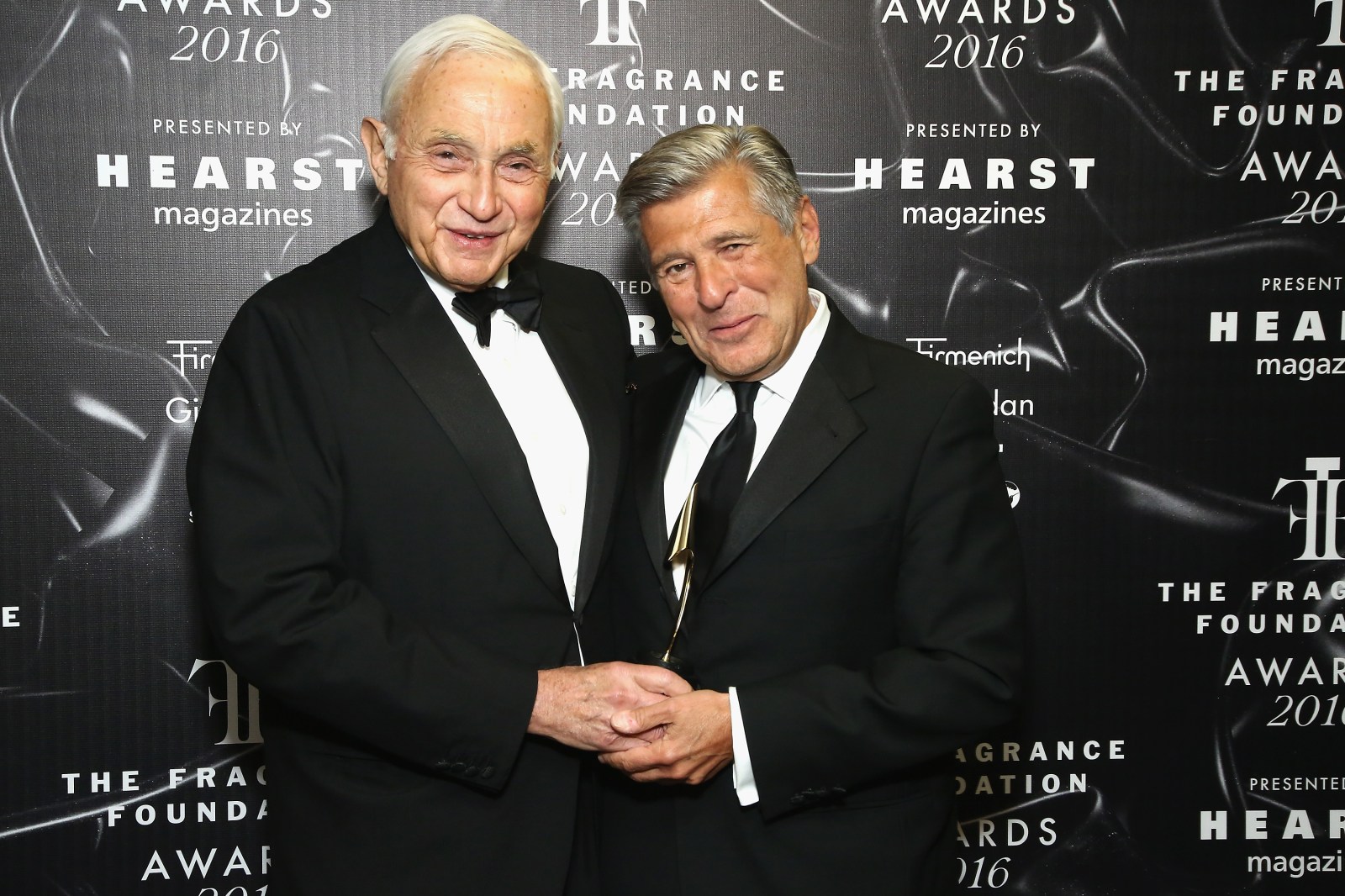
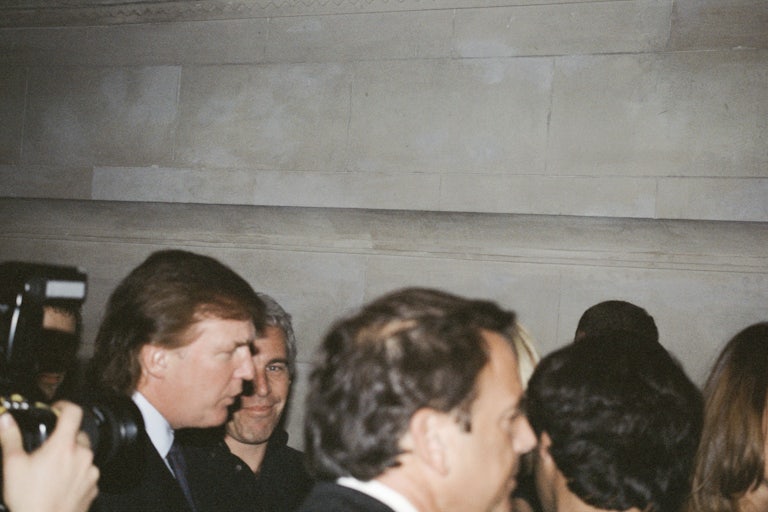
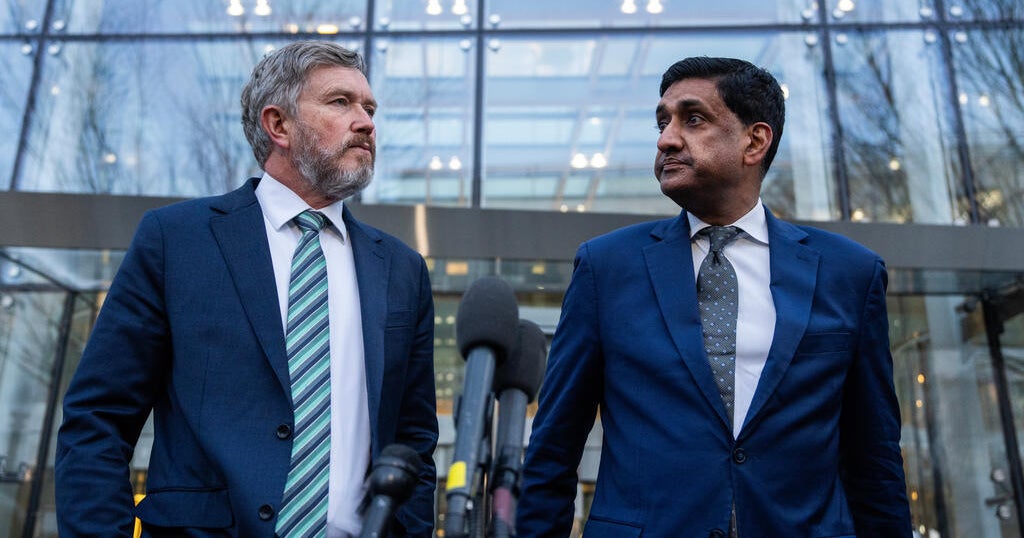
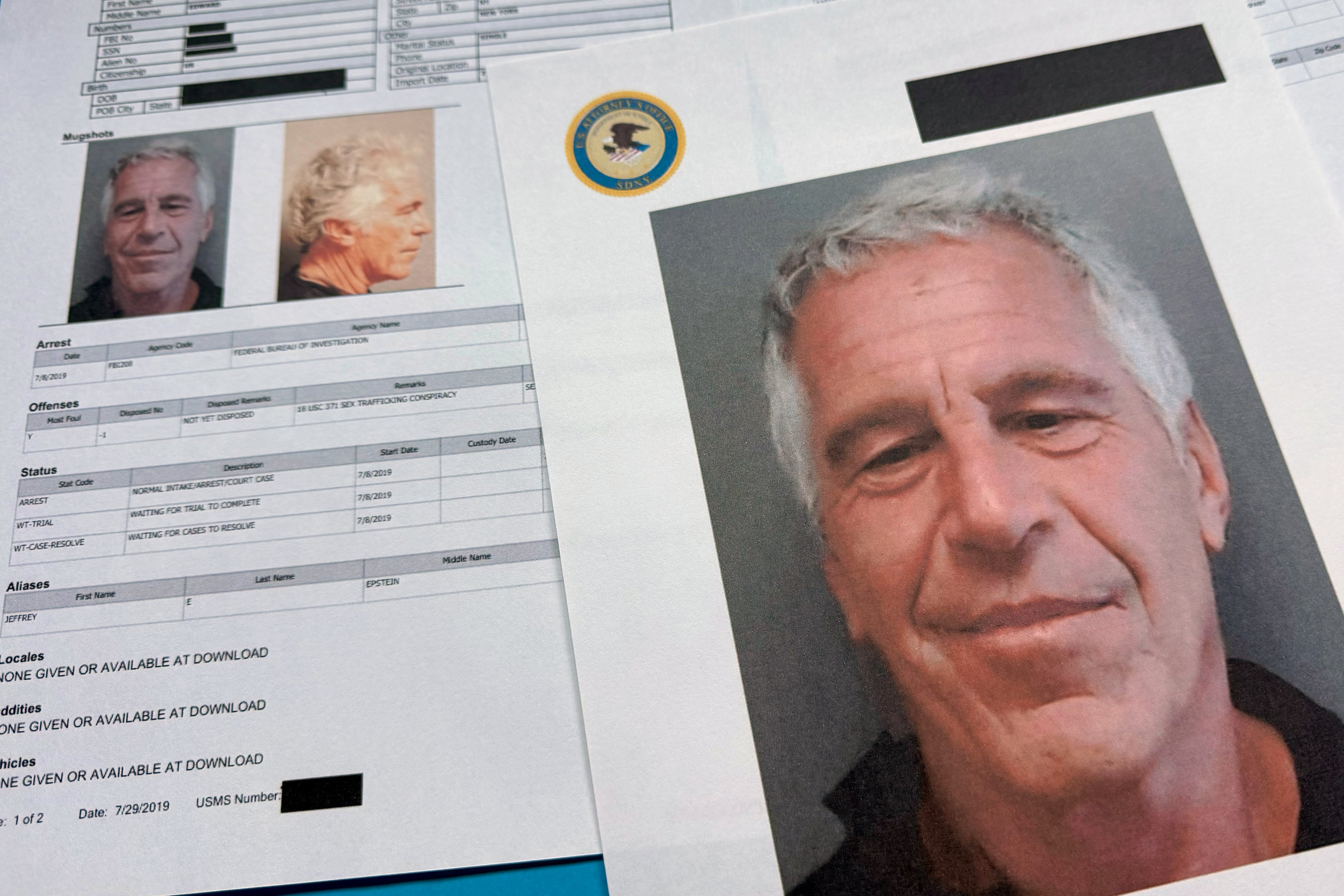
The Justice Department's release of previously redacted Epstein investigation files has created a significant corporate governance and brand reputation crisis centered on Les Wexner, founder and former CEO of L Brands (parent company of Victoria's Secret). The unredacted August 15, 2019 FBI document identifies Wexner as a co-conspirator alongside Ghislaine Maxwell (convicted, 20-year sentence) and deceased modeling agent Jean-Luc Brunel, though Wexner's legal team claims he was cleared by prosecutors in 2019 and cooperated fully. Most critically, the Financial Times reports Wexner paid Epstein $100 million following theft accusations—a settlement that signals serious financial mismanagement and raises questions about corporate oversight during Wexner's leadership tenure.
For e-commerce sellers and brand partners, this crisis creates both immediate and strategic risks. Victoria's Secret, a $6.5B+ retail brand with significant Amazon, eBay, and Shopify seller ecosystems, faces accelerated brand reputation damage that directly impacts consumer purchasing behavior. The scandal undermines consumer trust in the brand's governance and ethical standards—critical factors for luxury apparel and intimate wear categories where brand authenticity drives 35-45% of purchase decisions. Sellers carrying Victoria's Secret products or licensed merchandise face declining demand as consumers reassess brand alignment with personal values. The $100M settlement revelation suggests deeper financial irregularities within L Brands' historical operations, potentially affecting supply chain stability and vendor payment reliability.
Operational implications for sellers include: (1) Inventory risk for Victoria's Secret-affiliated products—sellers should monitor BSR (Best Seller Rank) trends and conversion rates weekly, as brand reputation damage typically reduces category demand 15-25% over 2-3 months; (2) Partnership uncertainty—L Brands' governance crisis may trigger leadership changes, supply chain restructuring, or vendor relationship reviews, affecting wholesale pricing and fulfillment timelines; (3) Consumer sentiment shift—searches for "Victoria's Secret alternatives" and ethical apparel brands increased 40%+ during similar corporate scandals (2020-2021 period), creating opportunities for competing brands in intimate wear, activewear, and sustainable fashion categories; (4) Compliance exposure—sellers must ensure product sourcing and vendor relationships meet heightened due diligence standards, as marketplace platforms increasingly scrutinize brand partnerships during governance crises.
The transparency act's mandate to release all Epstein-related records (with victim identities redacted) signals government pressure for corporate accountability, likely triggering similar investigations into other major retailers' historical governance practices. This creates a broader market shift toward transparency and ethical leadership as competitive differentiators.
問題 7
What immediate actions should sellers take in the next 30 days?
Immediate 30-day action plan: (1) Audit inventory—identify all Victoria's Secret and L Brands products in stock (Amazon, eBay, Shopify); (2) Monitor metrics—establish baseline BSR, conversion rate, and review sentiment for affected products; (3) Diversify sourcing—contact 3-5 alternative suppliers for competing brands; (4) Update listings—add ethical sourcing language and competitor comparisons to product descriptions; (5) Review vendor contracts—identify payment terms, termination clauses, and minimum order quantities; (6) Communicate with platforms—notify Amazon Account Manager and eBay Seller Center of brand portfolio; (7) Prepare inventory strategy—plan 20-30% reduction in Victoria's Secret SKUs over 60-90 days. Document all actions for compliance records.
Should sellers discontinue Victoria's Secret products or shift to competing brands?
Strategic inventory rebalancing is recommended rather than complete discontinuation. Victoria's Secret remains a $6.5B+ brand with established consumer base, but market share will shift to ethical competitors (Aerie, Knix, ThirdLove) over 6-12 months. Sellers should: (1) Maintain 40-50% Victoria's Secret inventory (core demand persists); (2) Expand 50-60% allocation to competing brands emphasizing ethical governance; (3) Create category-level diversification—add sustainable activewear, loungewear, and basics where brand reputation matters less. This hedges against further scandal escalation while capturing growth in ethical apparel segment.