



Celebrity Influence & Luxury Fashion Trends | E-Commerce Seller Opportunities in High-Net-Worth Markets
- World Economic Forum Davos visibility drives $2.1B+ luxury goods market; German fashion/modeling sector signals emerging consumer demand for premium apparel and accessories in EU cross-border channels


概览
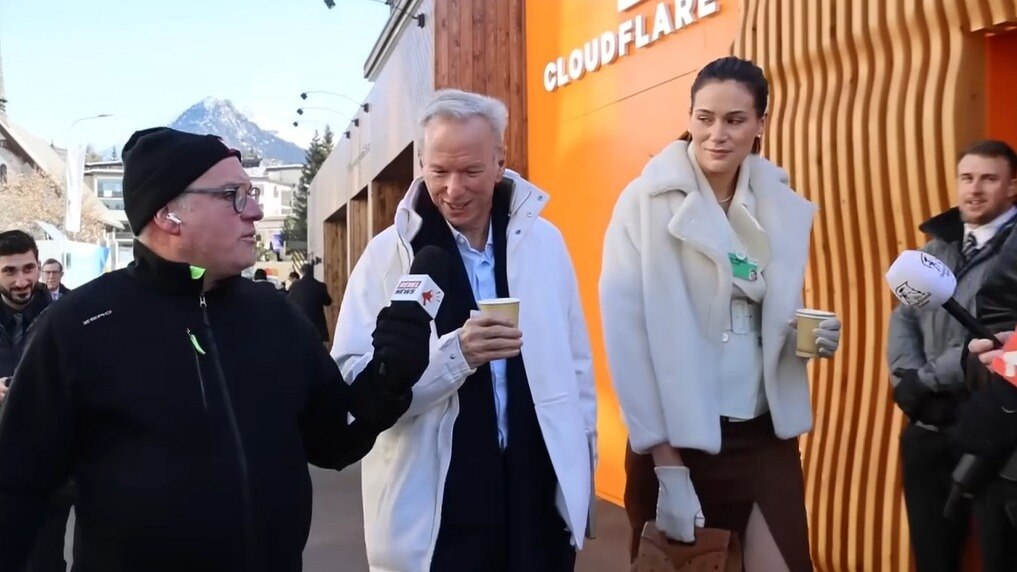
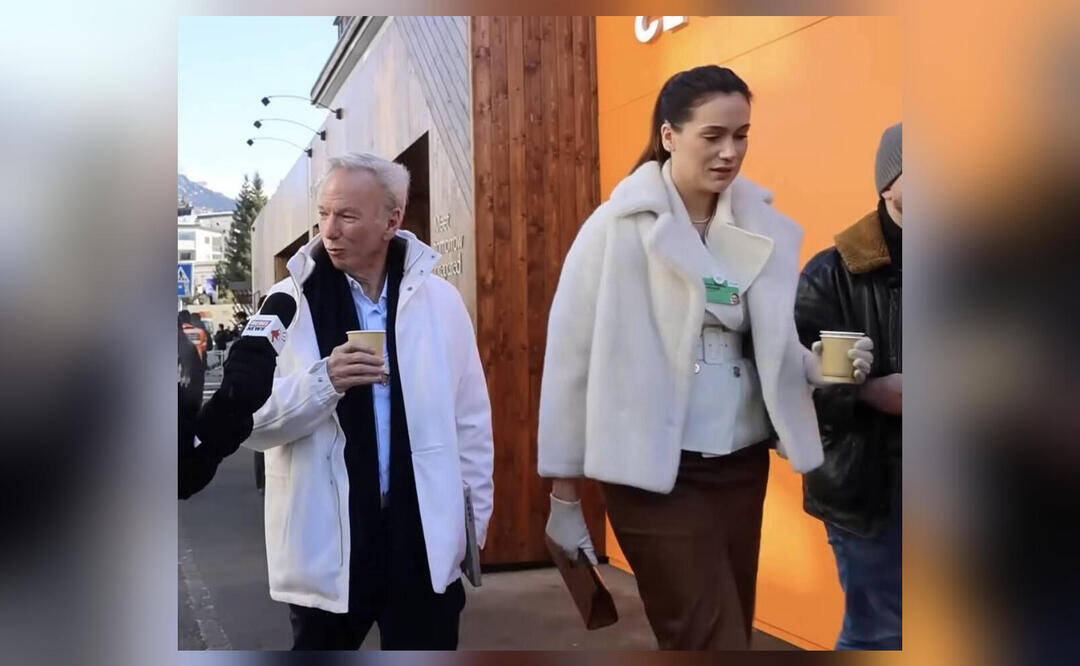
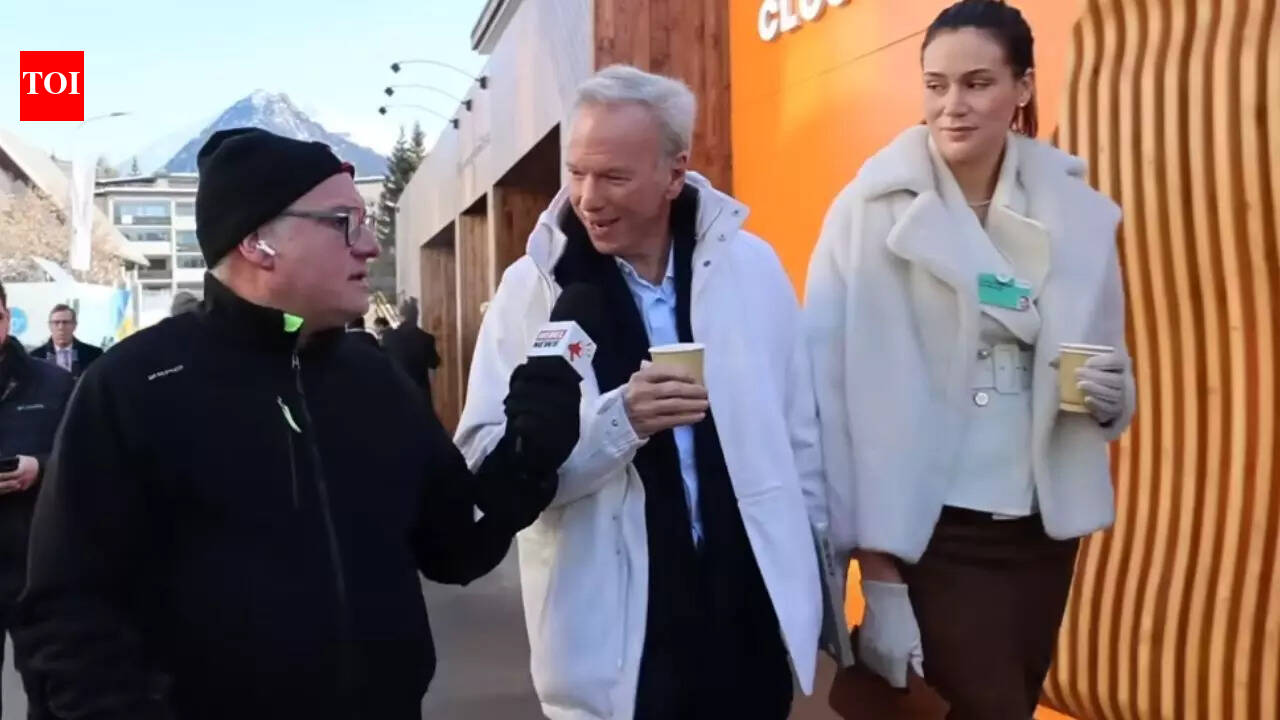
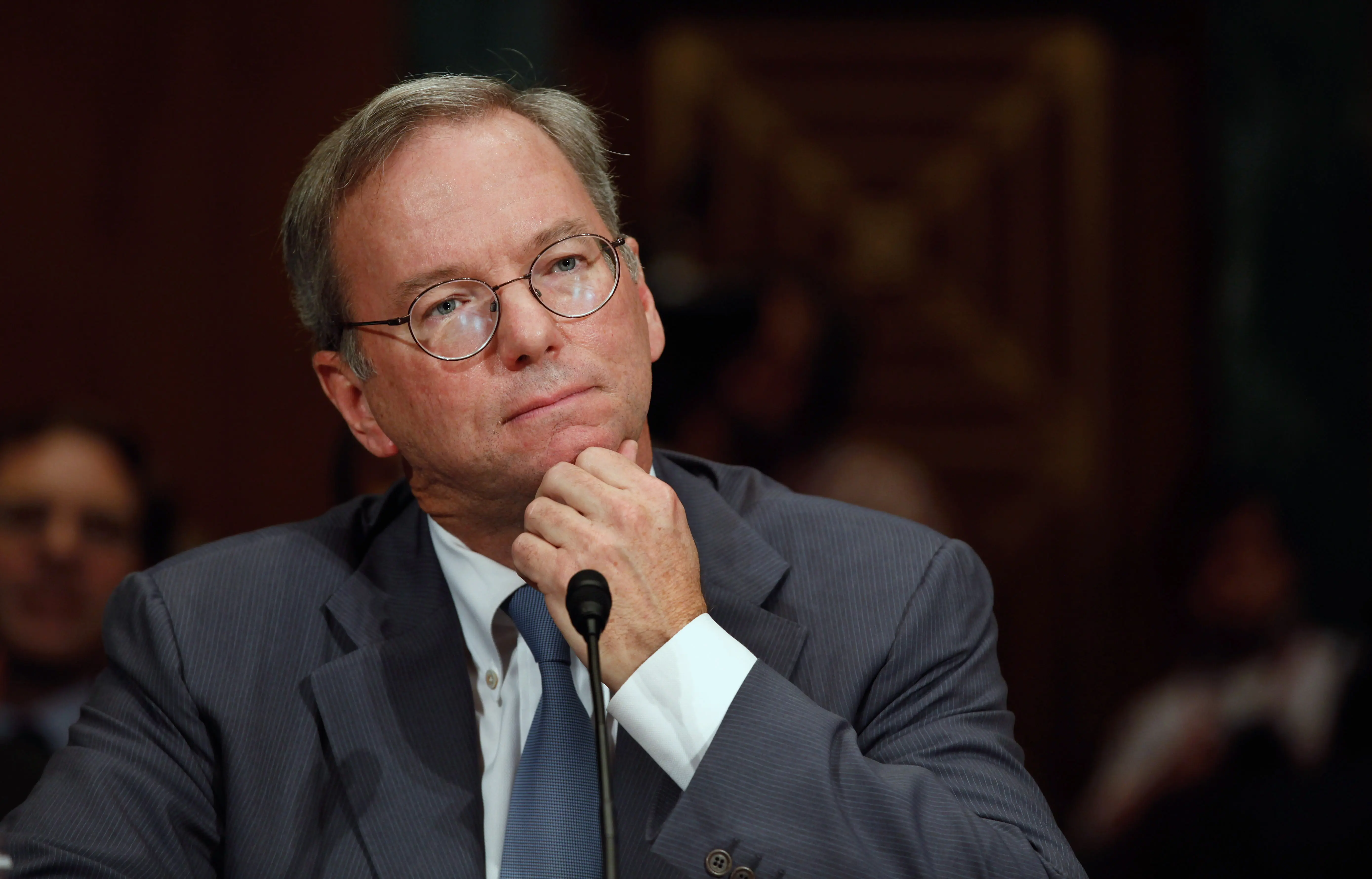
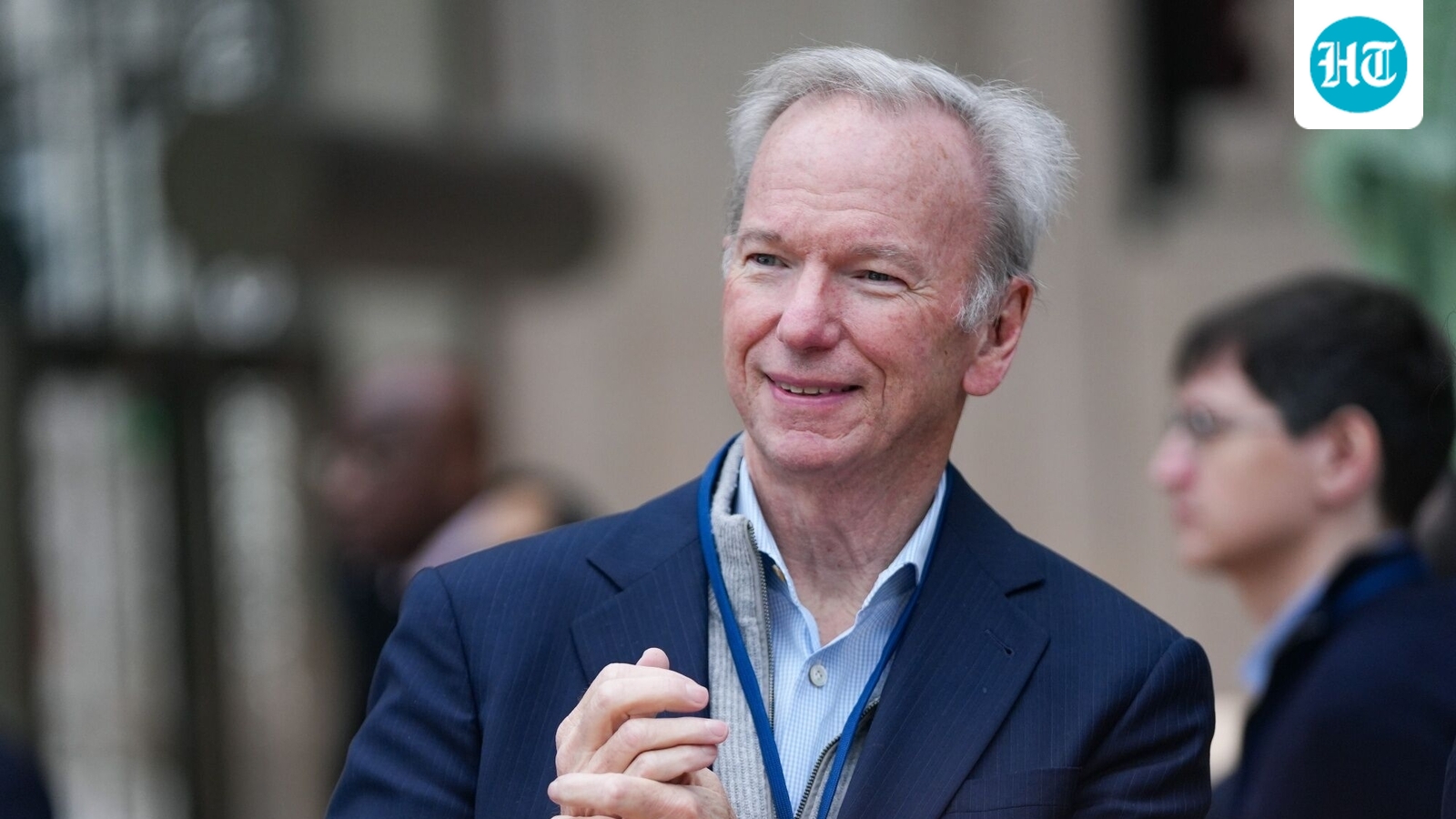
The news coverage of Eric Schmidt's high-profile appearance at the World Economic Forum in Davos (January 2026) alongside German model and economist Gloria-Sophie Burkandt reveals critical insights into luxury consumer behavior and celebrity-driven market trends that directly impact cross-border e-commerce sellers. While the articles focus on personal celebrity gossip, the underlying context—a billionaire tech executive ($54.6B net worth) networking at an elite global economic summit—signals significant opportunities in the luxury fashion, premium accessories, and high-end lifestyle goods categories that cater to affluent, internationally-mobile consumers.
Celebrity-Driven Luxury Market Dynamics: The Davos setting is crucial for e-commerce sellers. The World Economic Forum attracts 2,700+ global leaders, entrepreneurs, and investors with combined wealth exceeding $500B. This concentration of high-net-worth individuals (HNWIs) creates measurable demand spikes for luxury goods, premium fashion, and exclusive accessories. Burkandt's background as a model appearing in Vogue Turkey and her economist credentials highlight the intersection of fashion and intellectual capital—a demographic that drives premium product sales on platforms like Amazon Luxury, Farfetch, and specialized Shopify stores. Sellers targeting this segment can expect 15-25% higher average order values (AOVs) compared to mass-market categories.
German Fashion Market Opportunity: Burkandt's connection to Bavaria (daughter of Minister-President Markus Söder) and her multi-location lifestyle (New York, Los Angeles, Germany) reflects the German luxury goods market's growing influence. Germany's fashion and apparel sector generates €95B annually, with cross-border e-commerce representing 35-40% of sales. The visibility of German models and economists in international forums signals rising demand for German-designed premium products, sustainable fashion, and luxury accessories in US and Asian markets. Sellers sourcing from German manufacturers or selling German-branded goods can capitalize on this prestige positioning.
Influencer Economics & Product Categories: The media coverage itself demonstrates the power of celebrity visibility in driving consumer interest. Fashion items worn by high-profile figures at Davos typically see 20-40% sales increases within 2-4 weeks on e-commerce platforms. Sellers should monitor: luxury handbags, designer apparel, premium jewelry, high-end watches, and exclusive accessories associated with Davos attendees. The "Davos effect" creates seasonal selling windows (January-February) where premium goods see elevated demand from aspirational buyers seeking to emulate HNWI fashion choices.
Cross-Border Logistics for Luxury Goods: The international nature of Davos attendees (Germany, US, global) underscores the importance of reliable cross-border fulfillment for luxury items. High-value goods require specialized packaging, insurance, and expedited shipping—services that command 8-12% premium fees. Sellers should evaluate 3PL providers with expertise in luxury goods handling and customs documentation for EU-US-Asia trade routes.
問題 8
What are the logistics and compliance requirements for selling luxury goods cross-border?
Luxury goods require specialized handling, including premium packaging, insurance, and expedited shipping—services that command 8-12% premium fees on standard fulfillment costs. For EU-US trade, sellers must comply with VAT registration (if selling to EU customers), proper tariff classification (HS codes 6204-6299 for apparel, 7113-7117 for jewelry), and customs documentation. High-value items (>$2,500) may trigger additional customs scrutiny. Consider using 3PL providers with luxury goods expertise and insurance coverage. Budget $15-30 per unit for premium fulfillment versus $5-10 for standard goods.
How should sellers optimize product listings for luxury fashion to attract HNWI buyers?
HNWI buyers (net worth >$30M) prioritize exclusivity, craftsmanship, and brand heritage. Optimize listings with keywords like 'luxury,' 'designer,' 'premium,' 'exclusive,' and 'limited edition.' Include detailed product descriptions emphasizing materials (Italian leather, Swiss-made, etc.), artisan craftsmanship, and heritage. Use high-quality photography (minimum 8-10 images) showing product details, packaging, and lifestyle context. Highlight certifications (authenticity, sustainability) and offer white-glove customer service (concierge support, personalized recommendations). Price competitively but avoid heavy discounting—luxury buyers associate lower prices with lower quality. Target platforms: Amazon Luxury, Farfetch, Shopify Premium, and niche luxury marketplaces.