

Hormuz Tanker Attacks Raise Freight Risk | Seller Action Plan 2026
- Gulf freight, war-risk insurance and surcharges may raise landed costs for Middle East and Asia-Europe sellers
Overview
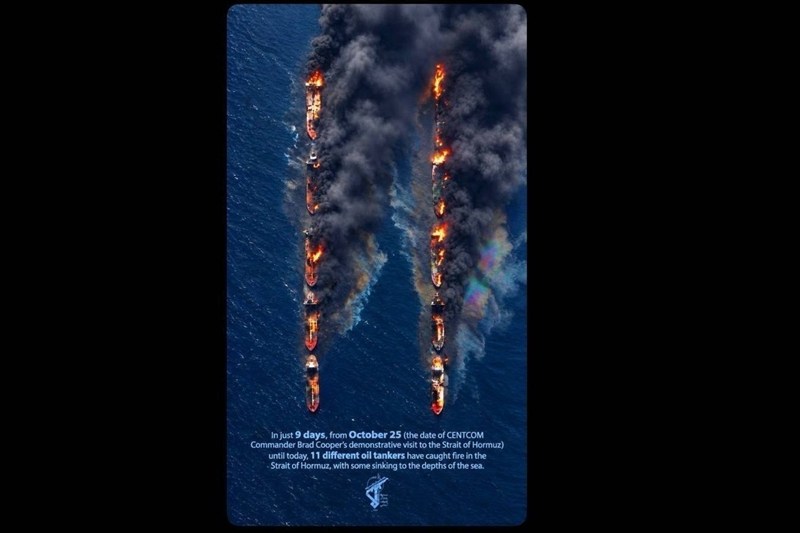
Strait of Hormuz disruption is the core driver behind this topic, with Iran's intermittent strikes on commercial vessels and a US blockade of Iranian oil exports locking both sides in an economic standoff as reported by Bloomberg on October 31, 2026. An IRGC Navy post relayed by Tasnim News Agency on November 2, 2026 claims 11 oil tankers caught fire in nine days starting October 25, though this figure is unverified by shipping authorities or insurers. For cross-border sellers, the operational signal is clear: Gulf-route freight, war-risk insurance and fuel surcharges face upward pressure, and delivery reliability on Asia-Middle East and Asia-Europe lanes is at risk.
The freight cost channel is the most direct exposure for sellers. Disruption in the strait can raise bunker fuel costs and carrier surcharges, and insurers typically reprice war-risk premiums quickly after incidents involving mines or vessel fires. Industry data shows that Gulf-linked ocean lanes often see rate volatility of 10-30% during comparable escalation periods, though this report does not confirm current rate changes. Sellers consolidating through Jebel Ali or moving goods via Asia-Middle East ocean services should expect higher landed costs and longer transit windows. Air freight from Asia to Gulf hubs may tighten as ocean capacity is constrained, so sellers should compare $/kg quotes across both modes before committing to volume.
Inventory and routing decisions should shift toward buffer stock and contract protection. The operational impact on Middle East fulfillment is likely to show up as stock-out risk rather than demand loss, since the sources do not establish a change in consumer e-commerce demand. Sellers serving GCC markets through third-party warehouses should review force majeure and surcharge clauses in carrier and 3PL agreements now. Sellers with any exposure to Iran should also verify sanctions and export compliance under US rules, since the blockade can restrict payment flows and permitted trade lanes. Alternative routings via Red Sea corridors or overland options from Europe or Central Asia may carry their own cost and time trade-offs and should be modeled against total landed cost.
The situation remains unresolved, so planning should rest on carrier advisories rather than headlines. Iran has stated it will not reopen the strait unless the US ends the blockade, while Washington maintains the passage is open, which means operating status is disputed. Historical Gulf escalations have shown that freight normalization often lags political de-escalation by several weeks. Sellers should treat the IRGC casualty and vessel figures as unverified until corroborated by flag-state reports or international maritime bodies.
Questions 4
How much could Hormuz disruption increase landed costs for Asia-Middle East shipments?
The source reports do not quantify freight or insurance increases, so any percentage figure would be an estimate. Industry data shows Gulf-linked ocean lanes often see rate volatility of roughly 10-30% during comparable escalation periods. Sellers should calculate landed cost per unit including freight, war-risk surcharge, bunker surcharge and duties, then set a contingency buffer of 10-15% in pricing models until carrier advisories stabilize.
Should sellers shipping to GCC markets change ocean routing because of Hormuz tanker attacks?
Sellers shipping to GCC markets should model alternative routings and total landed cost before changing lanes, since the sources do not confirm specific freight rate changes. The news reports that Iran's strikes and the US blockade have disrupted the strait, and insurers often reprice war-risk premiums after incidents involving mines or vessel fires. Sellers should request current surcharge quotes from carriers and compare them against Red Sea or overland alternatives. Verify conditions with carriers rather than relying on a single report before committing volume.