

Apple iPhone Duo Supply Shortage | Cross-Border Seller Impact 2026
- Supply-constrained iPhone Duo with January 2027 delivery estimates creates accessory and gray-market risk for cross-border sellers
Overview
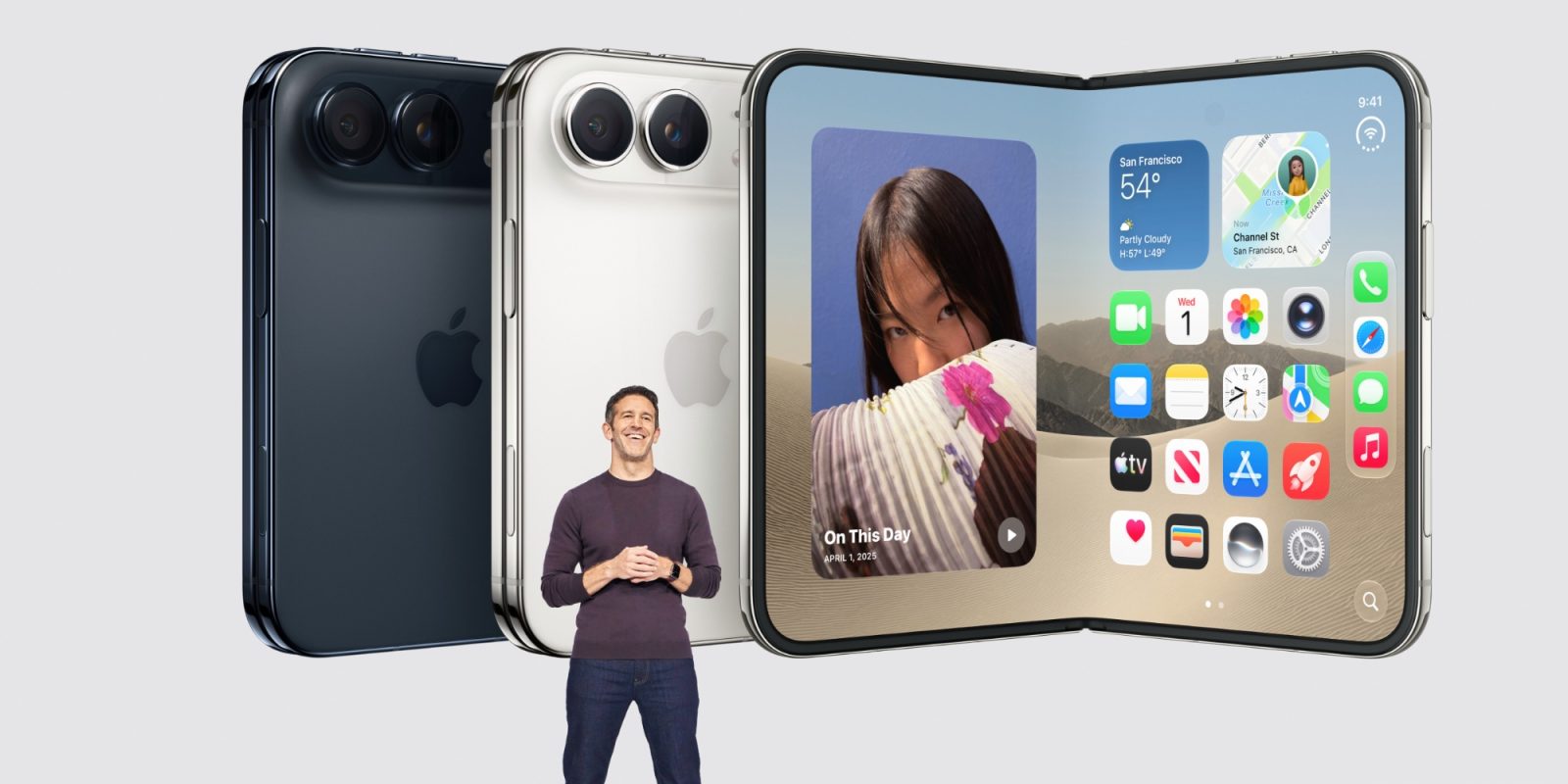
Apple CEO John Ternus said on November 2, 2026 that the iPhone Duo is supply constrained with no date for balancing supply and demand, and online orders placed that day carry January 2027 delivery estimates. The shortage is compounded by a hinge-related inner display issue that Apple has acknowledged, with replacements offered through AppleCare. For cross-border sellers of Apple hardware accessories, cases, screen protection, and repair services, the scarcity creates both a demand window and a authenticity and pricing risk in gray-market channels. The news reports that Apple's September-quarter revenue reached $114.5 billion, up 12 percent year over year, but Duo sales are excluded from those results, so the scale of the constraint remains undisclosed.
The operational impact centers on demand timing. The news reports that Duo owners and buyers facing January 2027 delivery windows are likely to seek protective solutions early, which favors listings for iPhone accessories, rugged cases, hinge-protection products, and screen-related items. Industry data shows that foldable device accessories often launch with a lag of several weeks after the device itself, so sellers who stock hinge-compatible SKUs now can capture pre-release search intent. Sellers should prioritize compatibility verification against official Apple specifications before listing, as the news reports that the inner display issue is concentrated along the hinge and details remain anecdotal.
Specifically for sellers, the gray-market pressure matters most. The news reports that limited official supply may push buyers toward third-party resellers on marketplaces, which raises counterfeit and pricing risk. Similar constrained launches historically produce 20-40 percent price premiums on unofficial channels, and platforms such as Amazon and eBay may tighten authenticity enforcement. The news also notes that replacement-unit flows could alter grey-market availability in regions where Apple has not expanded distribution, so sellers in those markets should track inventory origin carefully.
Looking at the broader pattern, the news reports that Apple's staggered regional rollouts and retail staff warnings about walk-in purchases indicate a managed scarcity approach. Sellers should treat supply forecasts as uncertain until Apple publishes restock guidance. Industry benchmarks suggest that cross-border accessory inventory tied to a single constrained launch can tie up capital for 60-90 days, so staged replenishment is safer than bulk commitment.
Questions 4
How does gray-market risk affect sellers of Apple hardware on marketplaces?
Limited official supply can push buyers toward third-party listings, which raises authenticity and pricing risk for sellers. The news reports that Apple has not disclosed affected unit counts and that display issues are reported anecdotally, so buyers may question condition on unofficial units. Sellers on eBay or Amazon should document product origin, avoid listing units that could be mistaken for replacements, and monitor platform authenticity policies. Similar constrained launches have historically produced 20-40 percent price premiums on unofficial channels, which can attract enforcement scrutiny.
Should I stock iPhone Duo accessories now given the Apple supply shortage?
Stock hinge-compatible cases and screen protectors in limited batches rather than full commitments. The news reports that Apple cannot predict when supply will balance and that online orders carry January 2027 delivery estimates, so demand for protective products may persist for months. Industry data shows that accessory demand for constrained launches often peaks 4-8 weeks after device availability, so a staged 30-45 day replenishment cycle reduces overstock risk. Verify each SKU against official Apple specifications before listing on Amazon Seller Central to avoid compatibility returns.